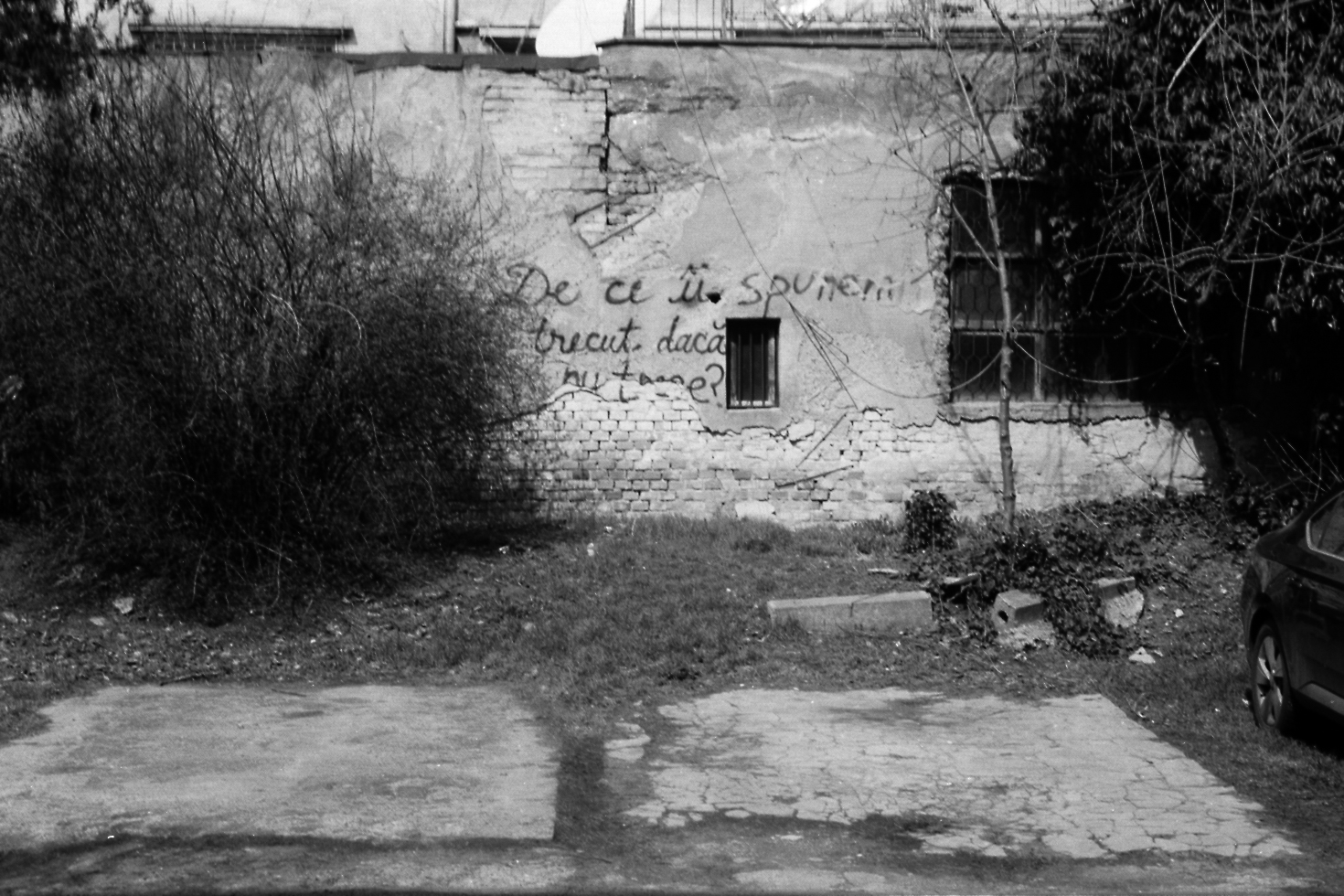
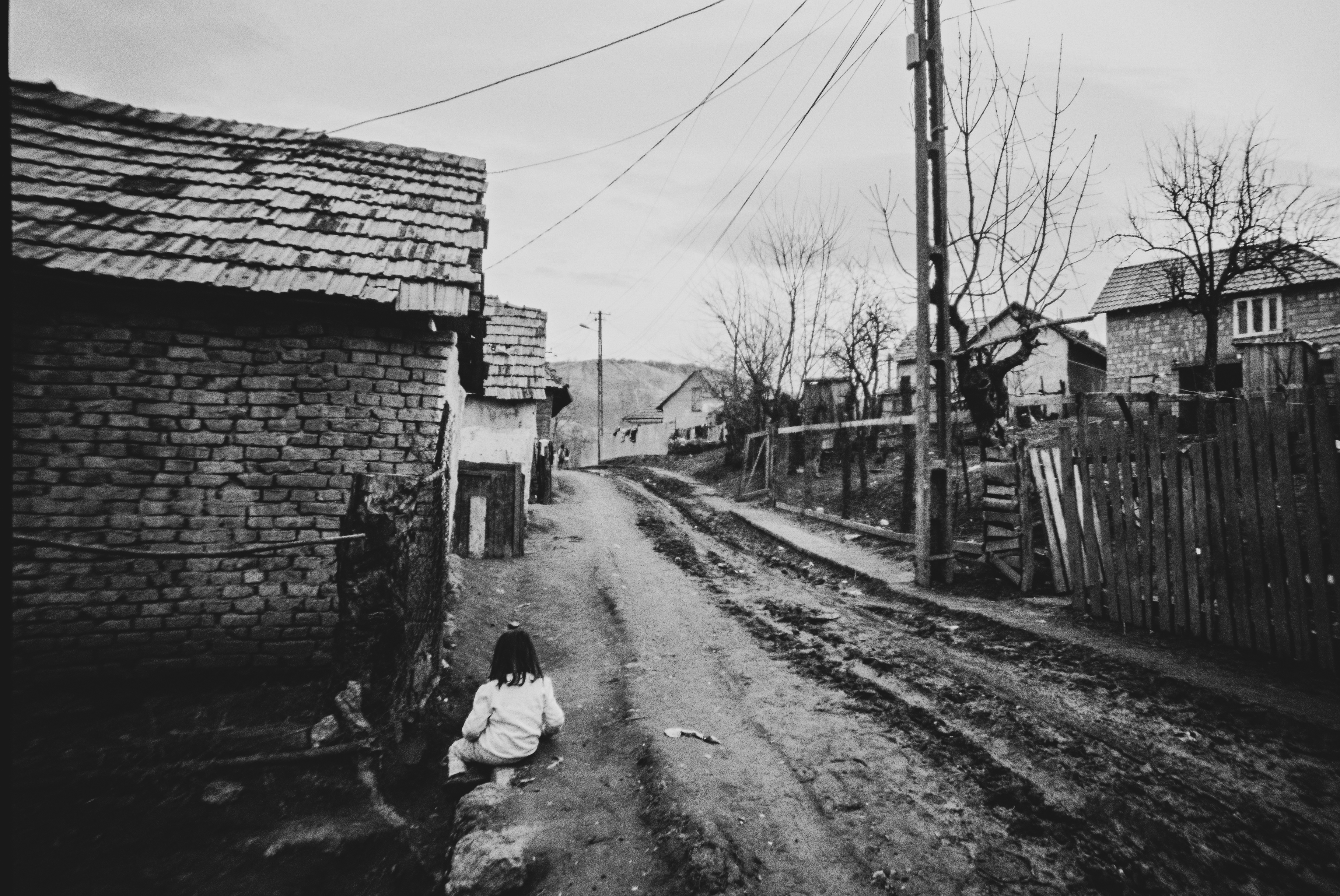
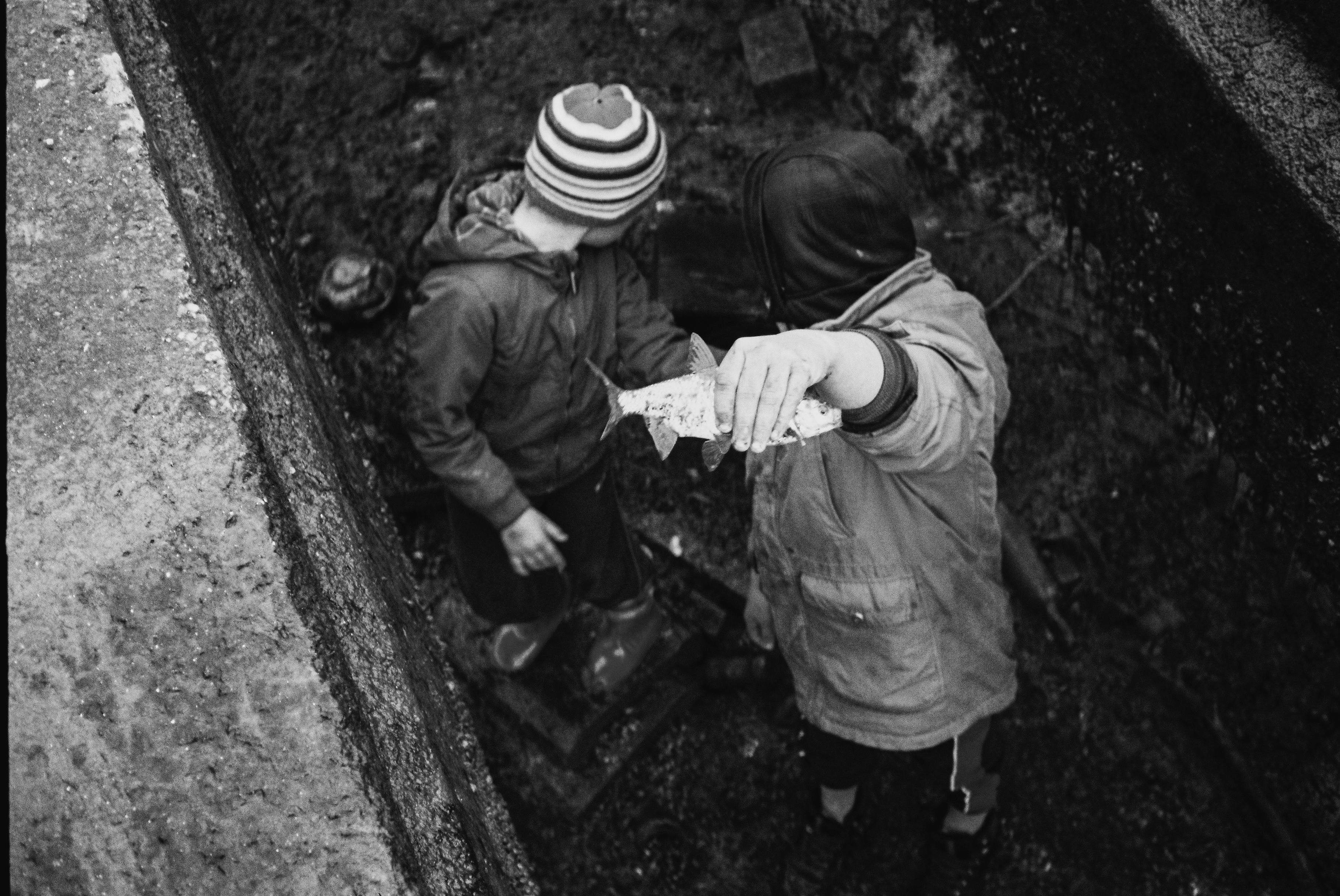
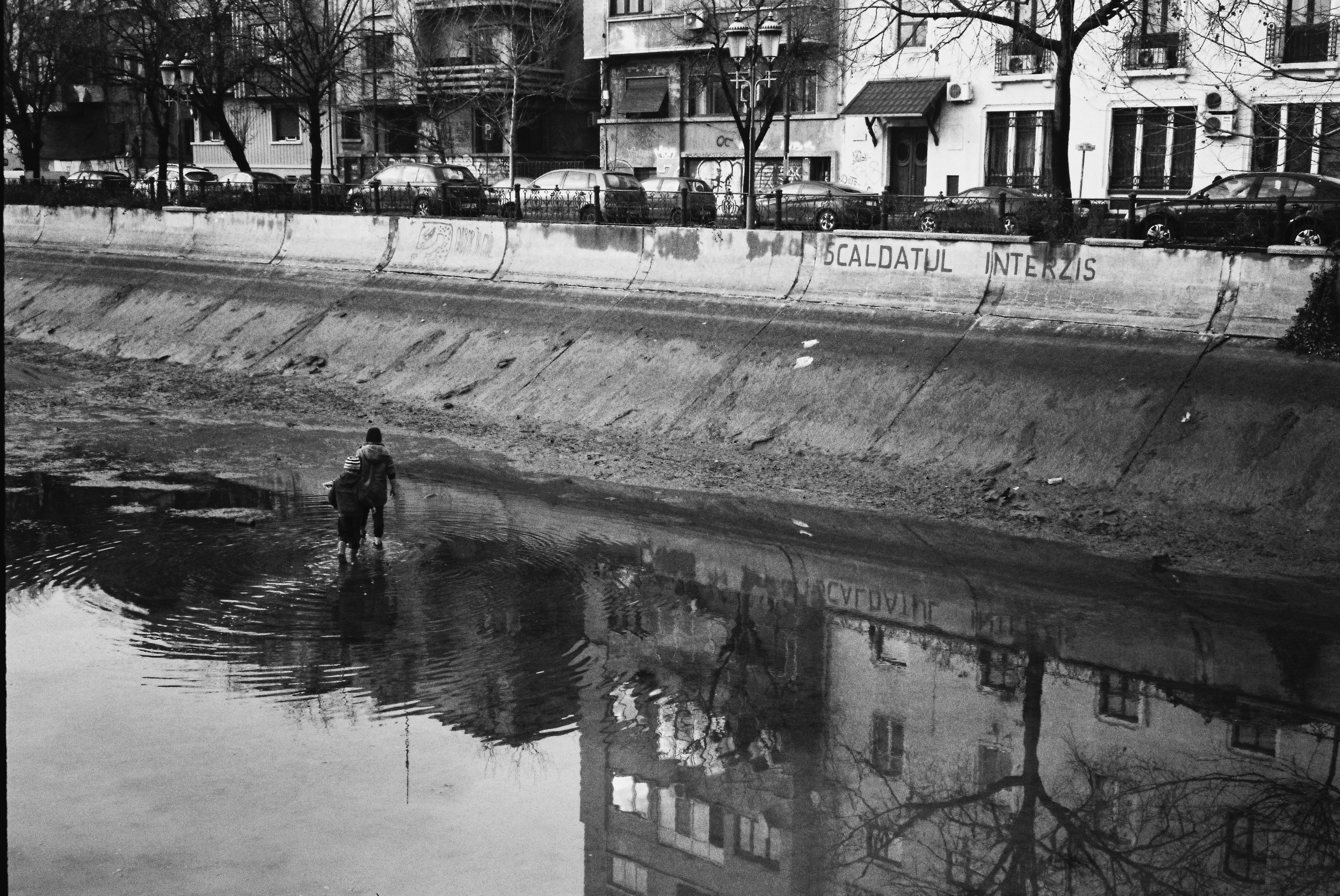
THE PAST THAT DOES NOT PASS
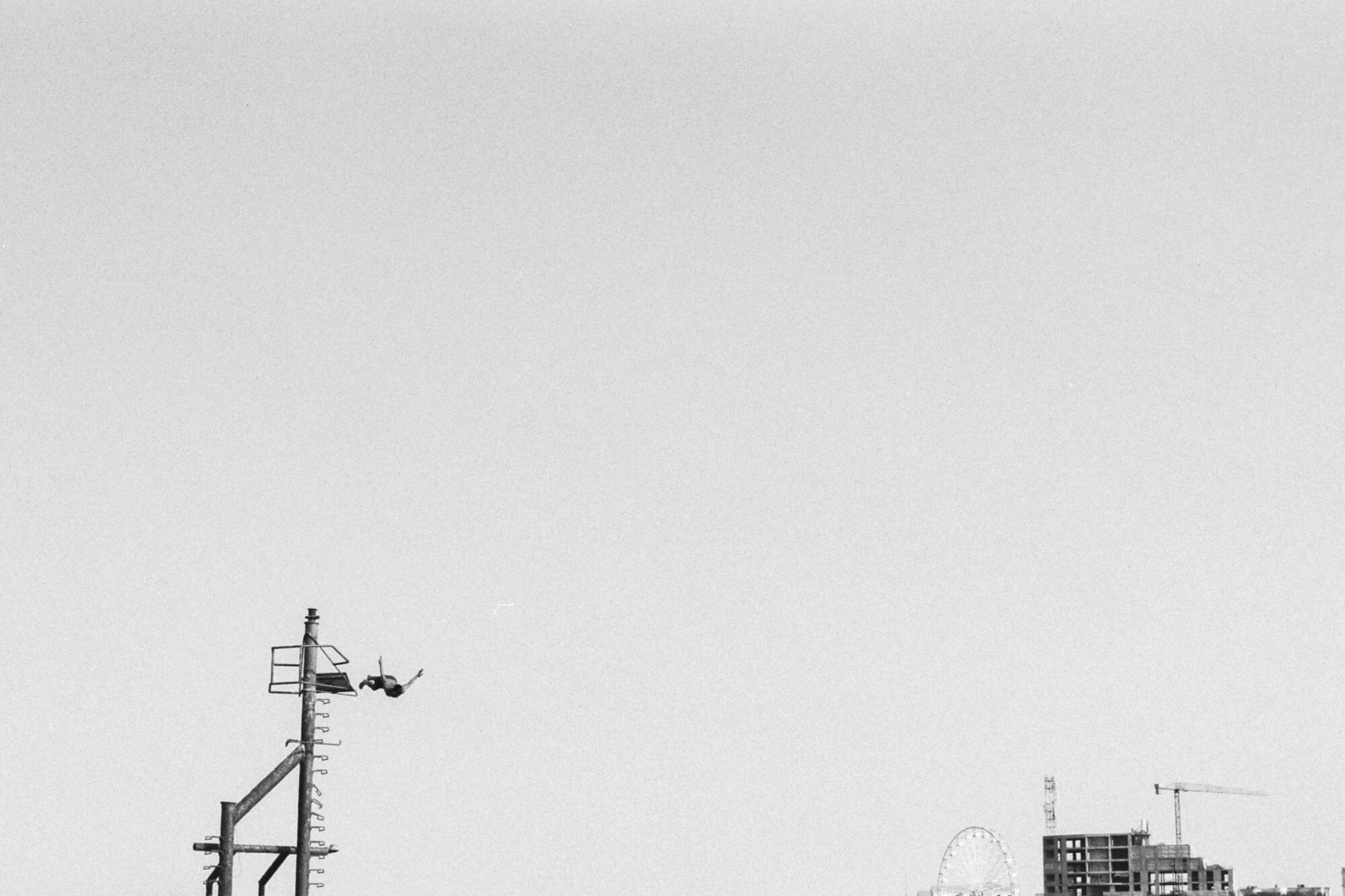
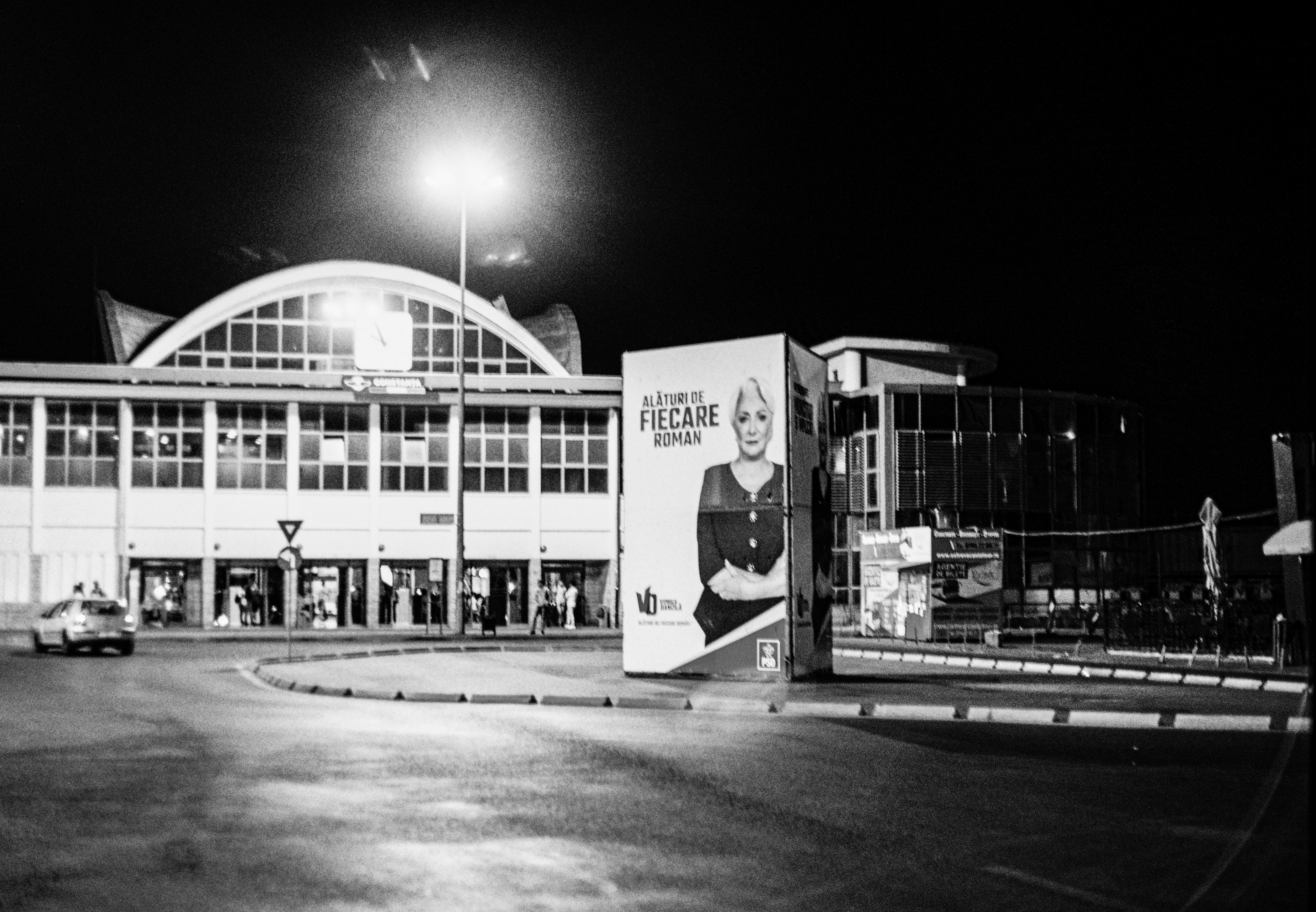
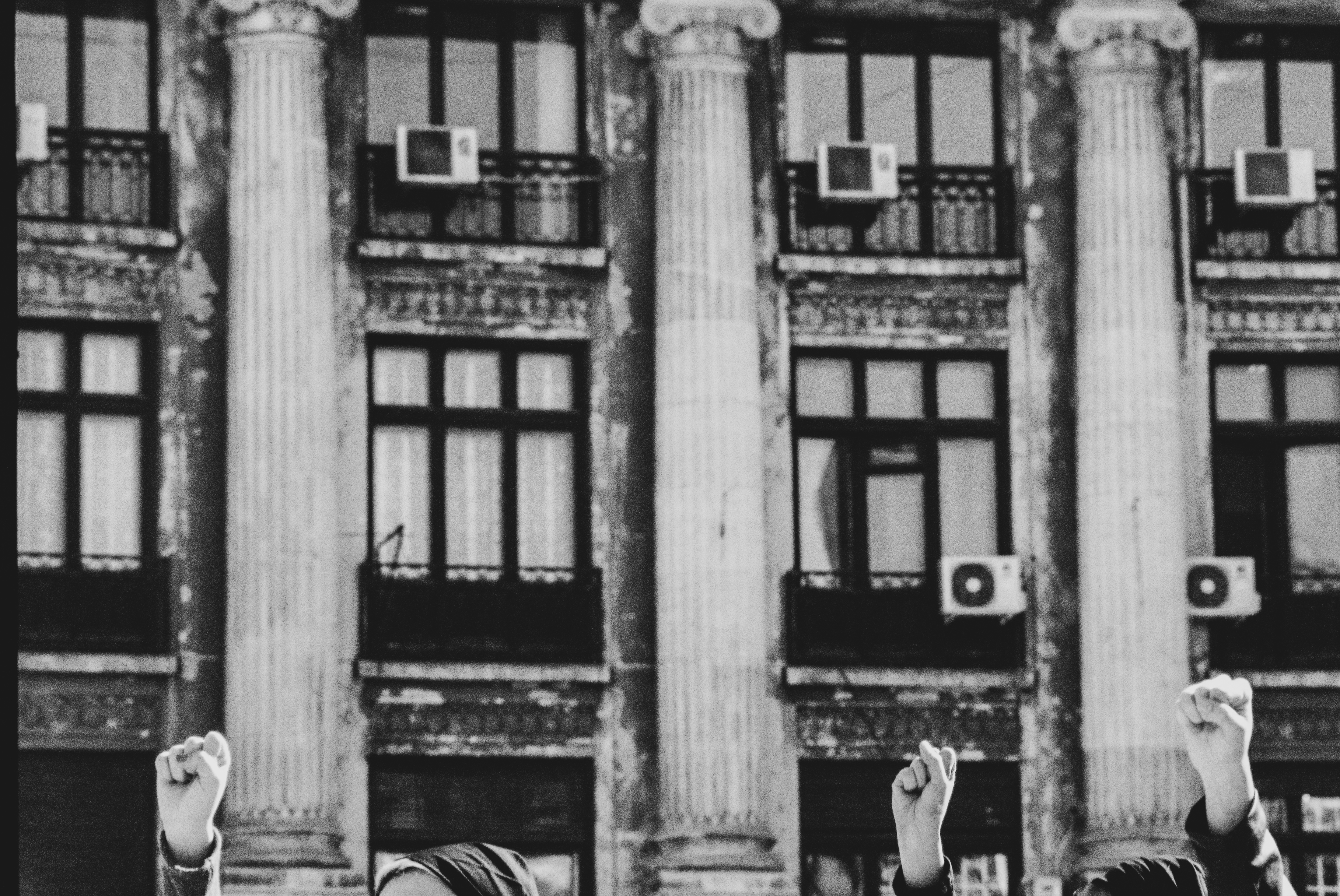
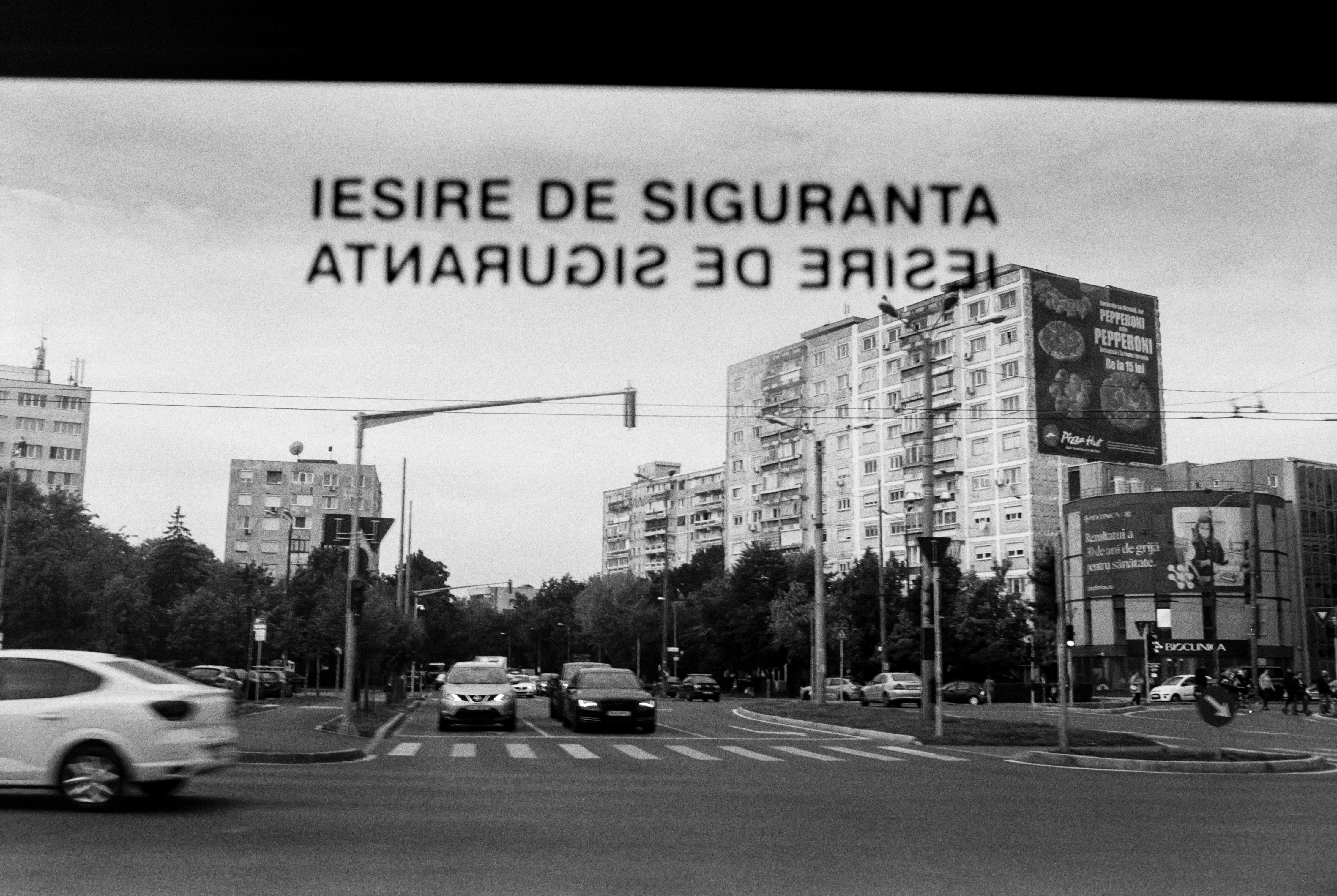
Romania reached a turning point during the 2004 parliamentary and presidential elections when the post-communist political elite, who had held power almost continuously since 1989, were defeated. Much of society was surprised by the incumbent president’s loss in the election, as he had led the country from 1992 to 1996 and from 2000 to 2004. His loss was seen as marking the start of a more optimistic period, characterized by the establishment of a democratic and pro-European government. This moment is considered a significant stage in Romania’s post-communist transition.
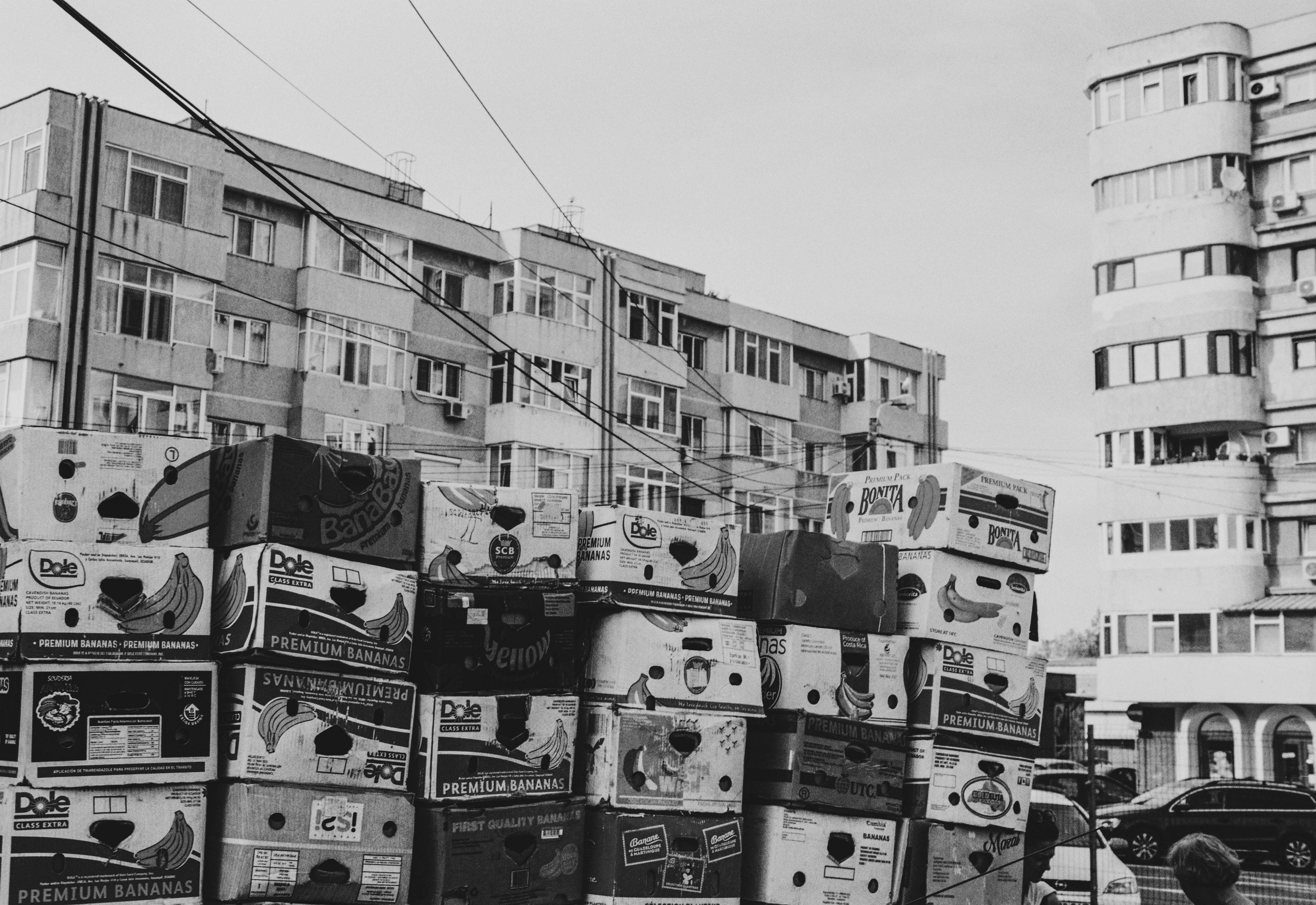
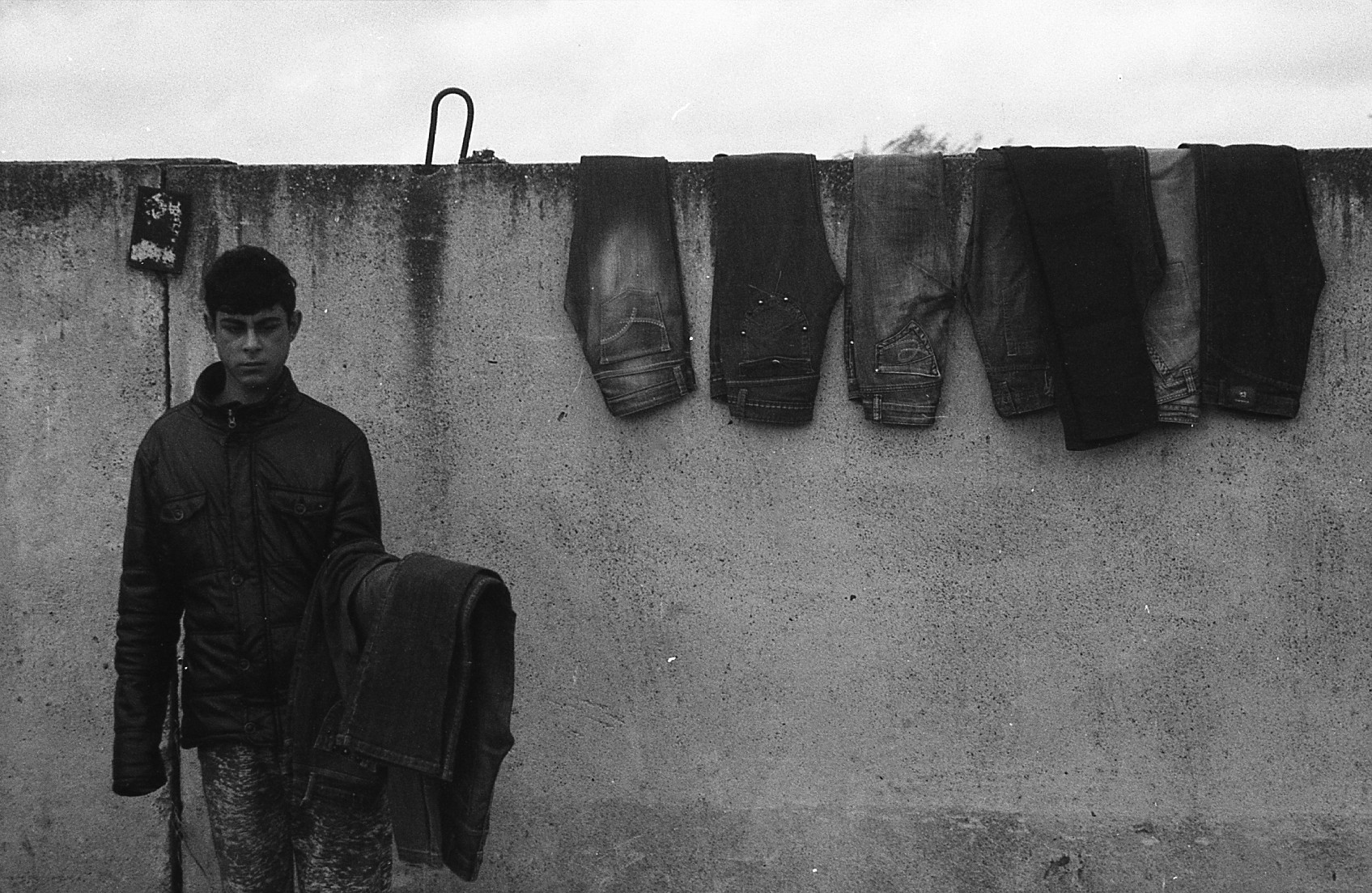
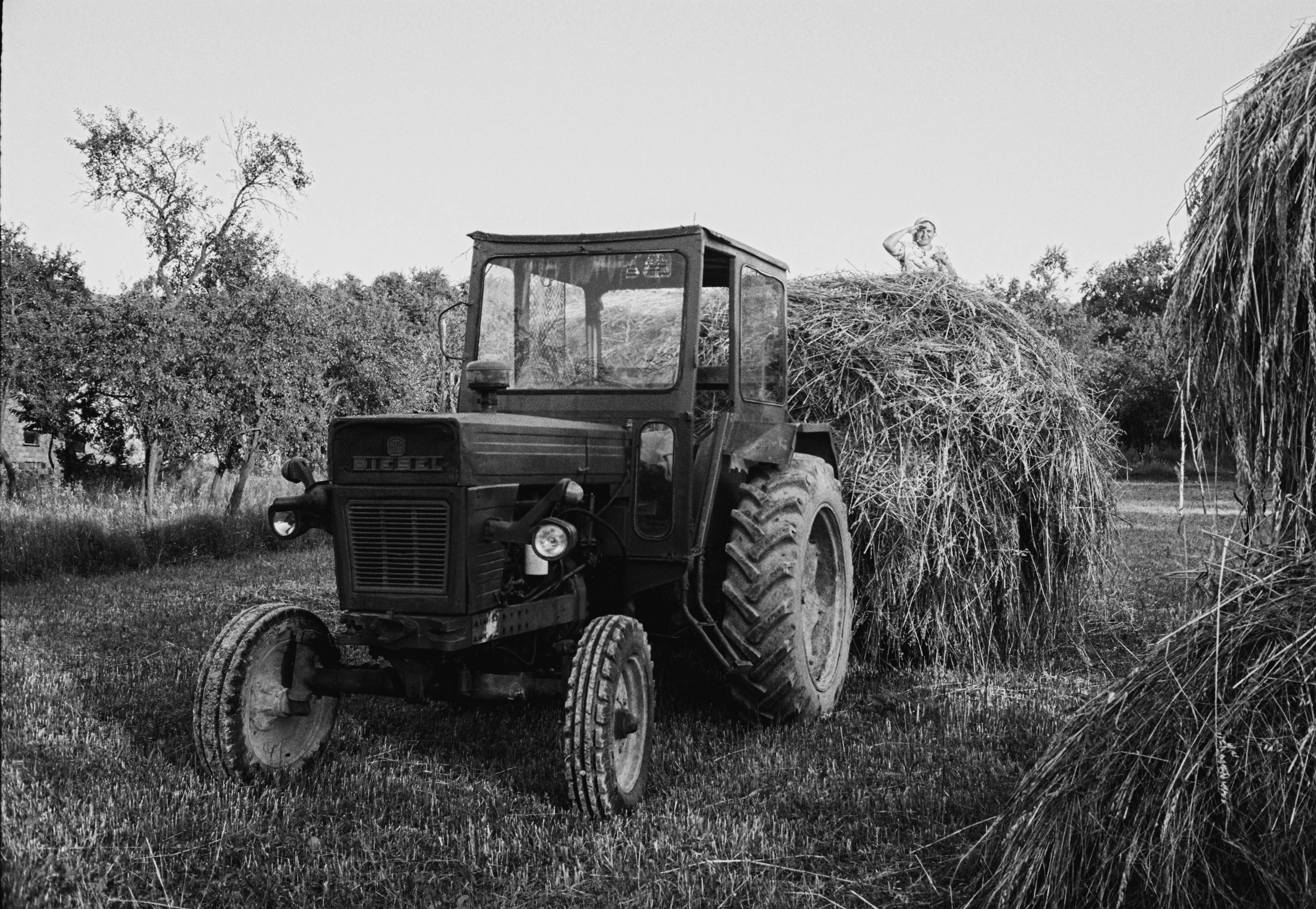
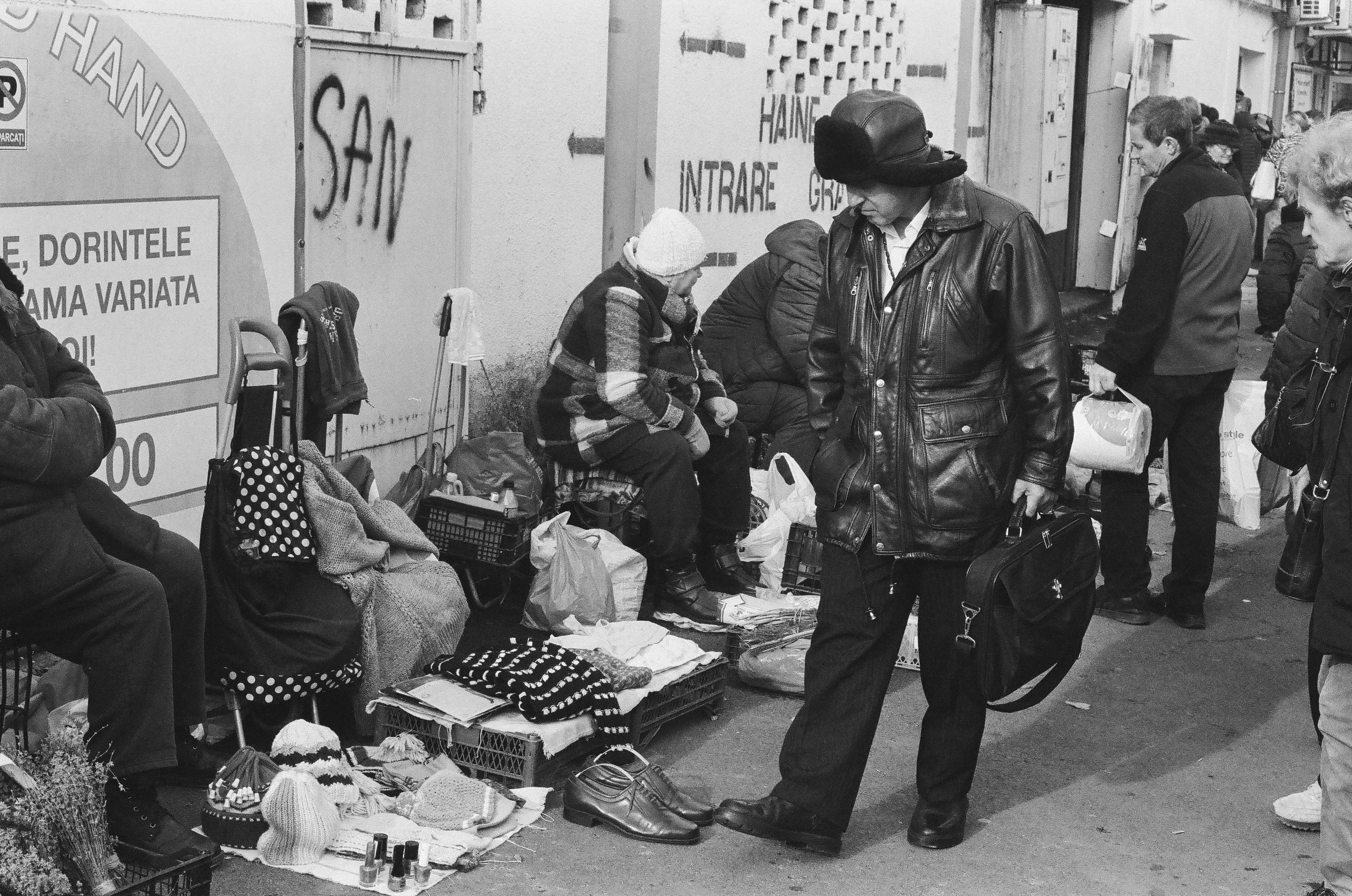
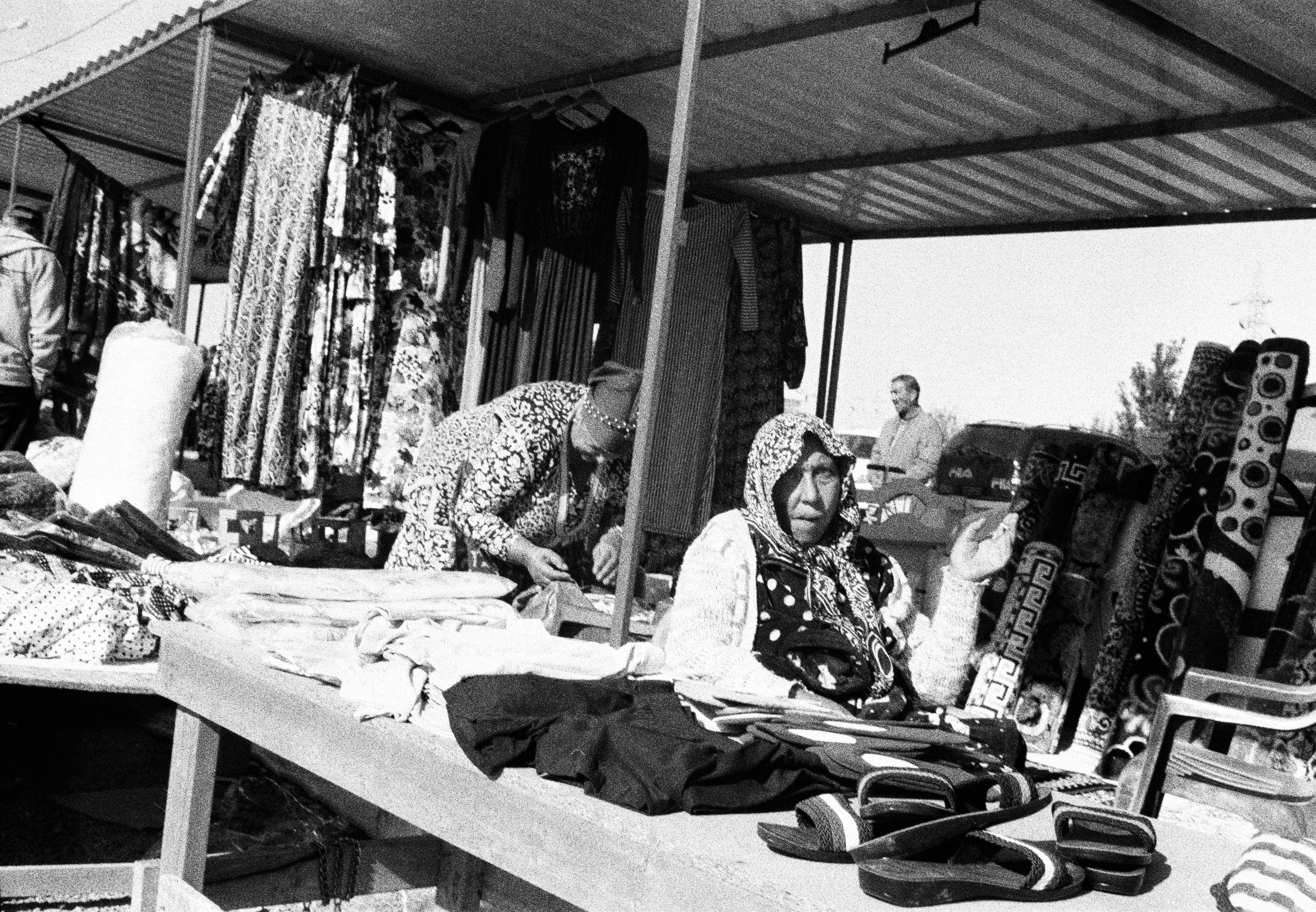
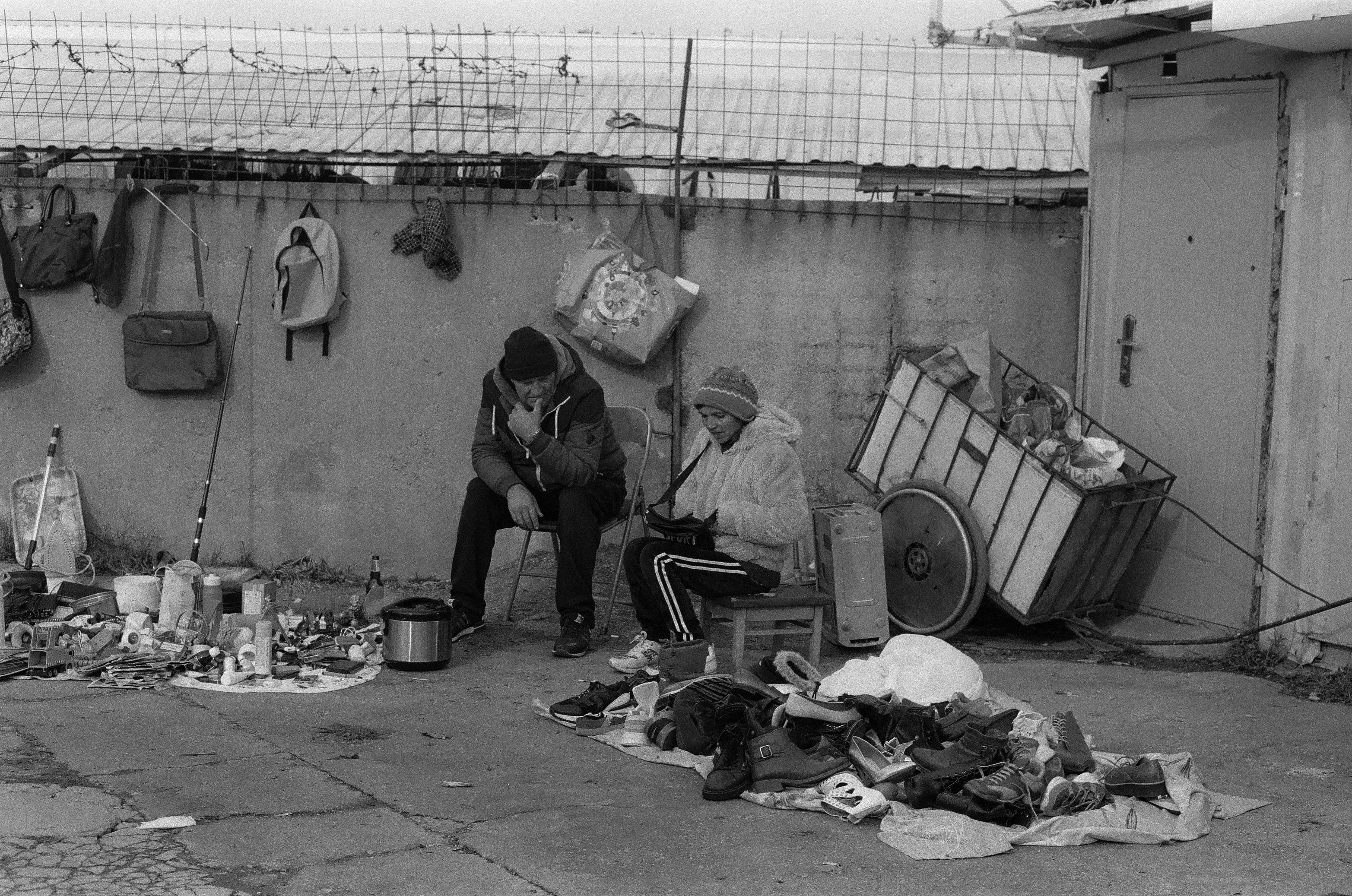
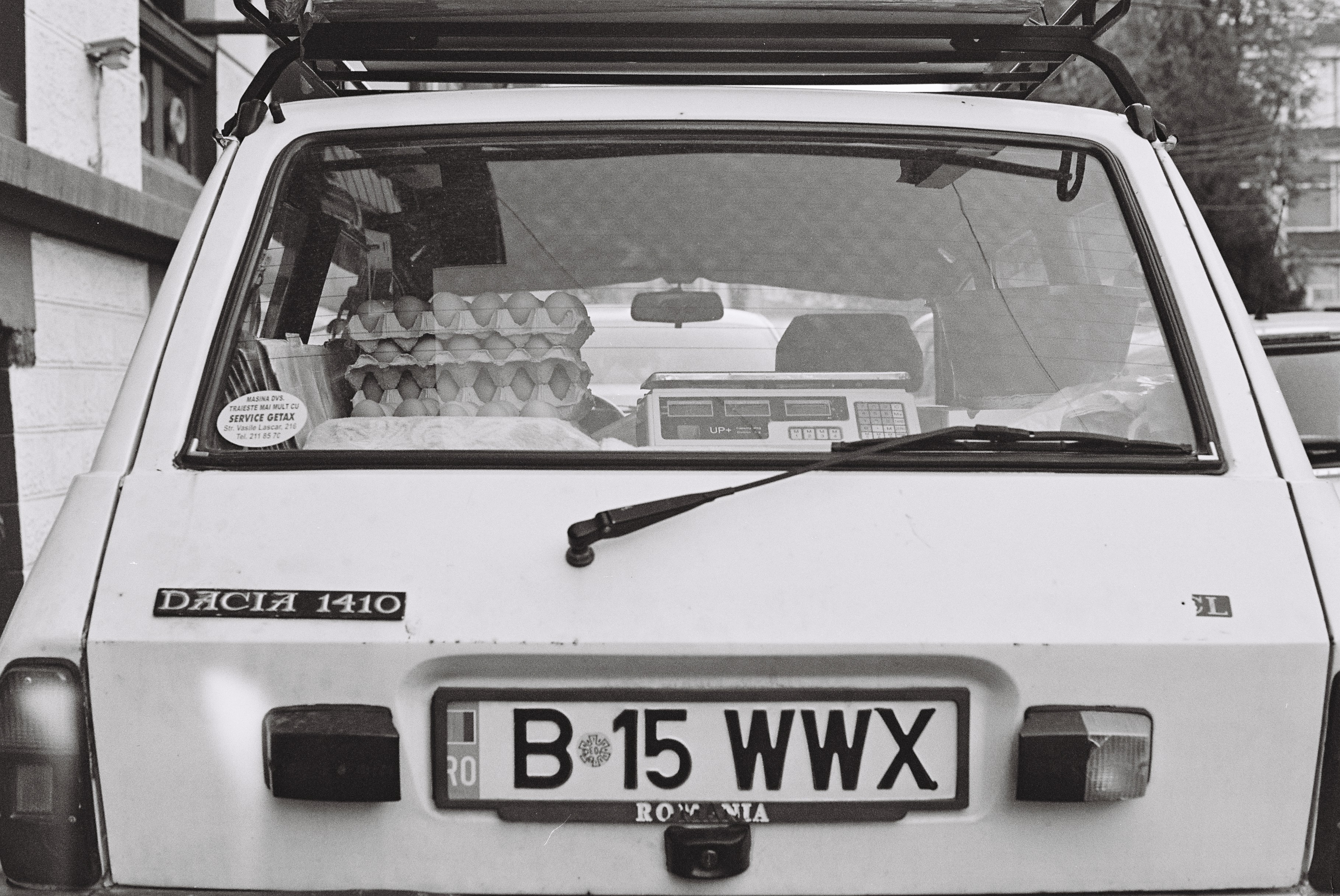
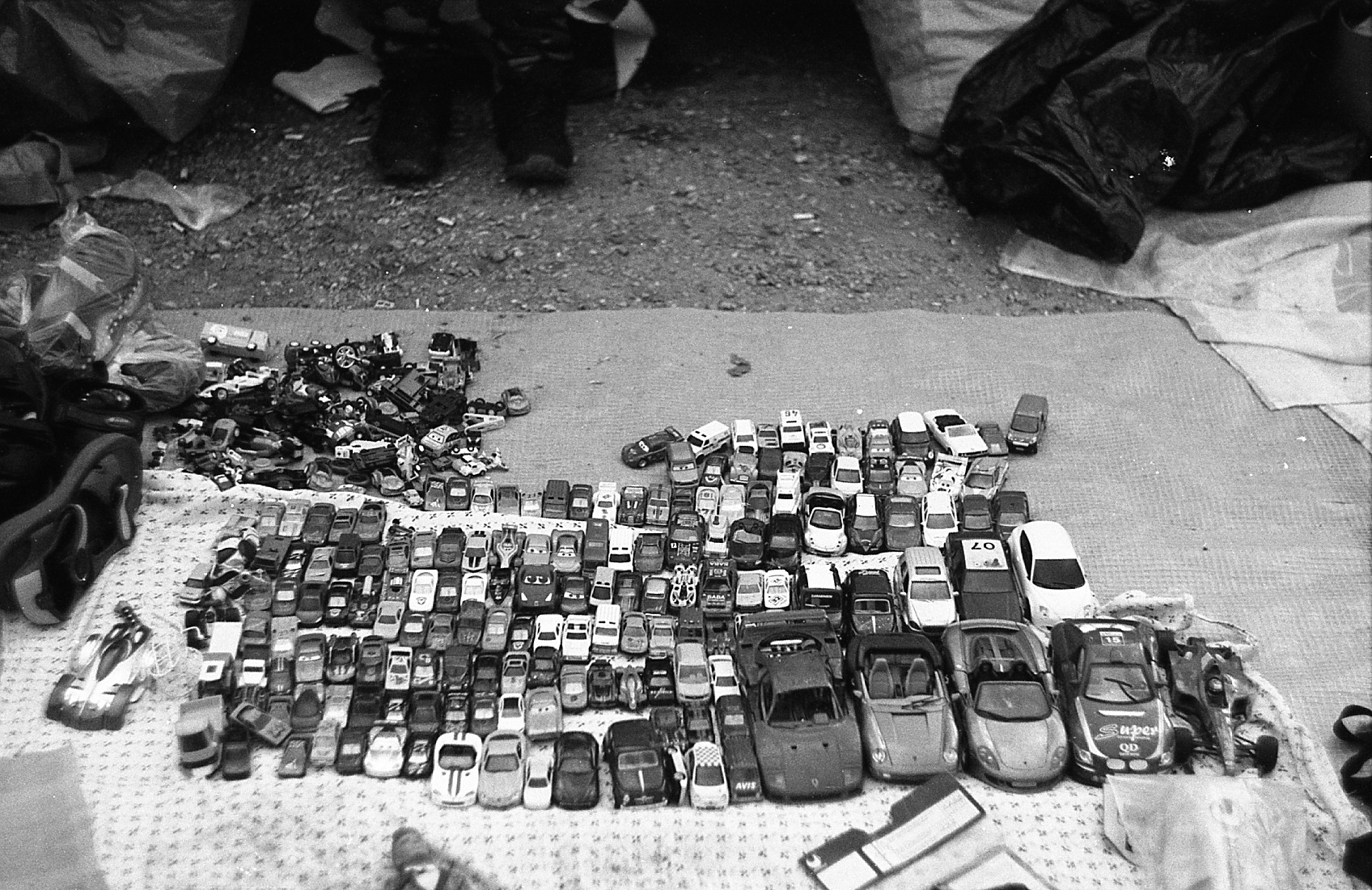
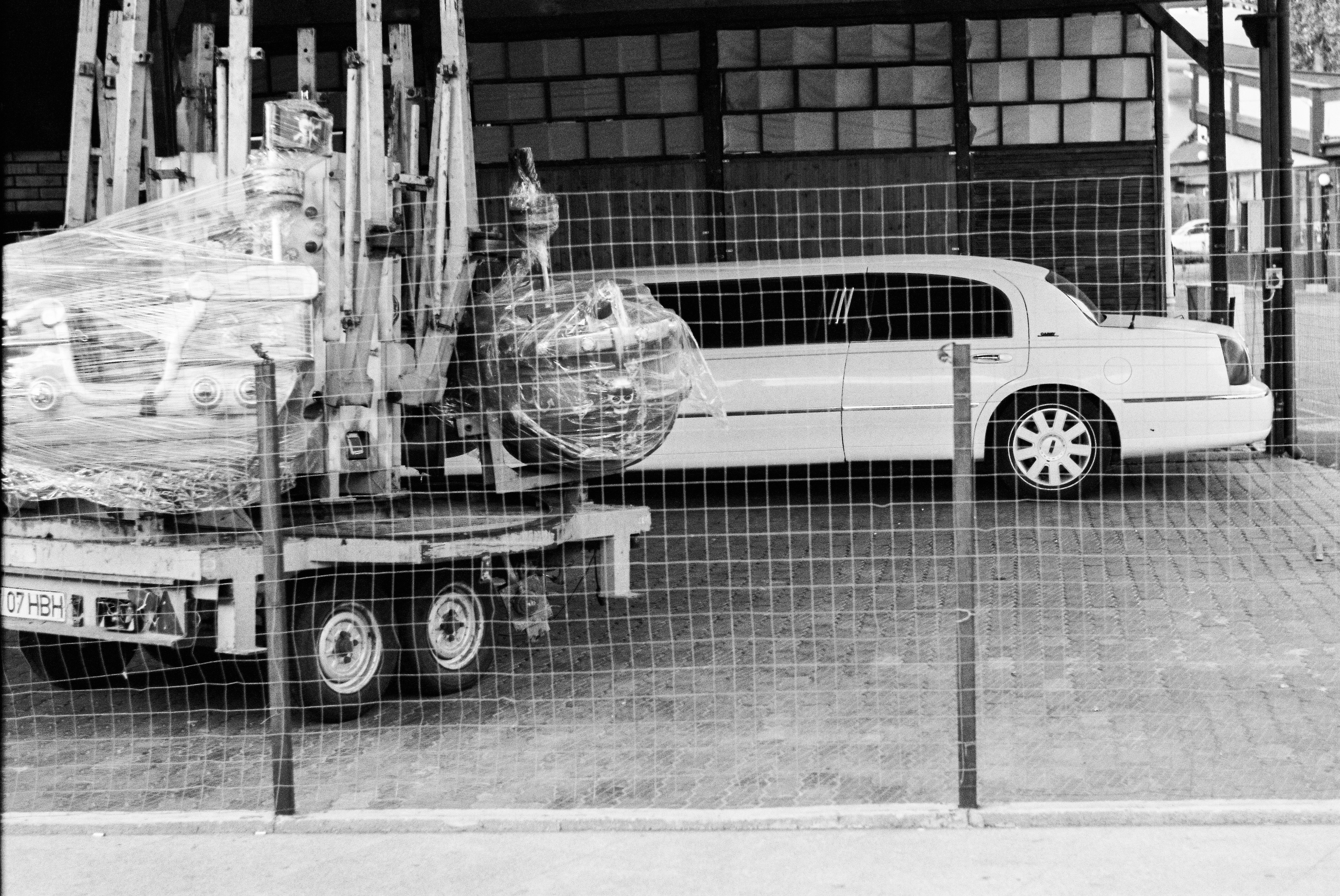
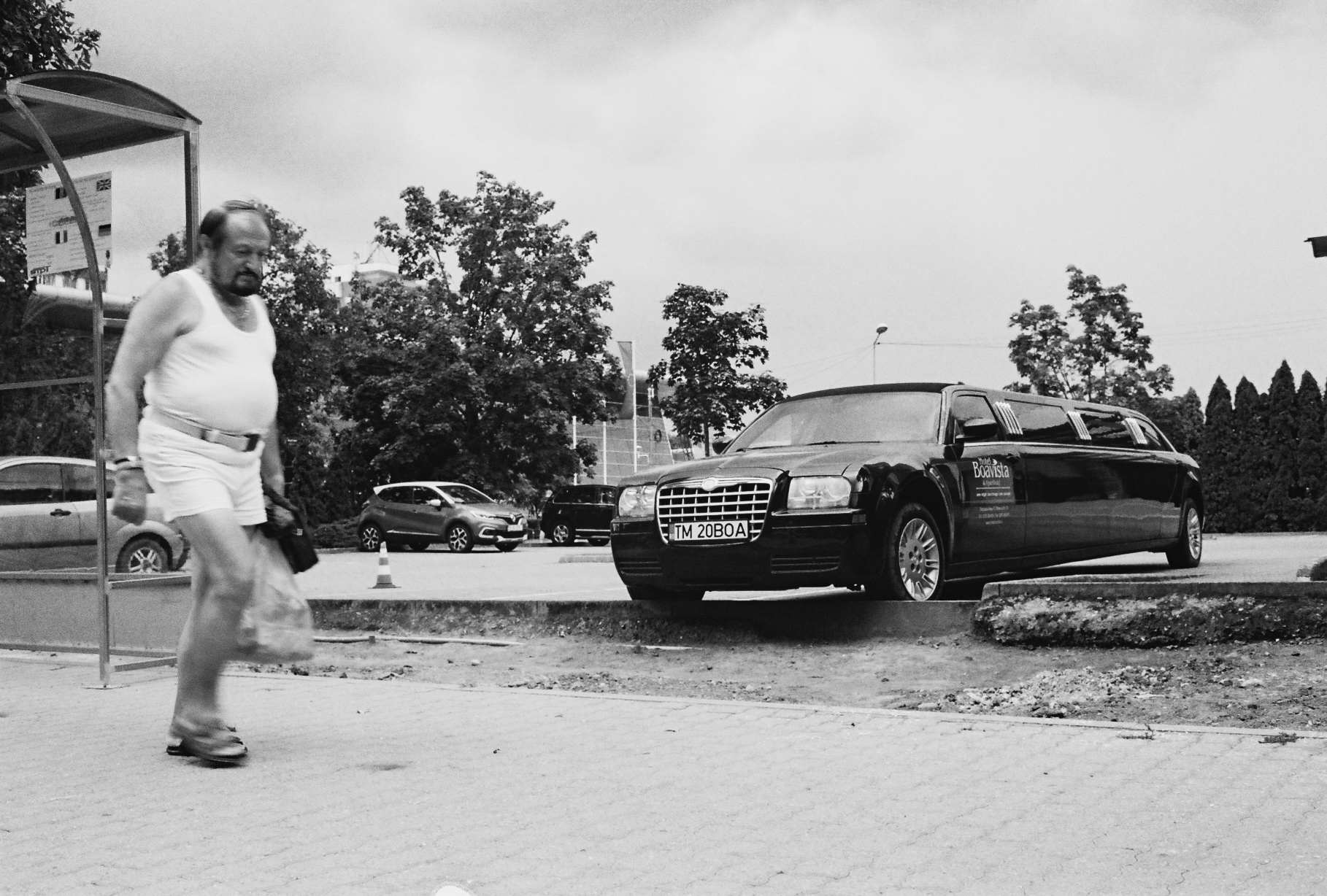
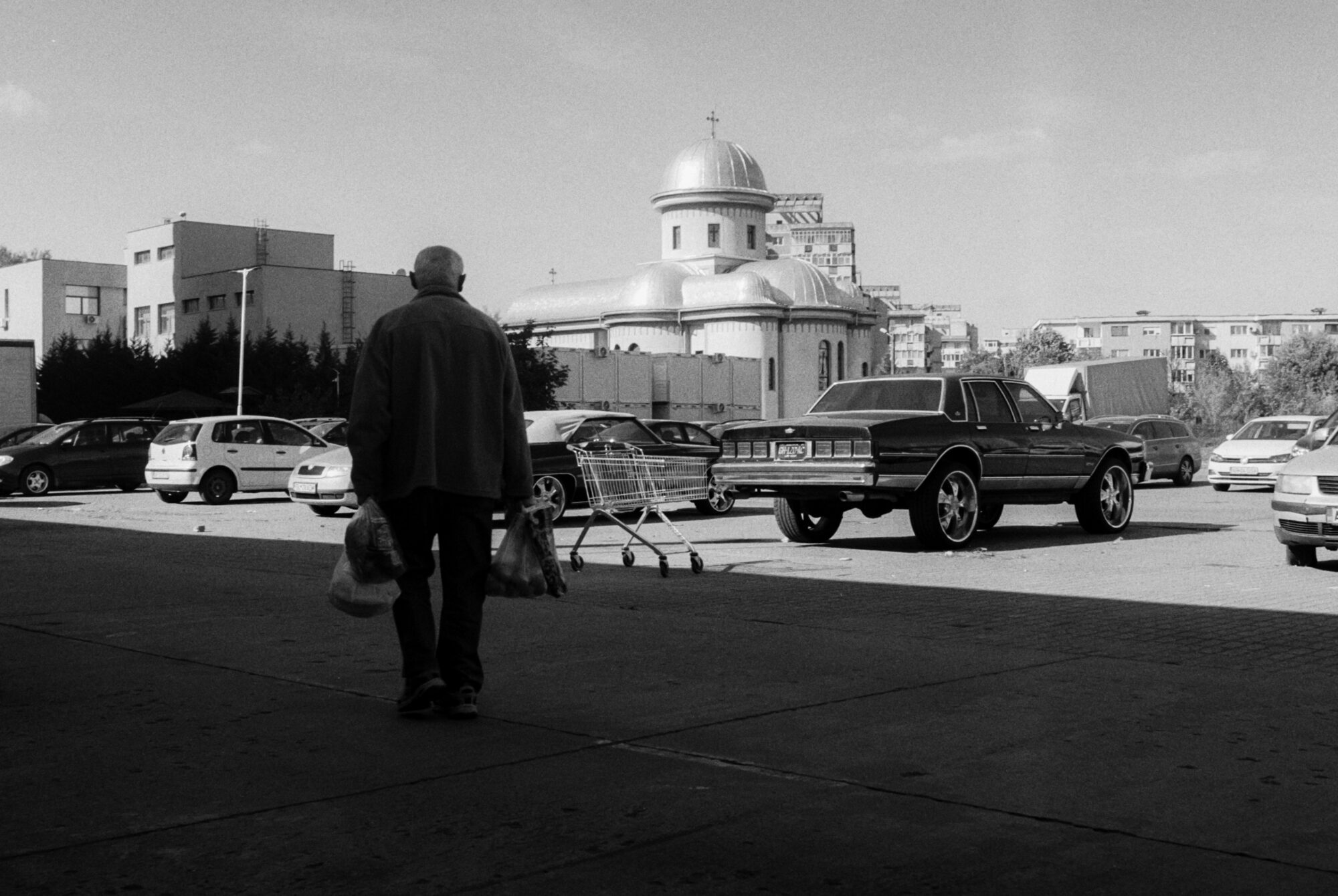
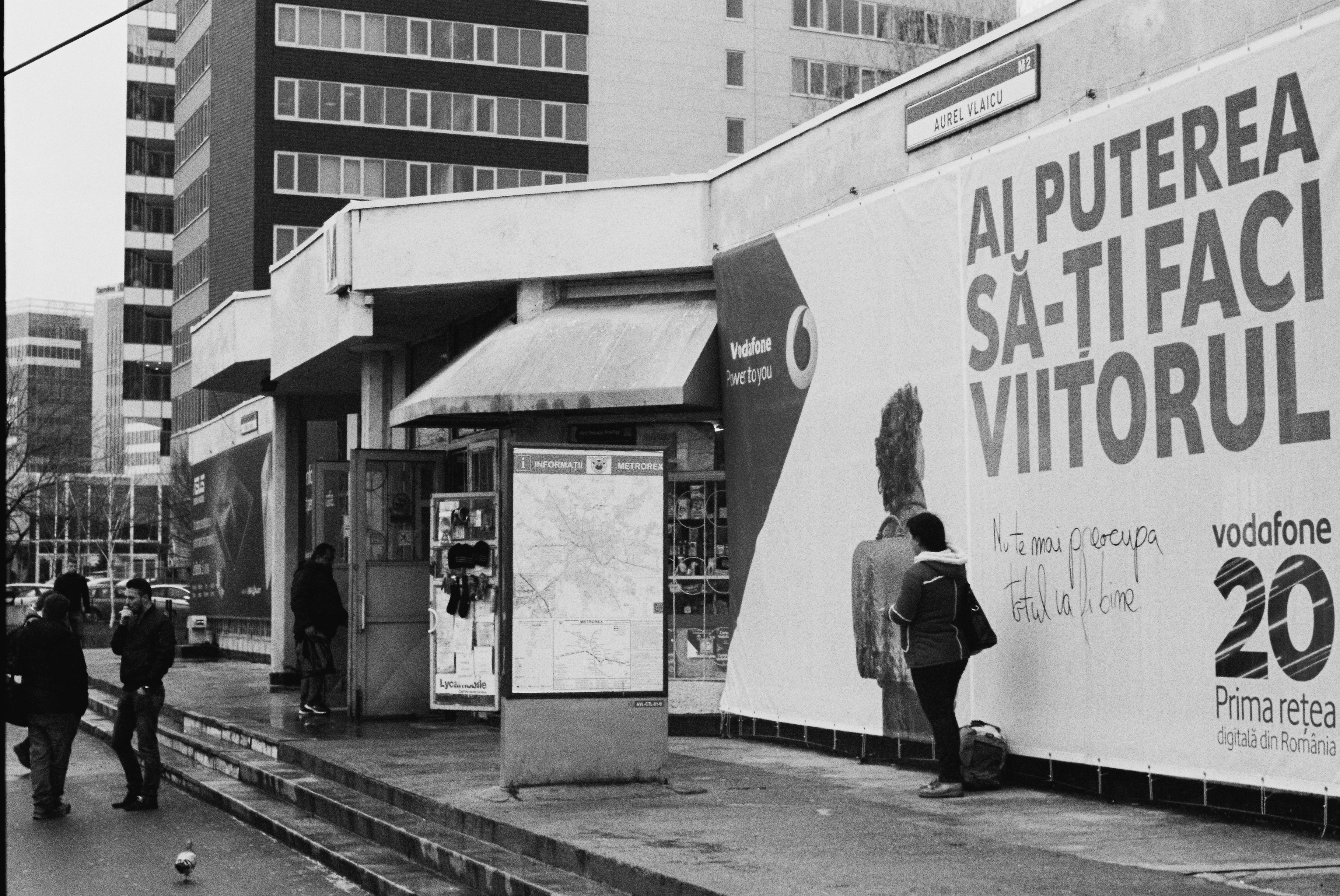
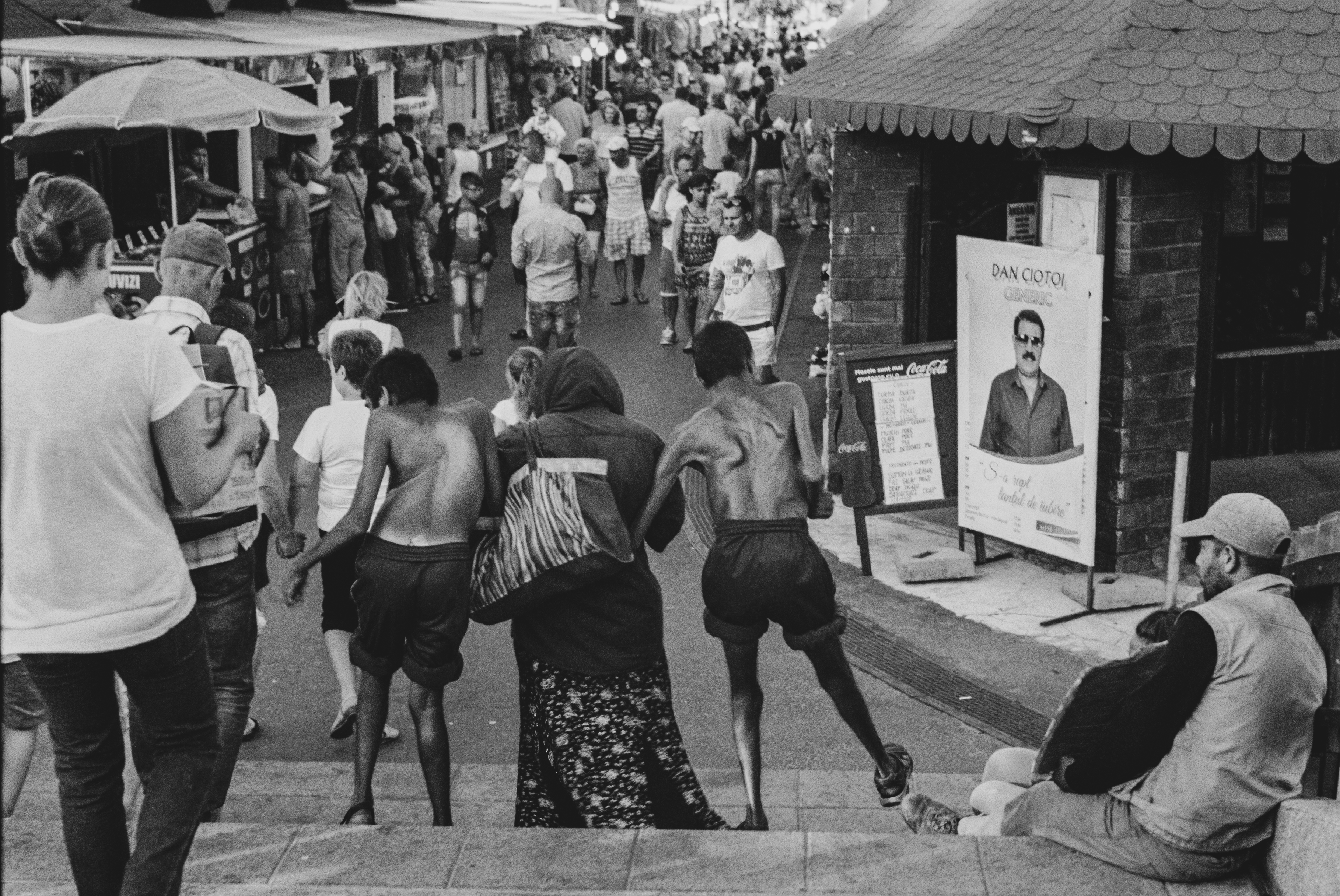
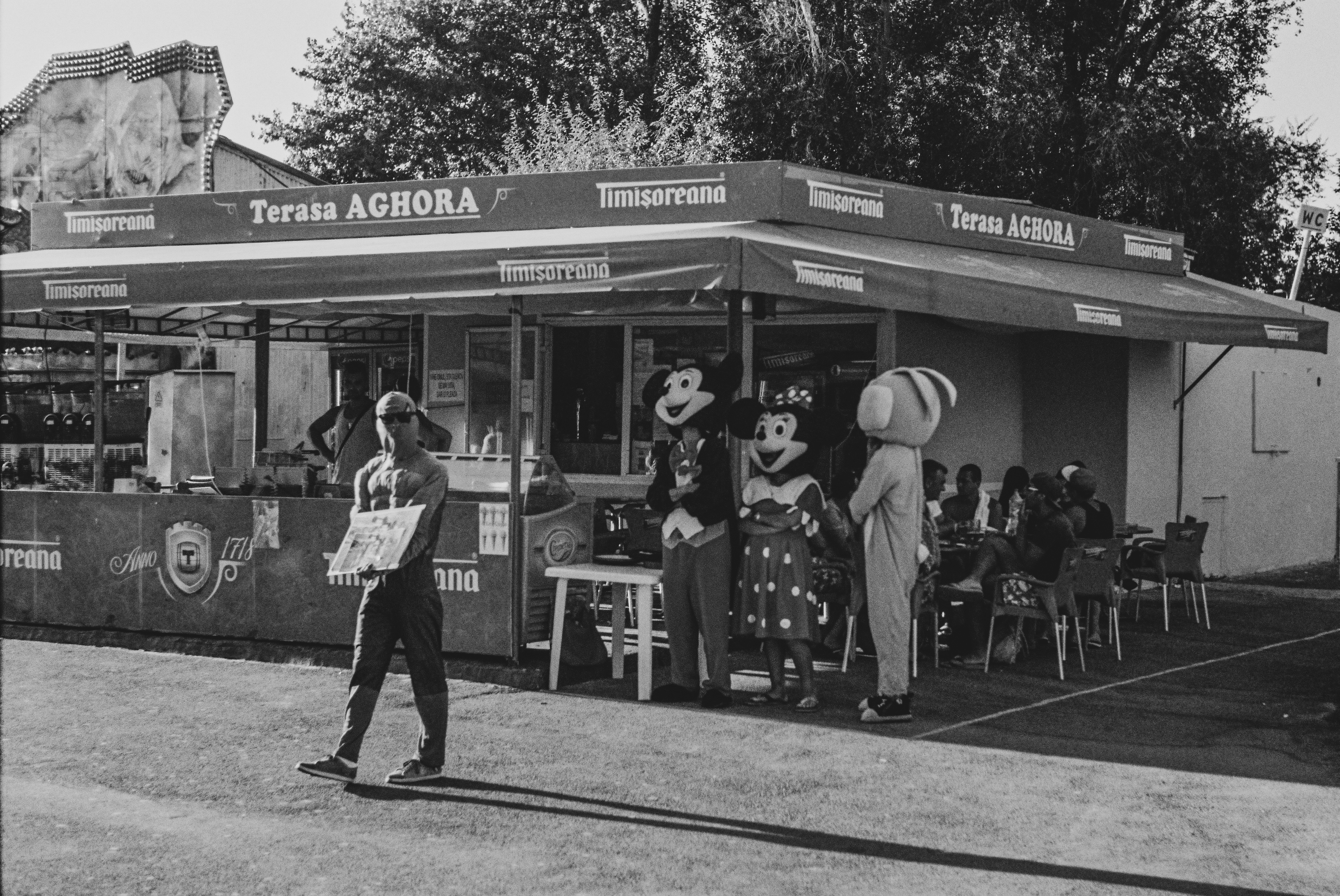
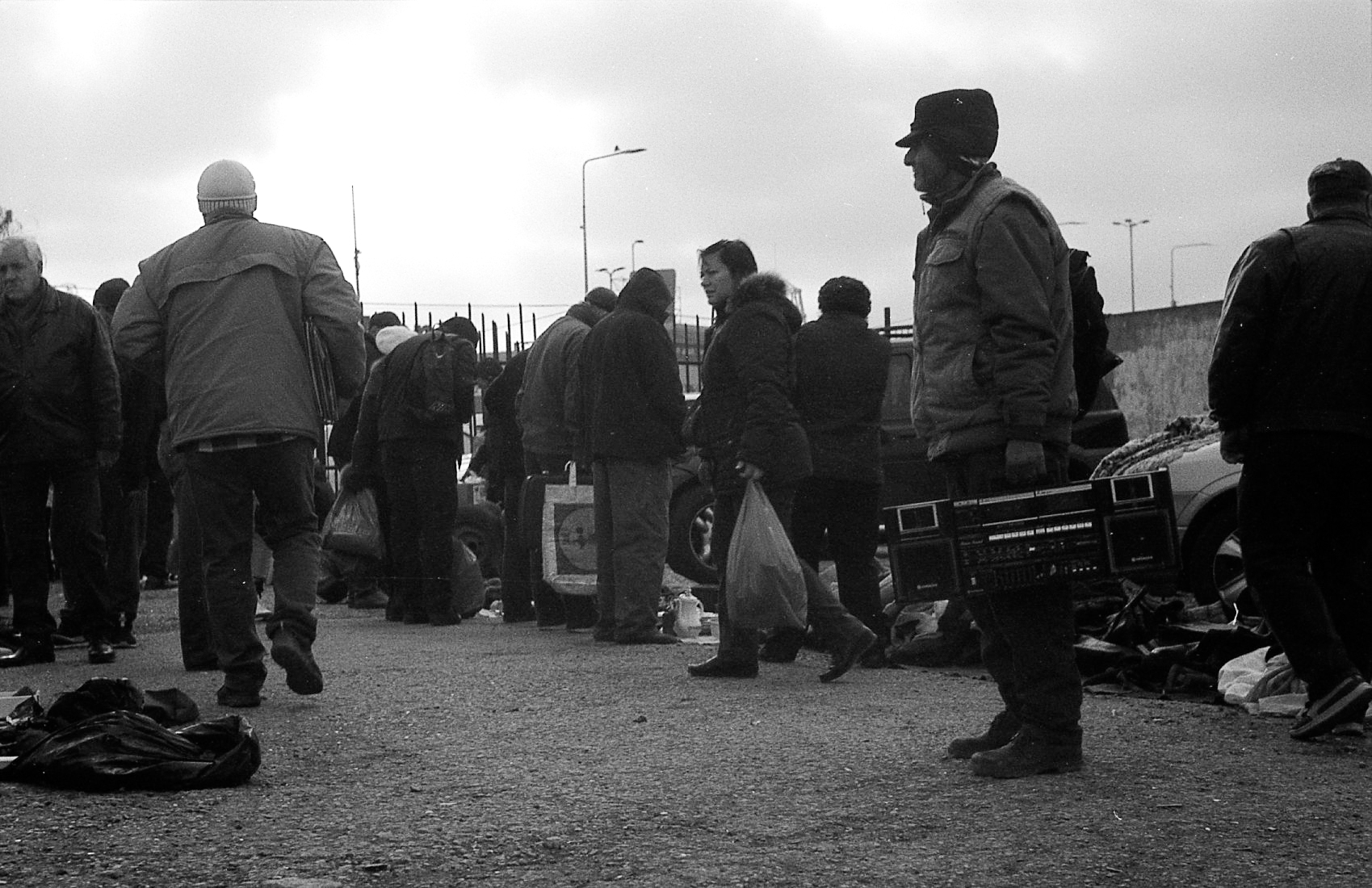
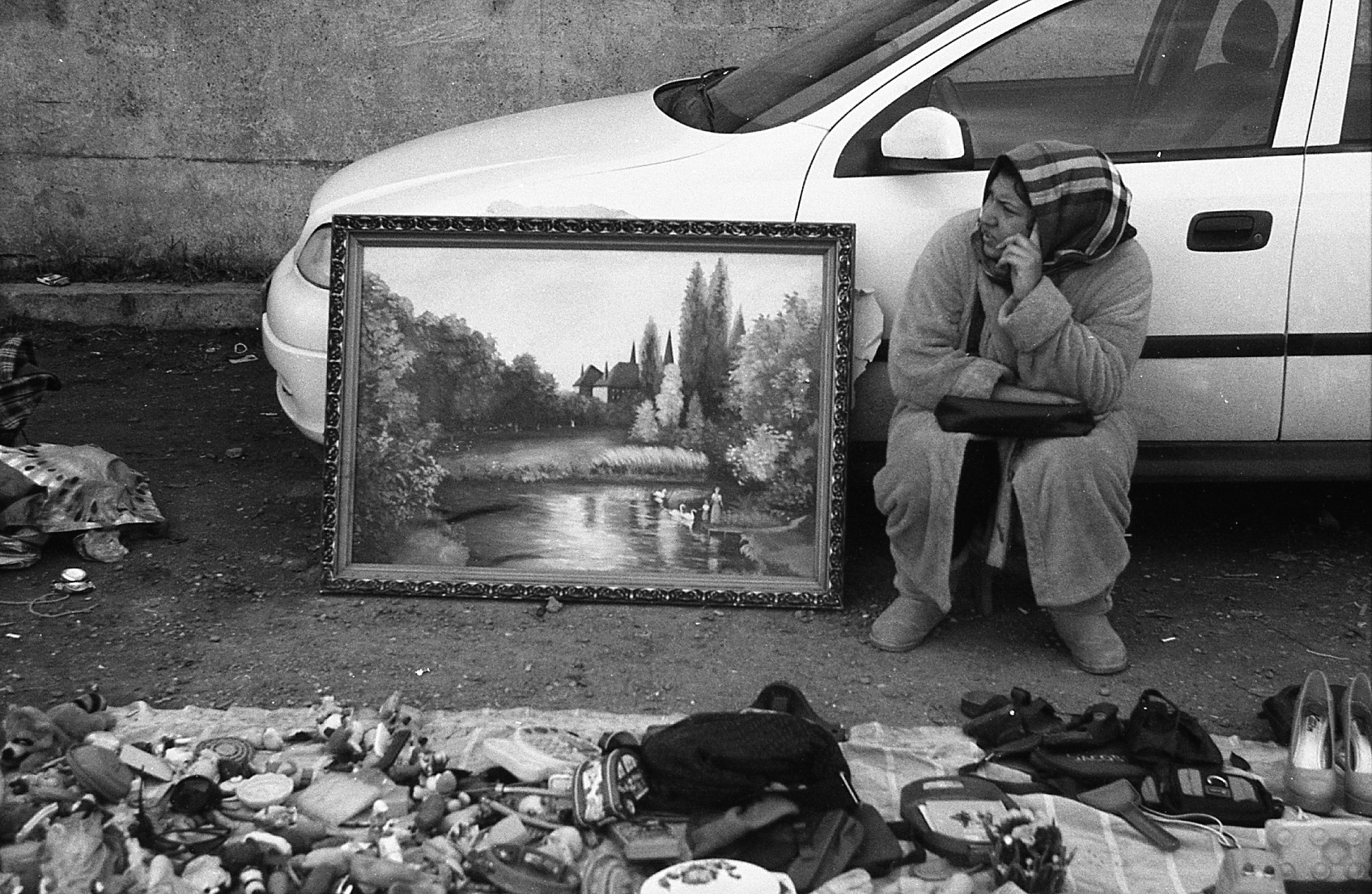
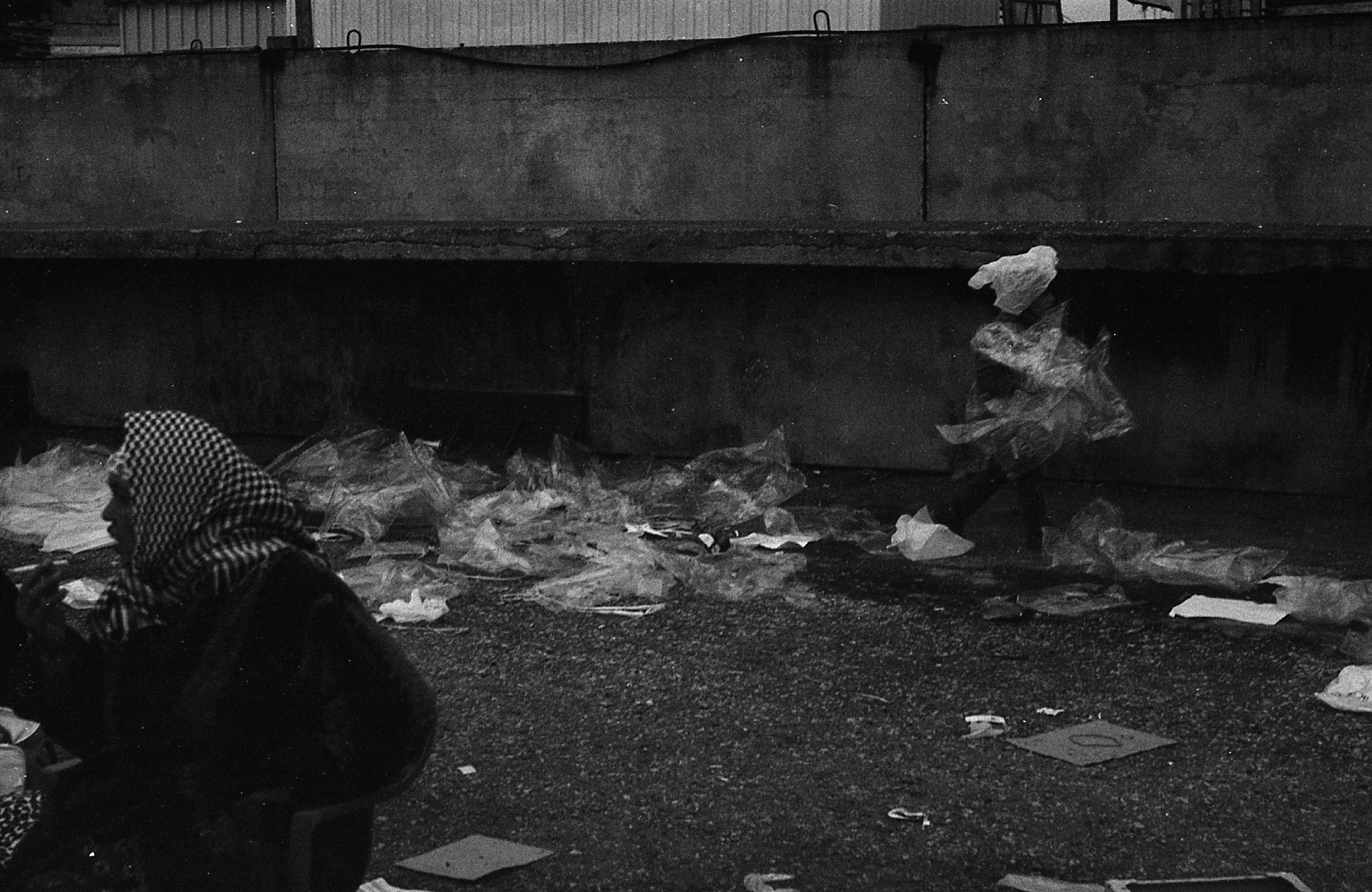
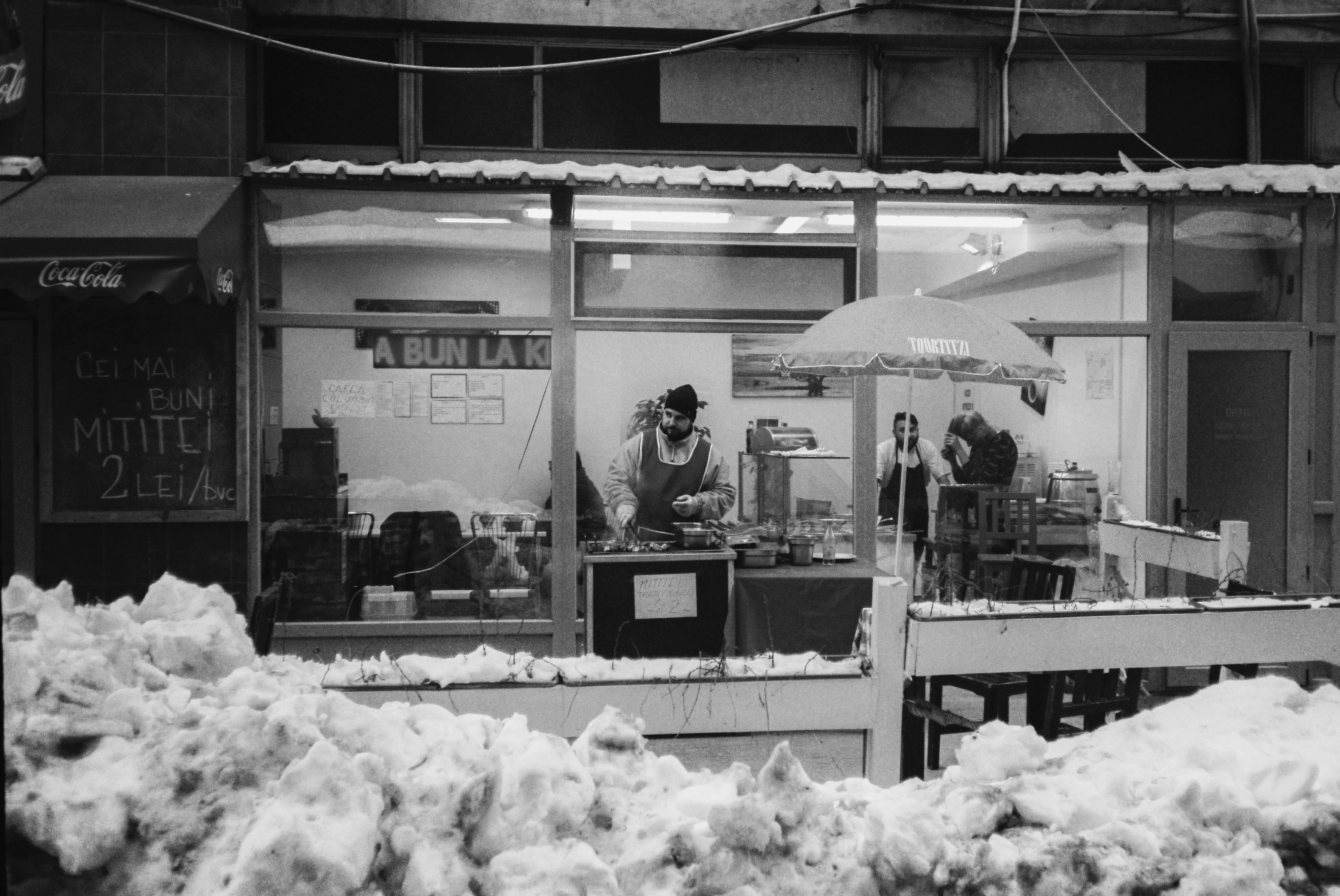
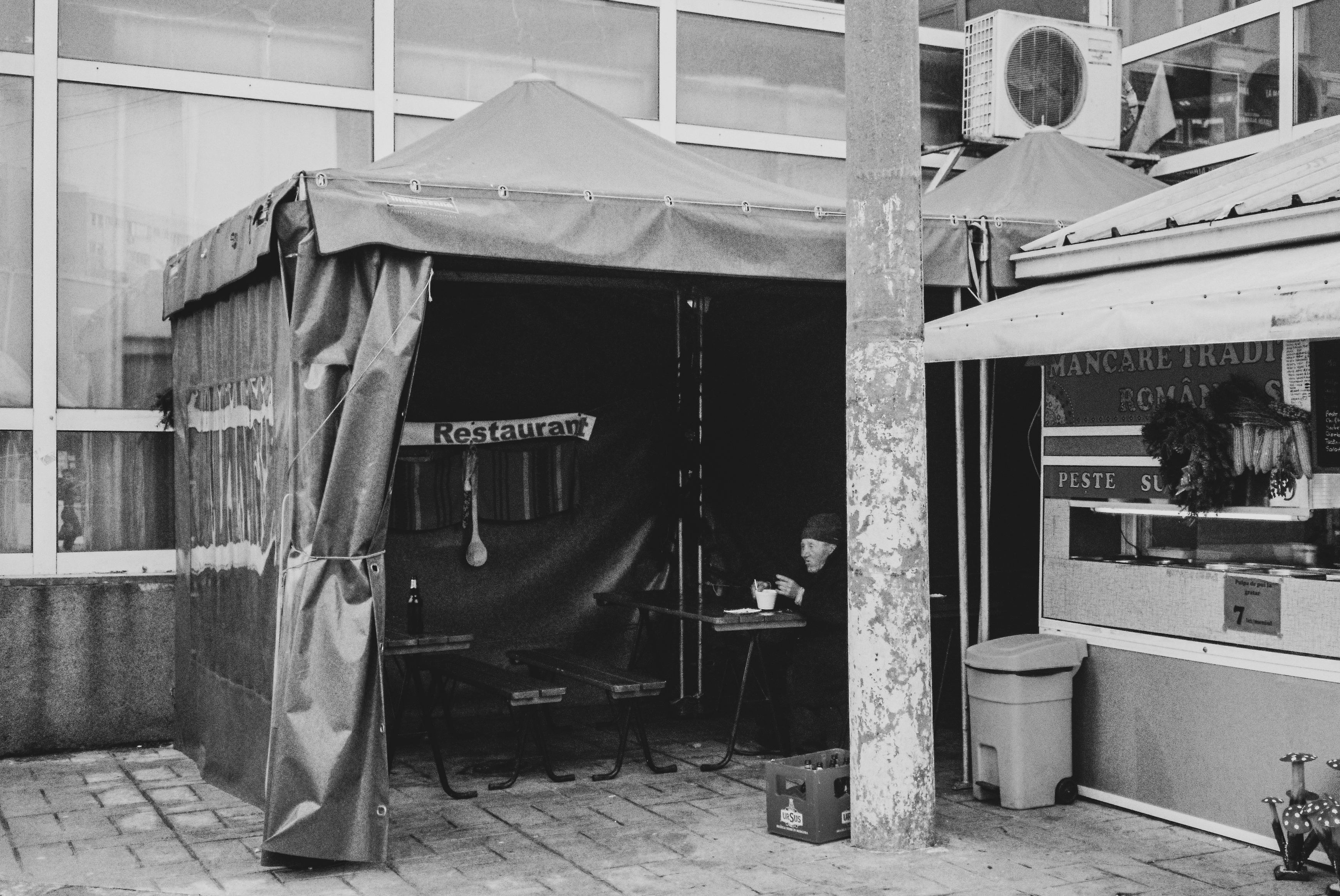
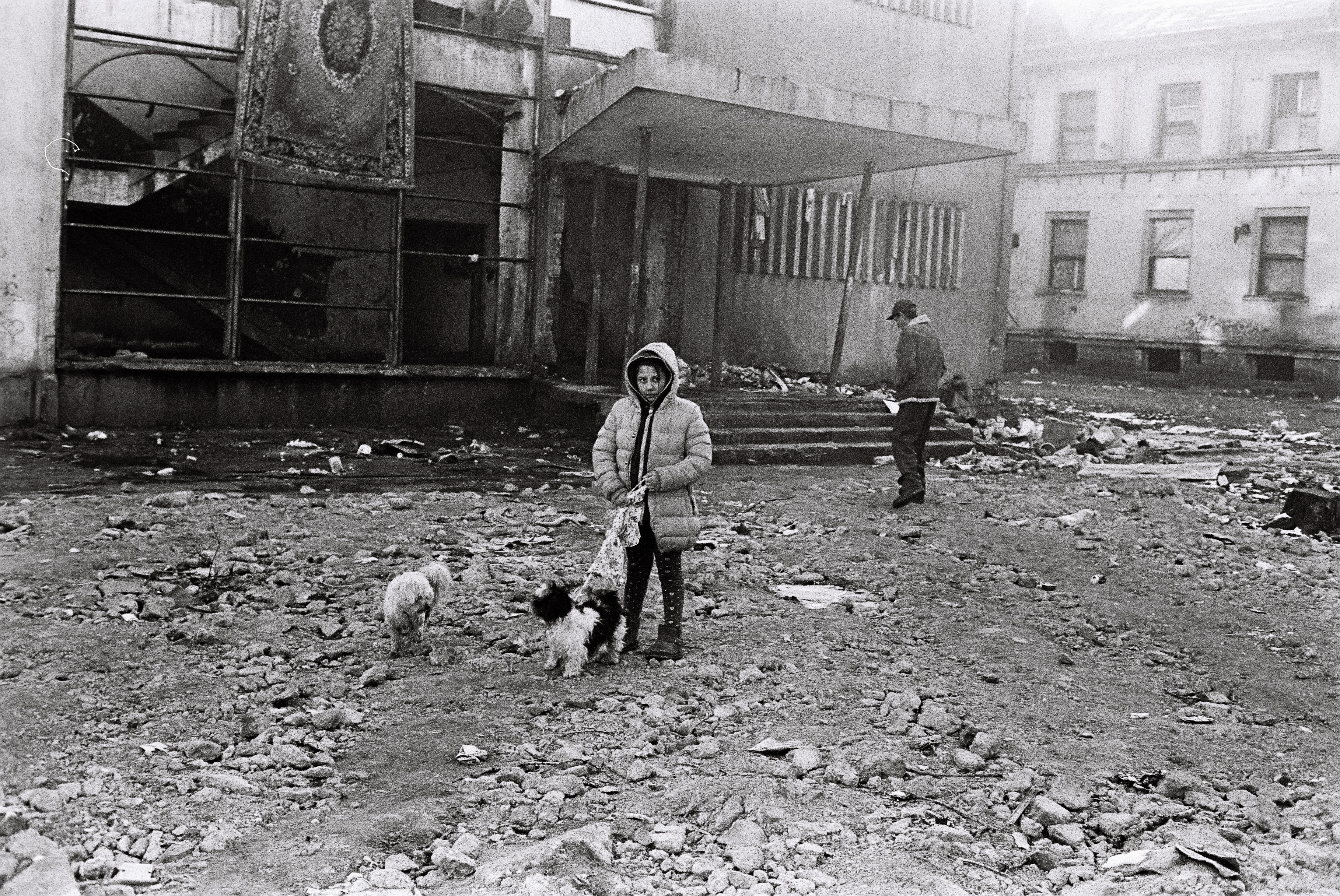
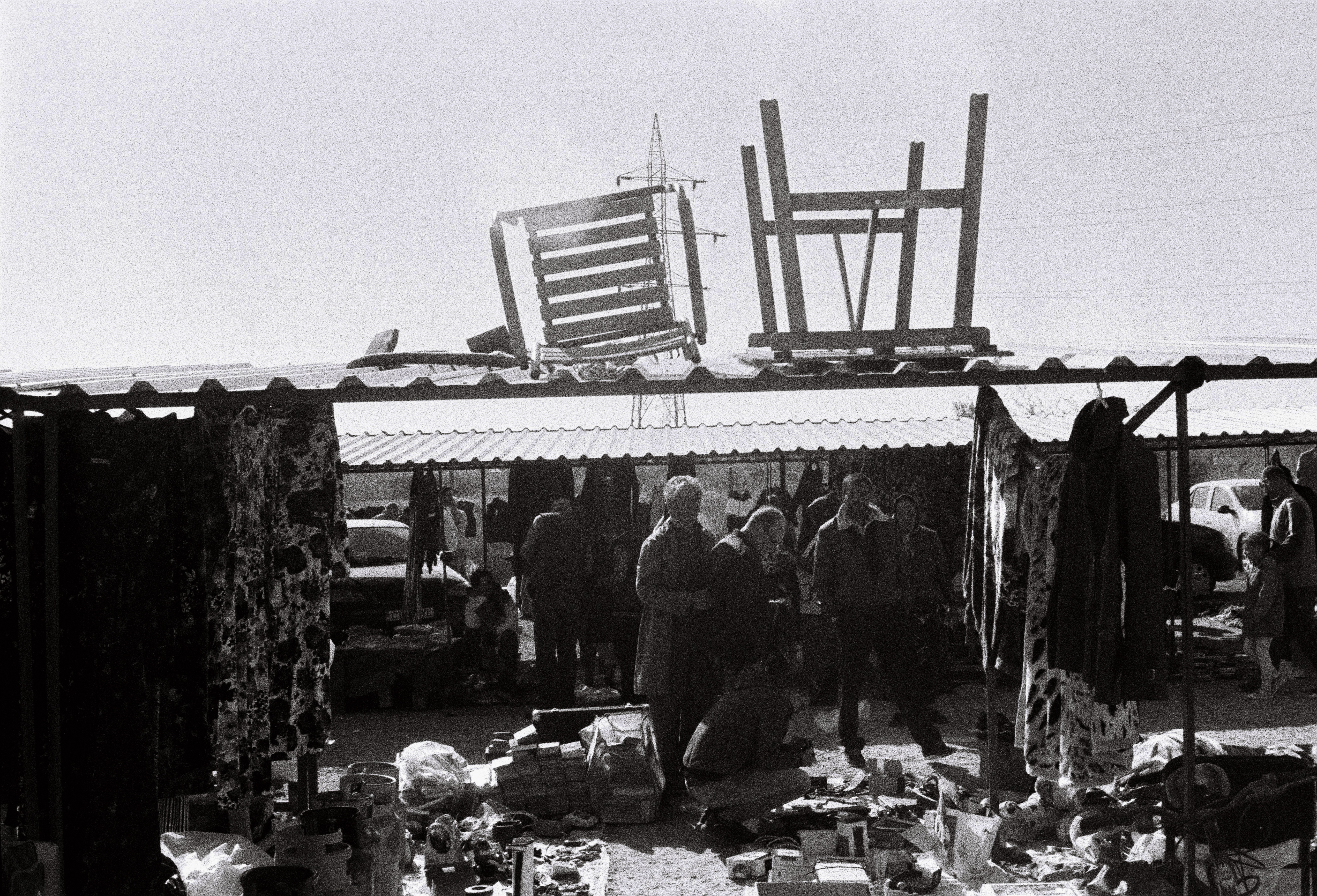
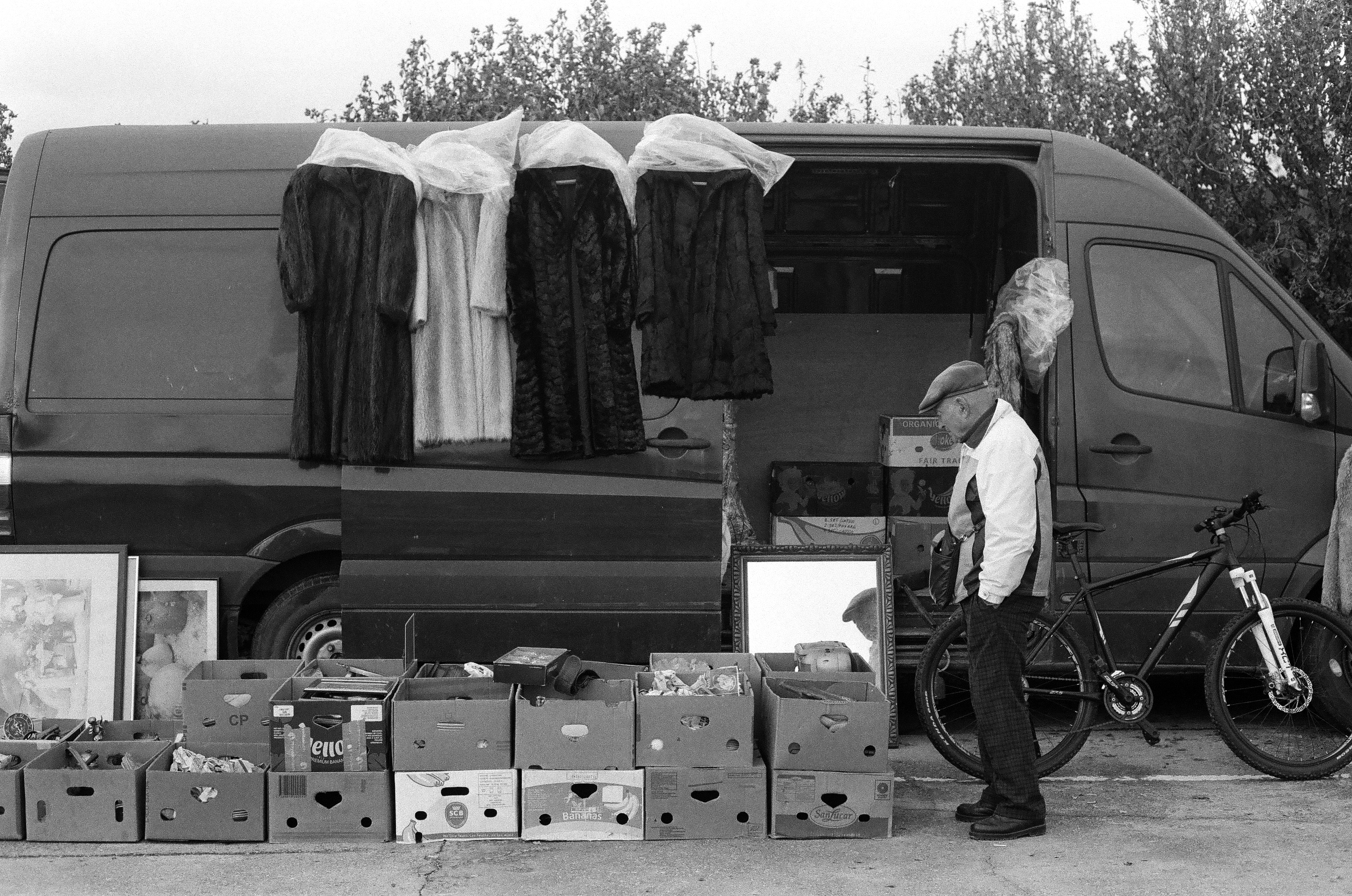
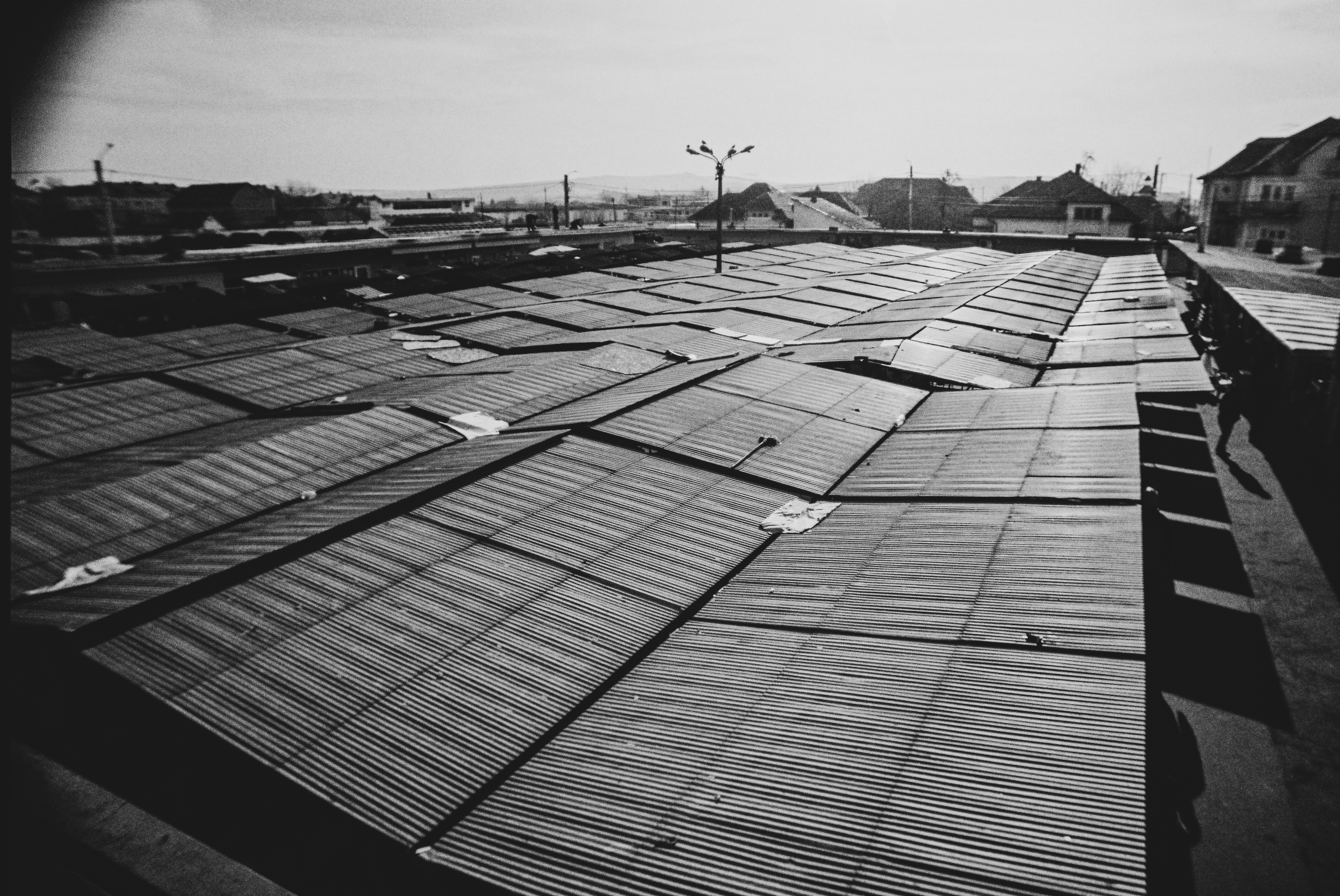
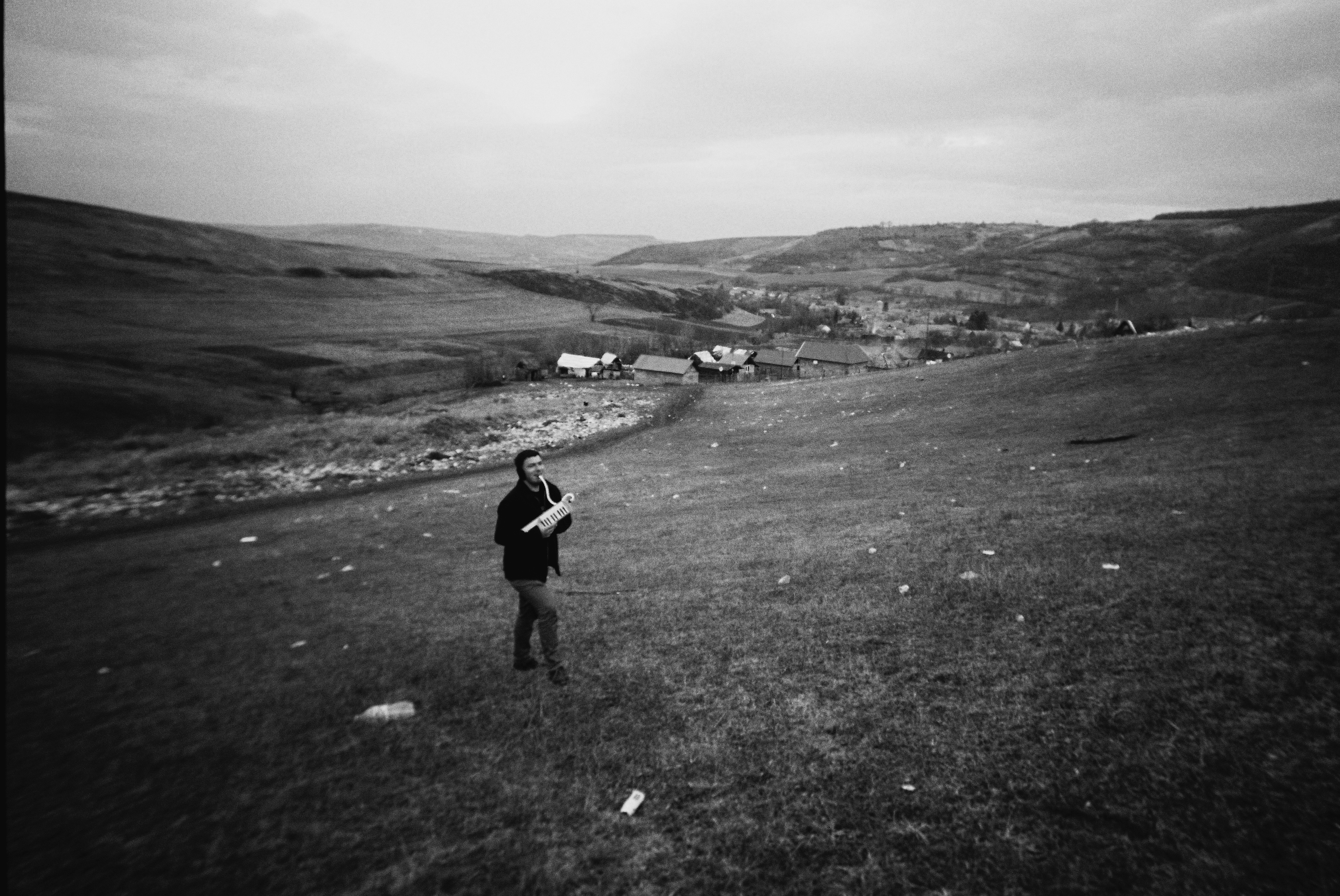
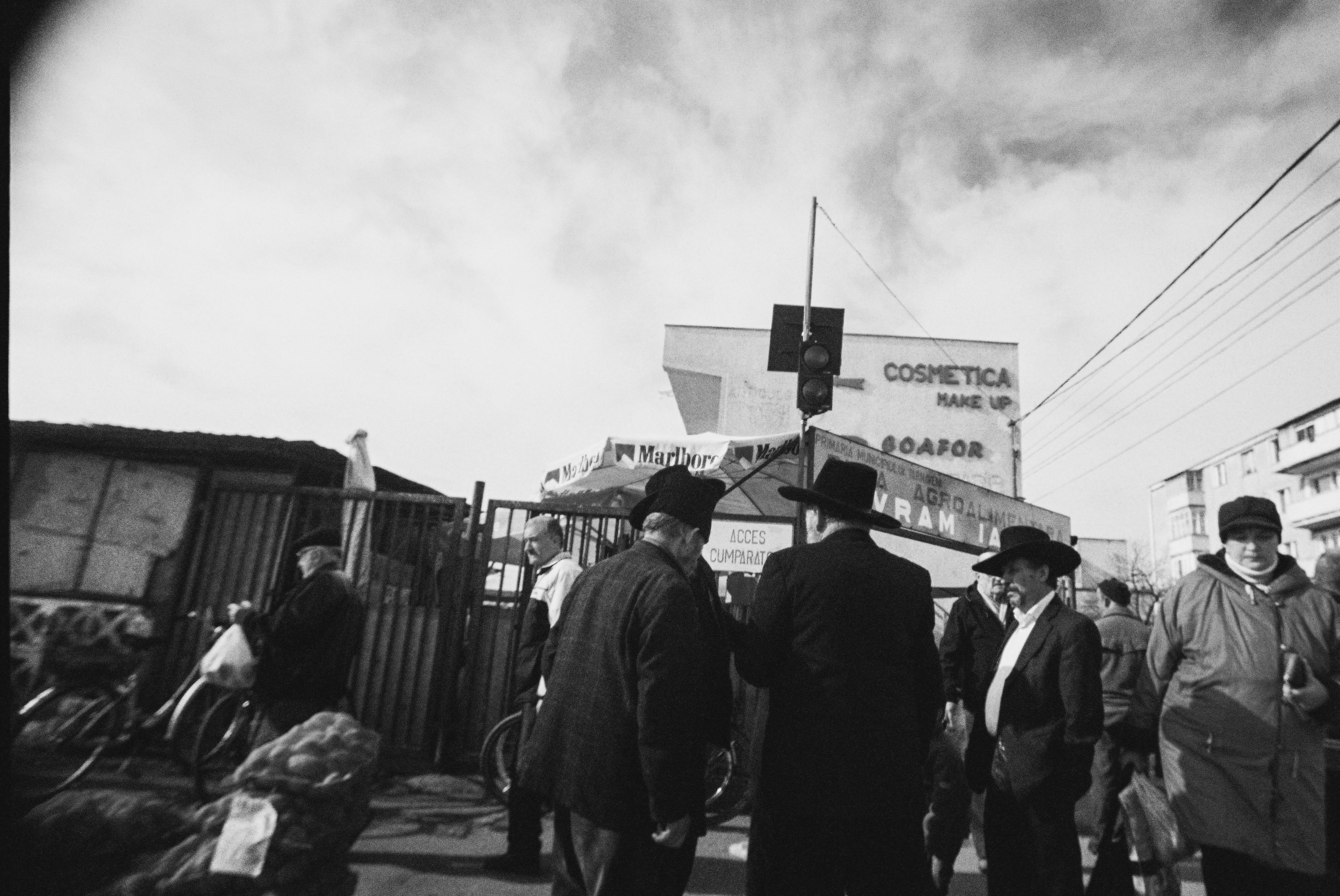
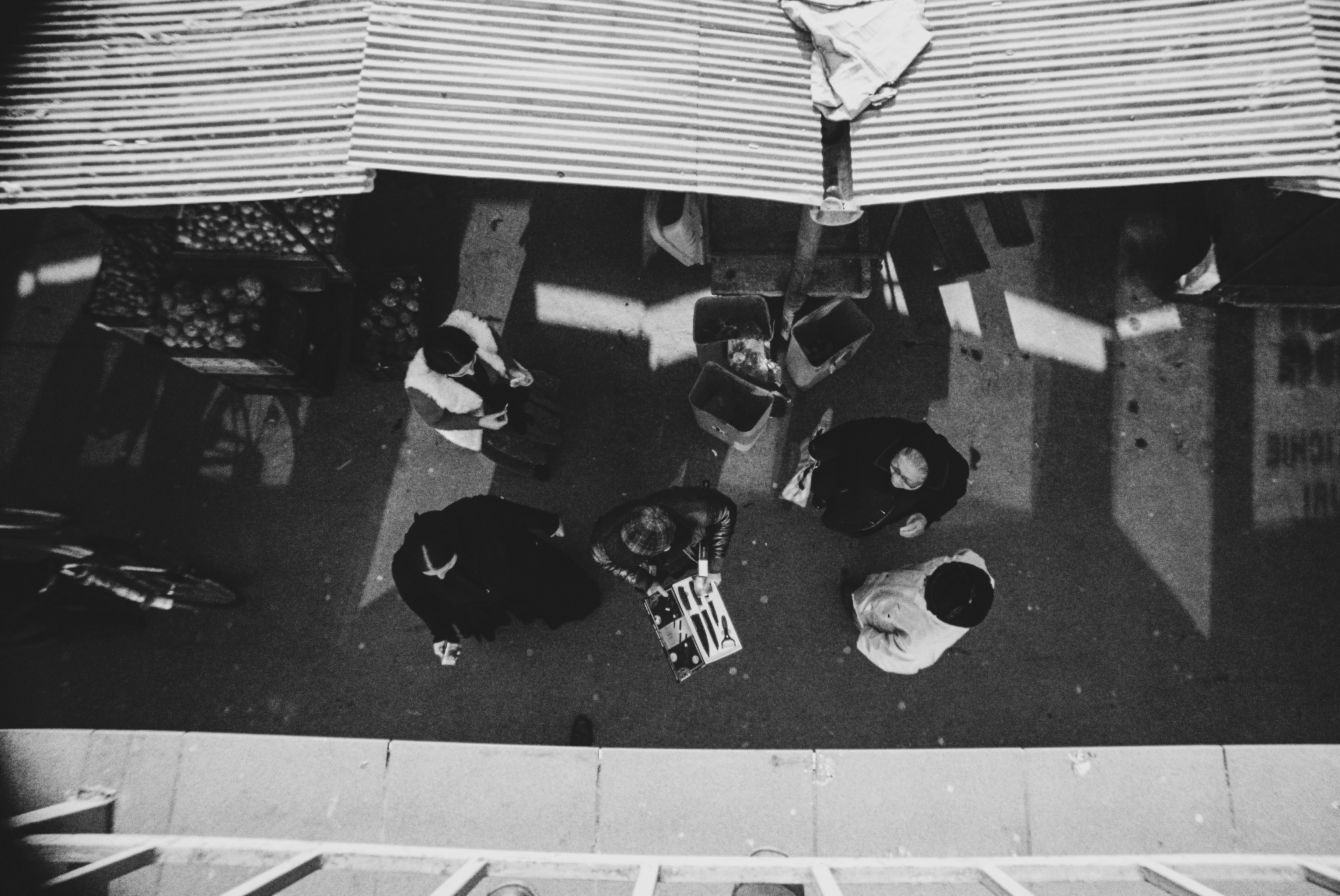
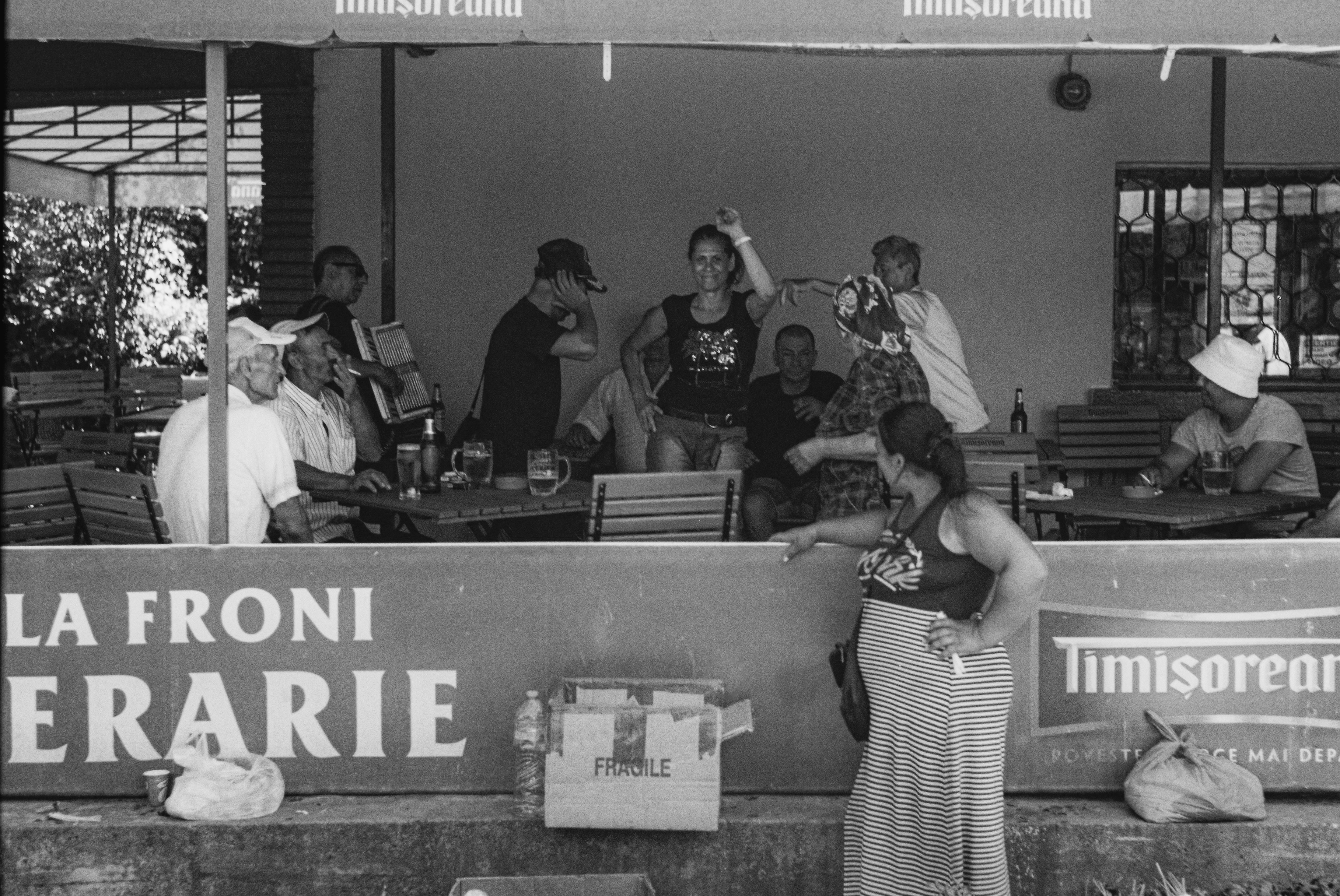
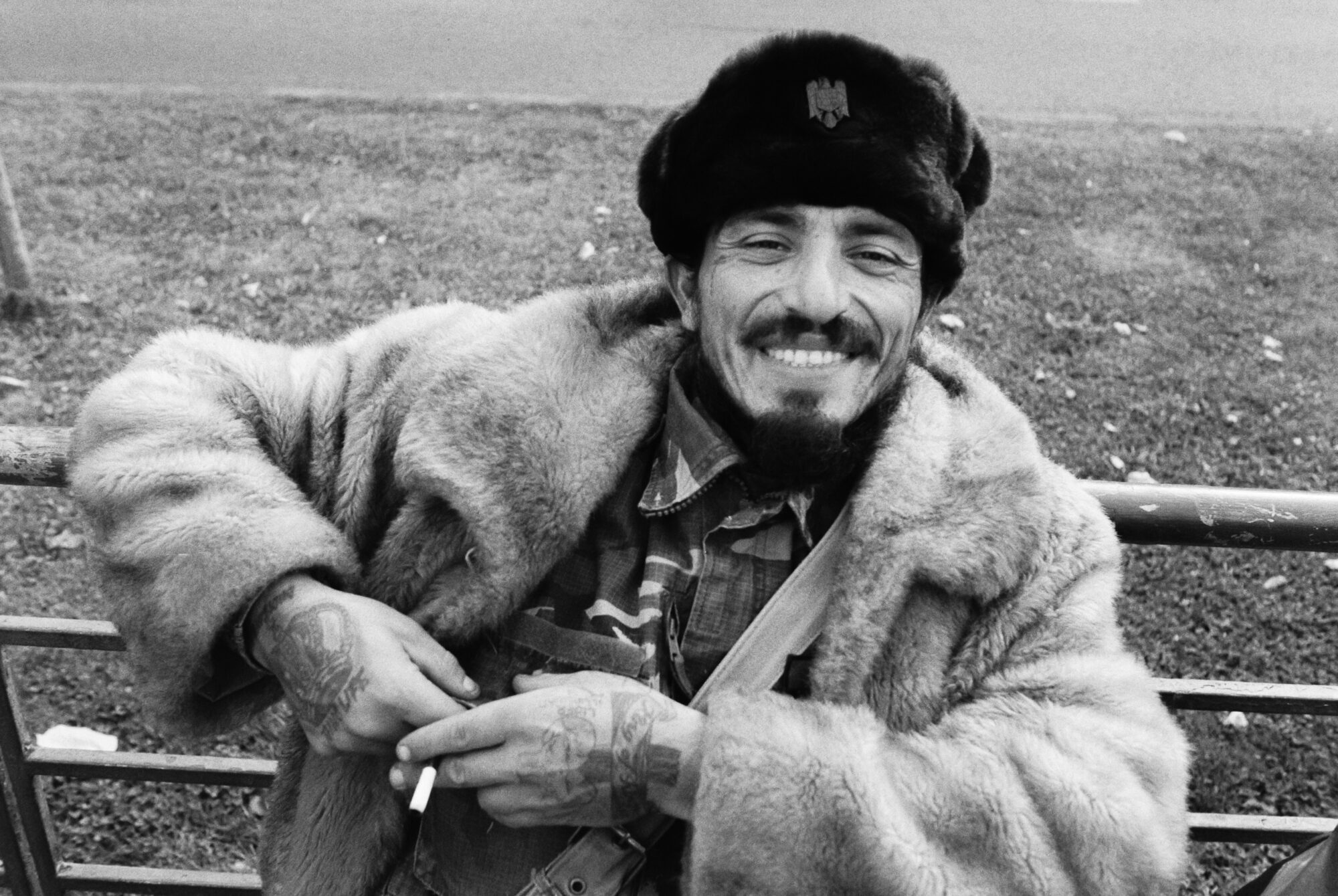
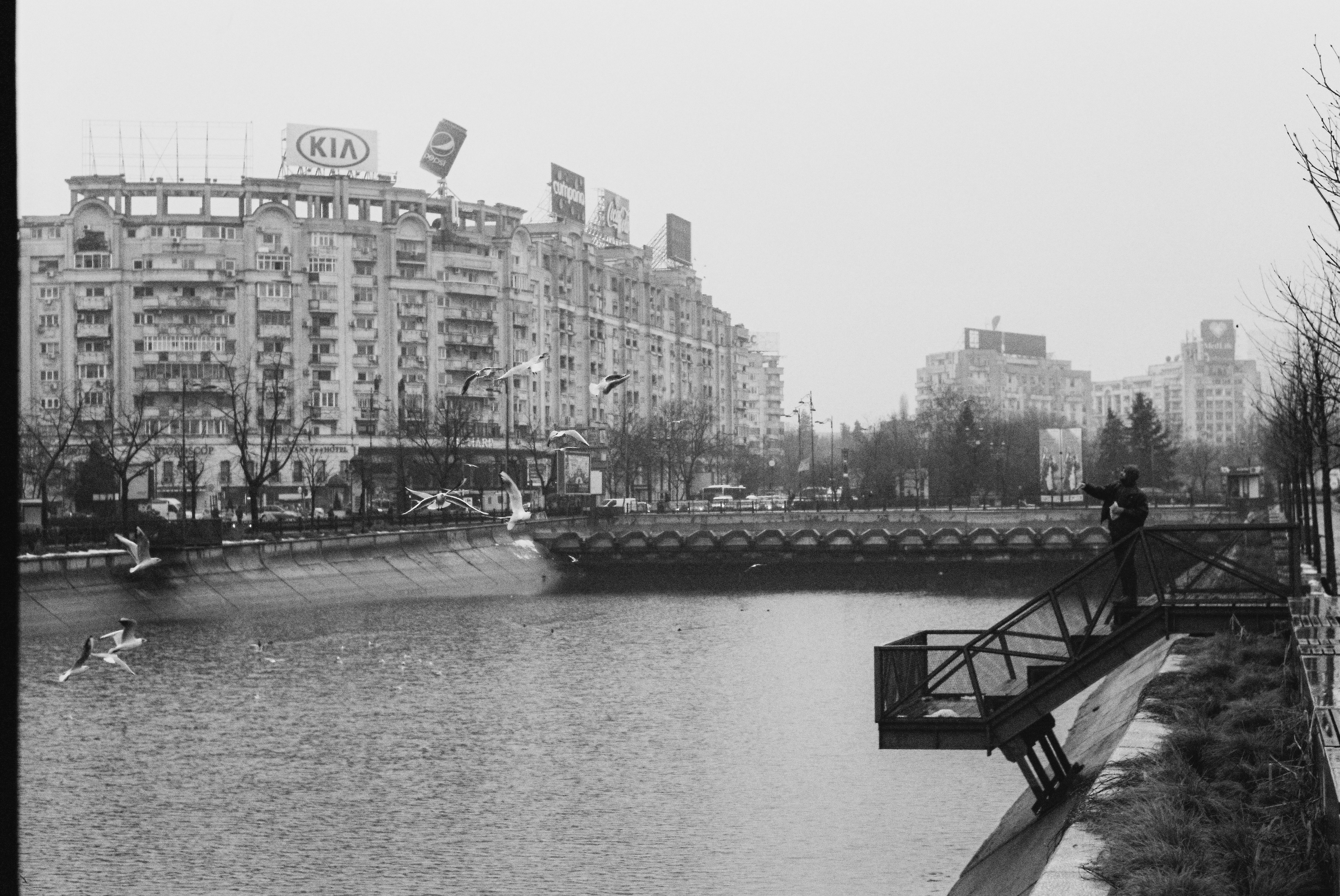
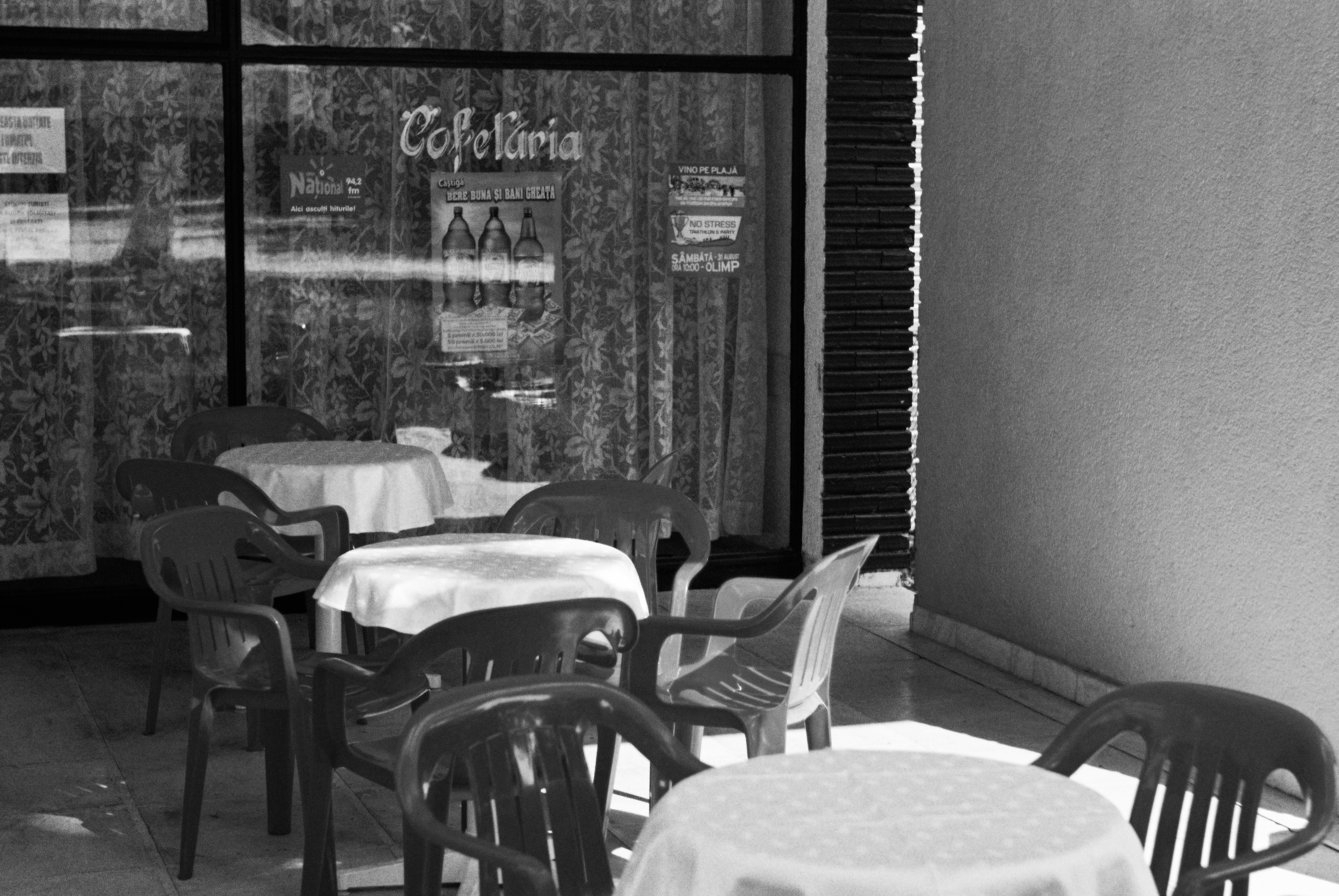
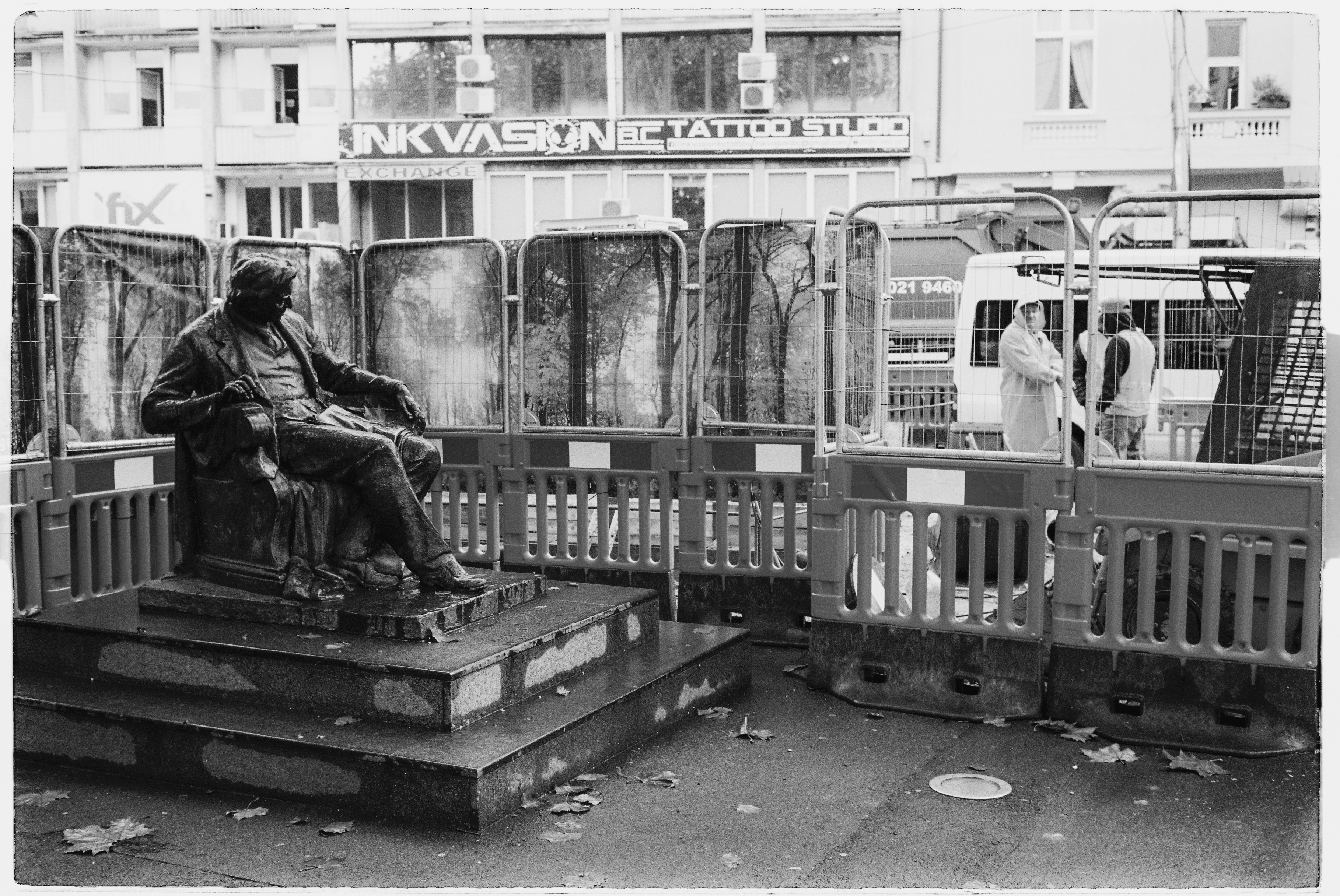
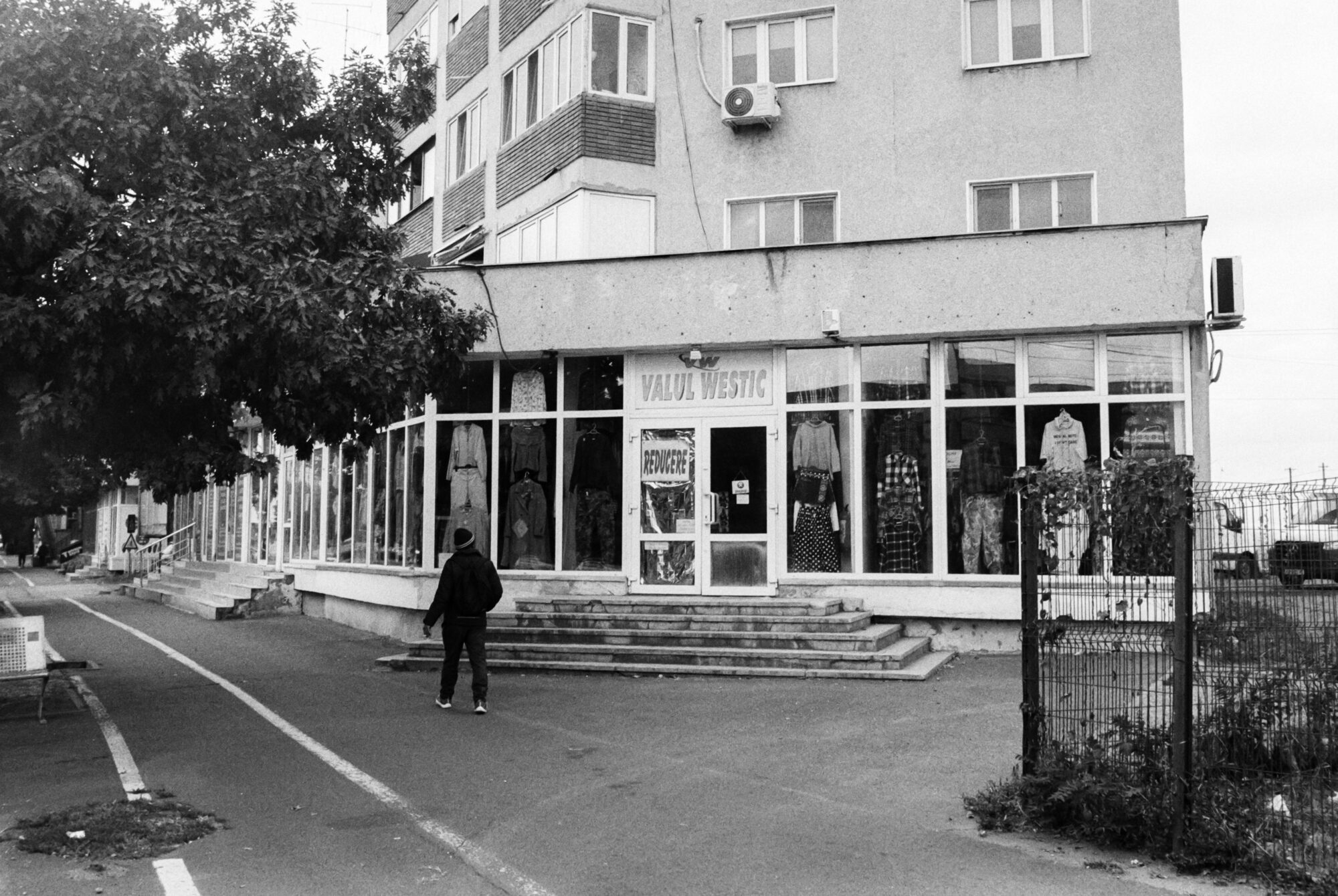
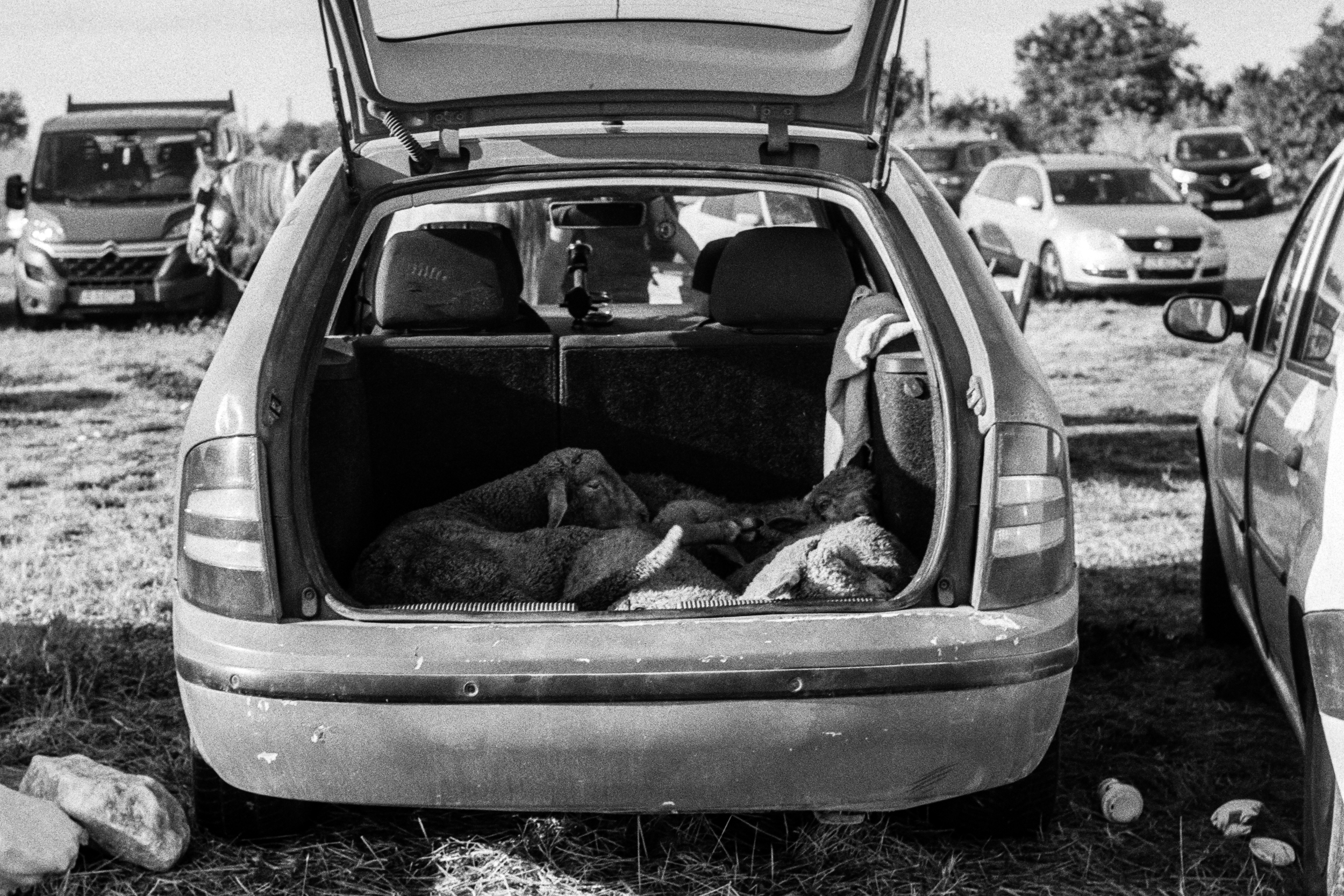
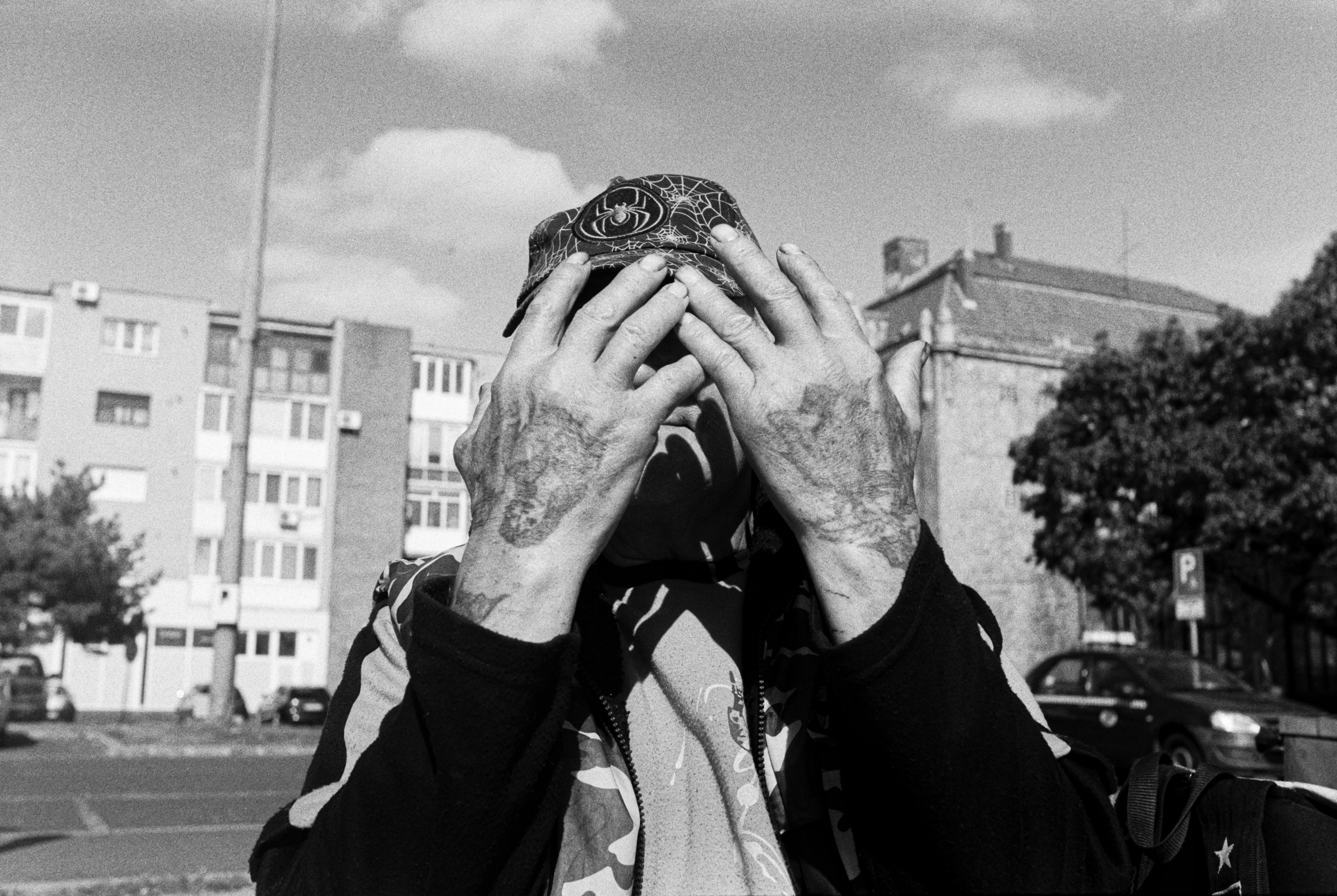
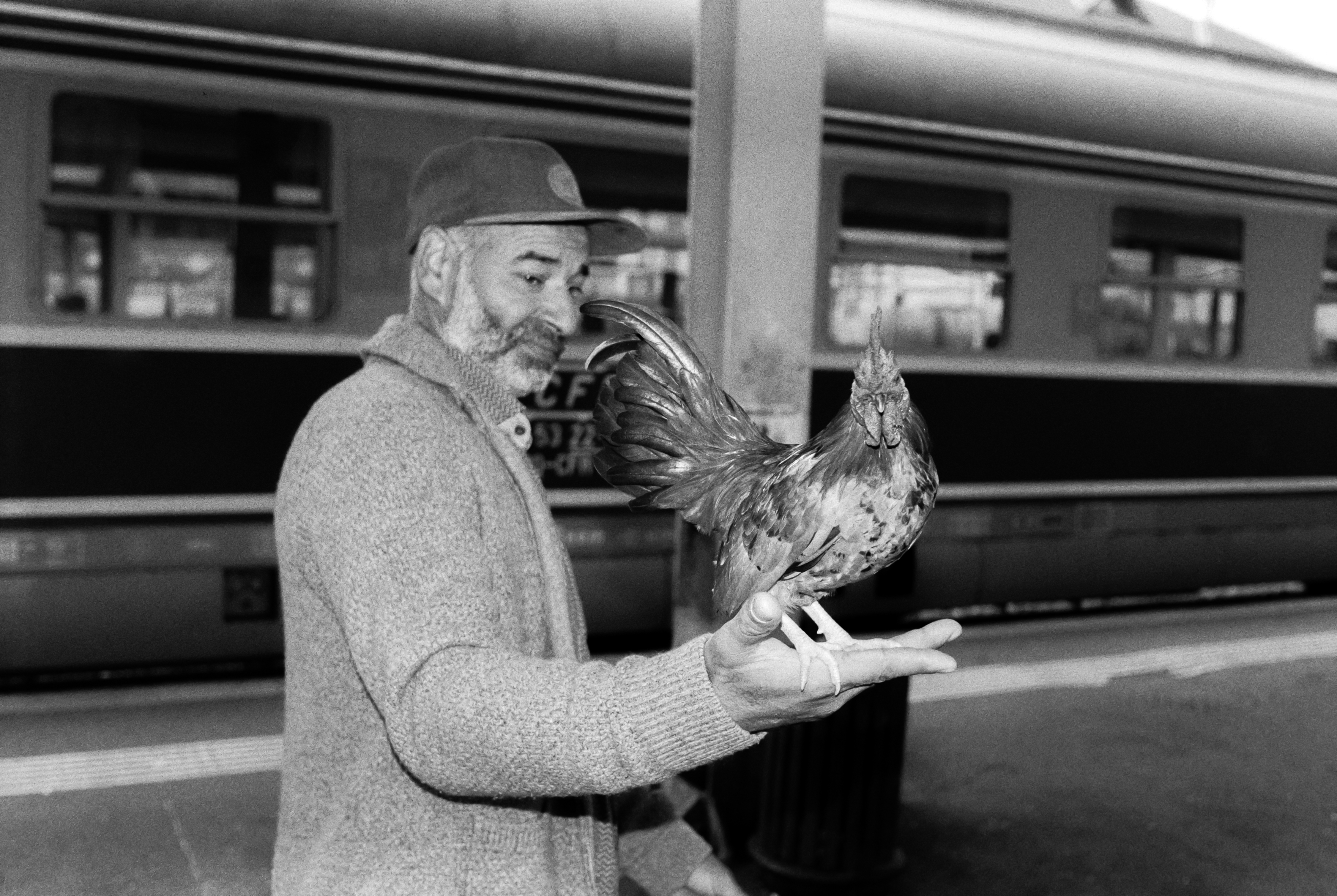
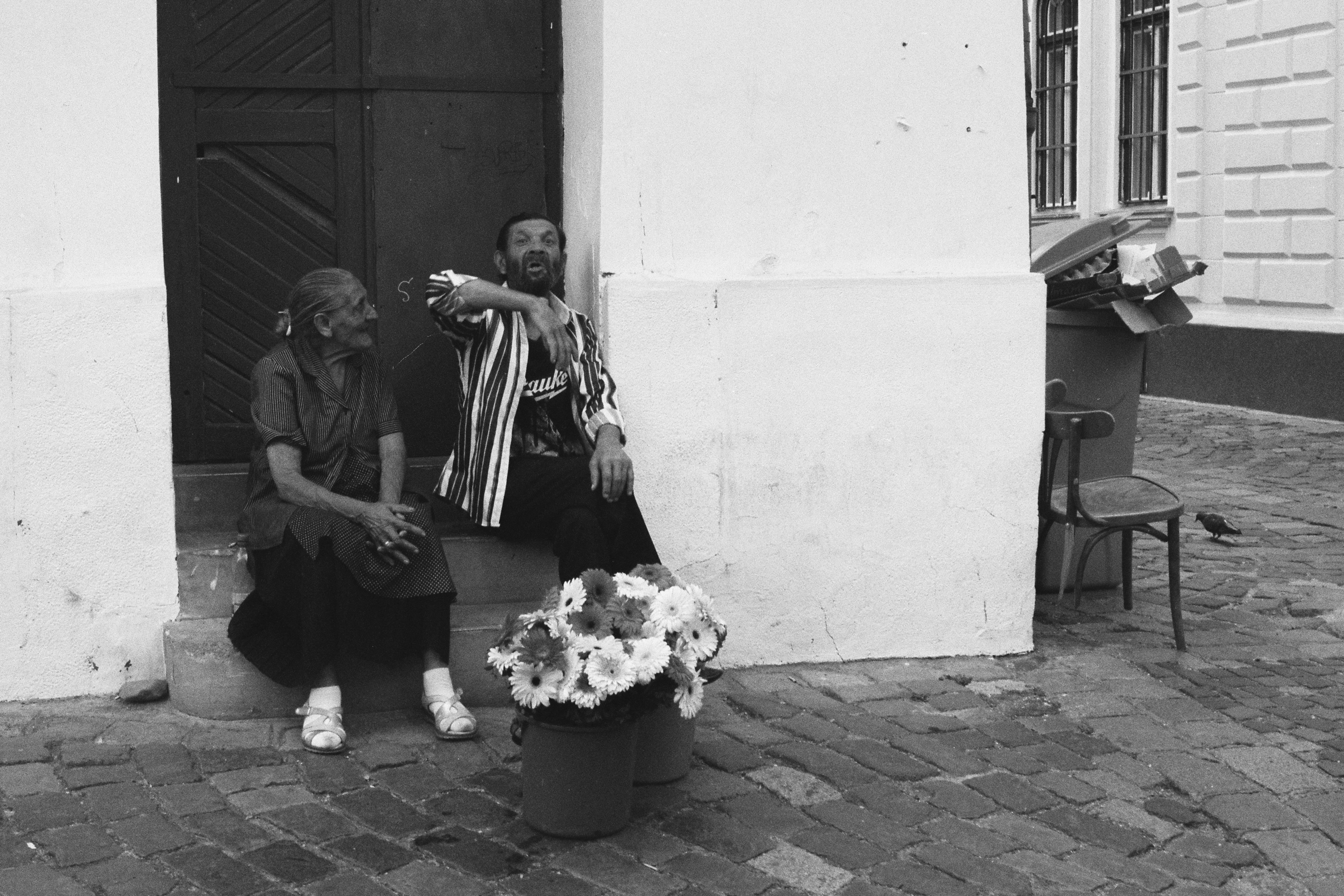
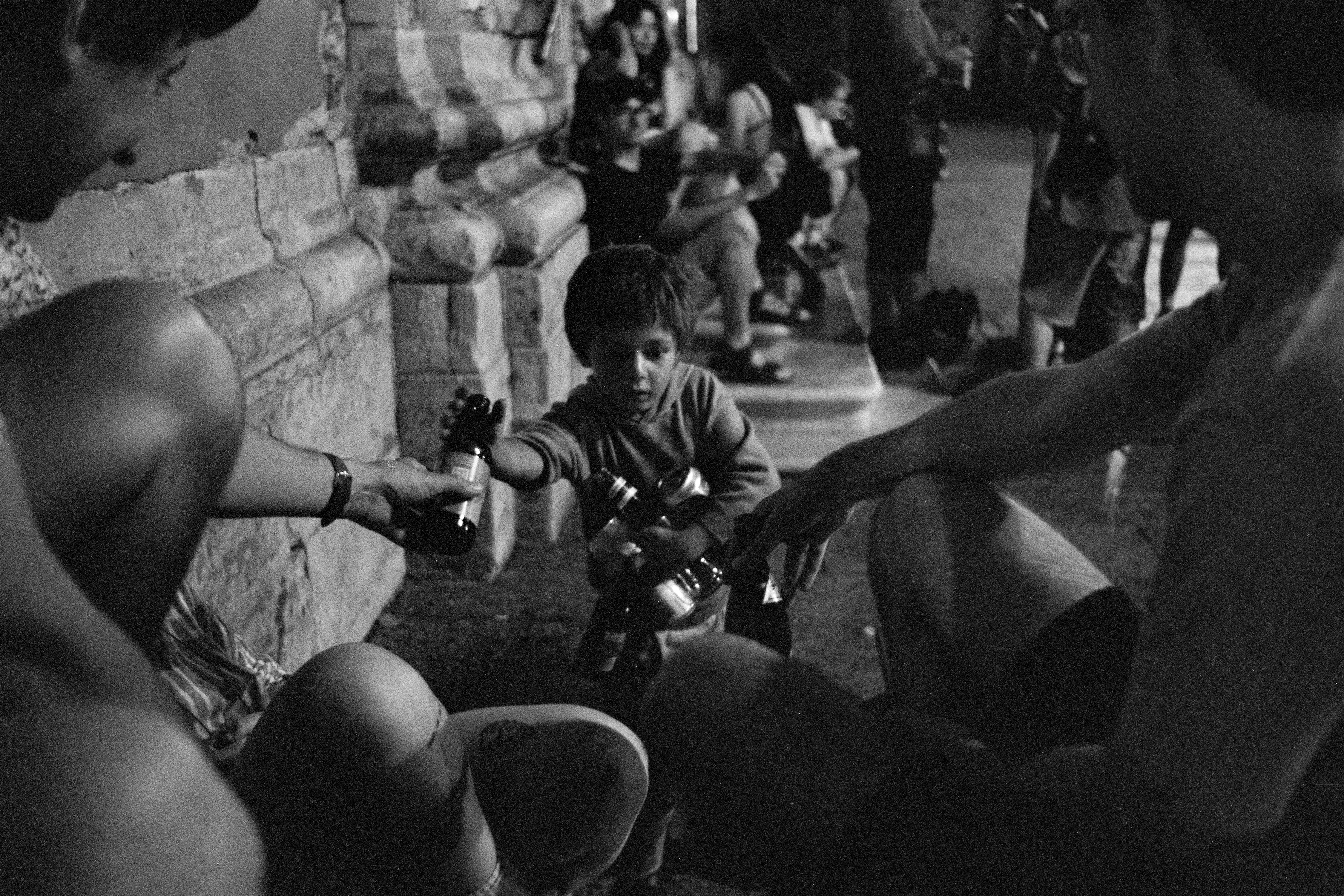
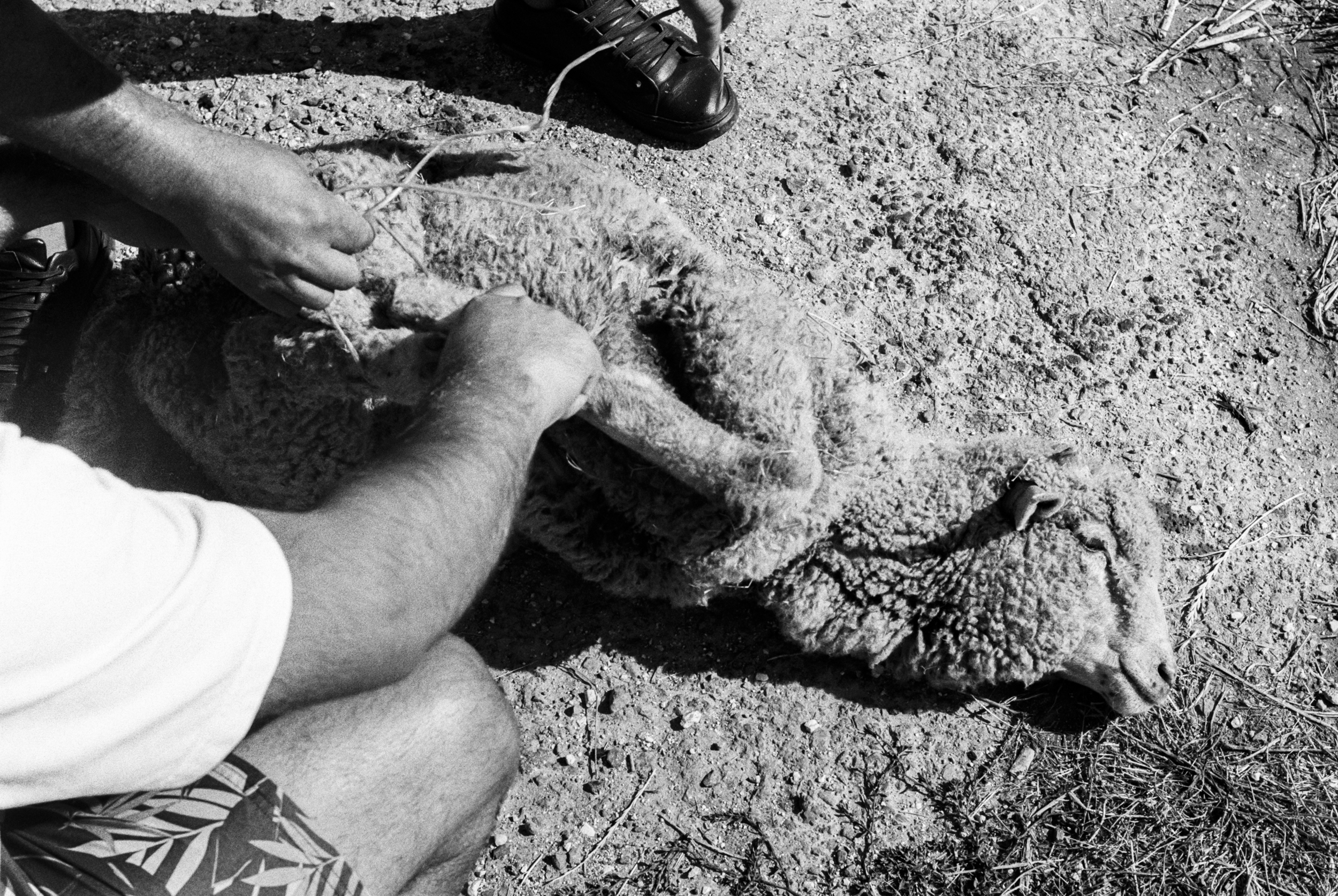
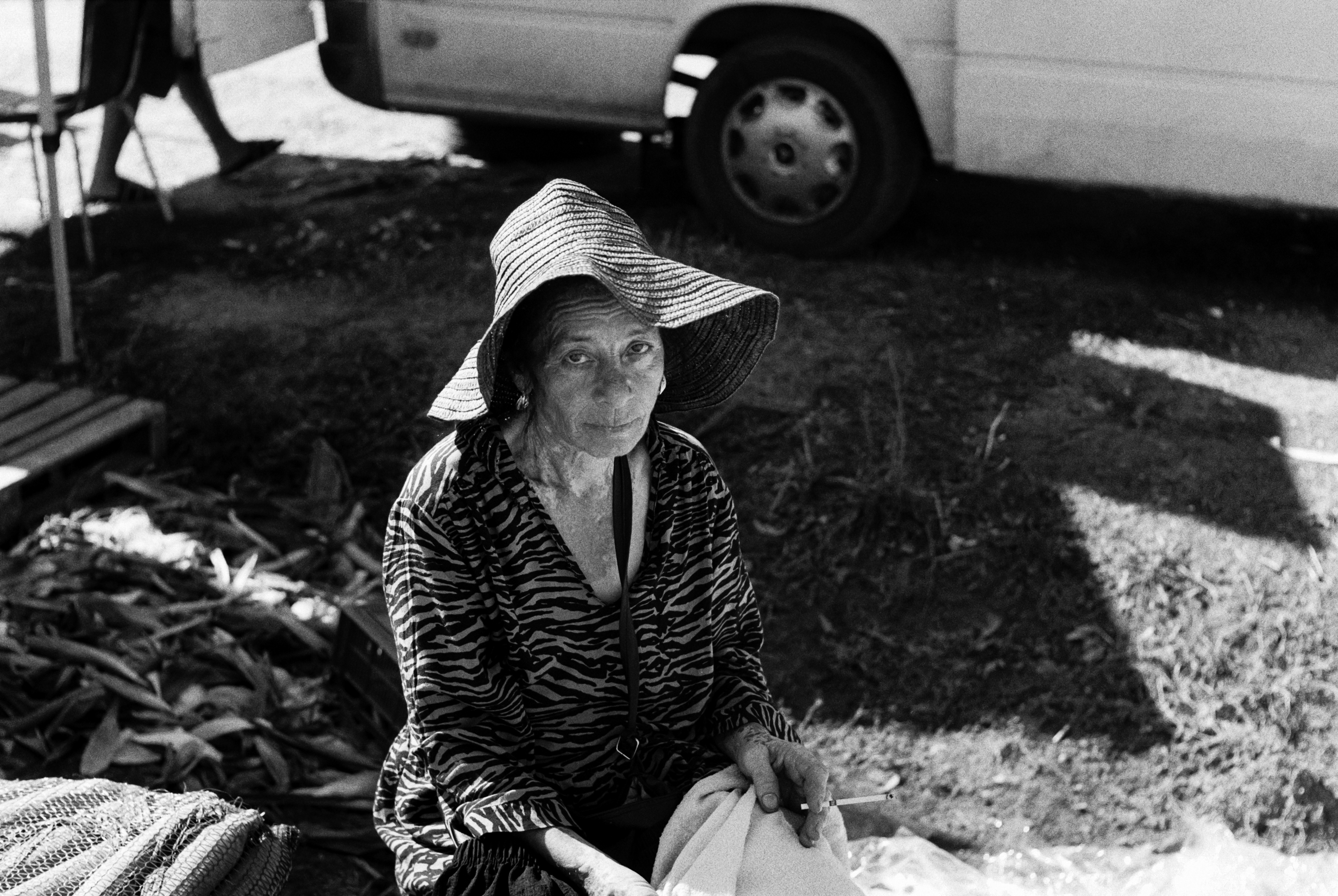
In 2006, I started working with film photography. I was drawn to the flea markets and outskirts of Romanian cities, which I began documenting through photography. I later realized that these areas offered a stark perspective on how the transformations were experienced locally and how new values were interpreted, negotiated, and adapted in everyday life.
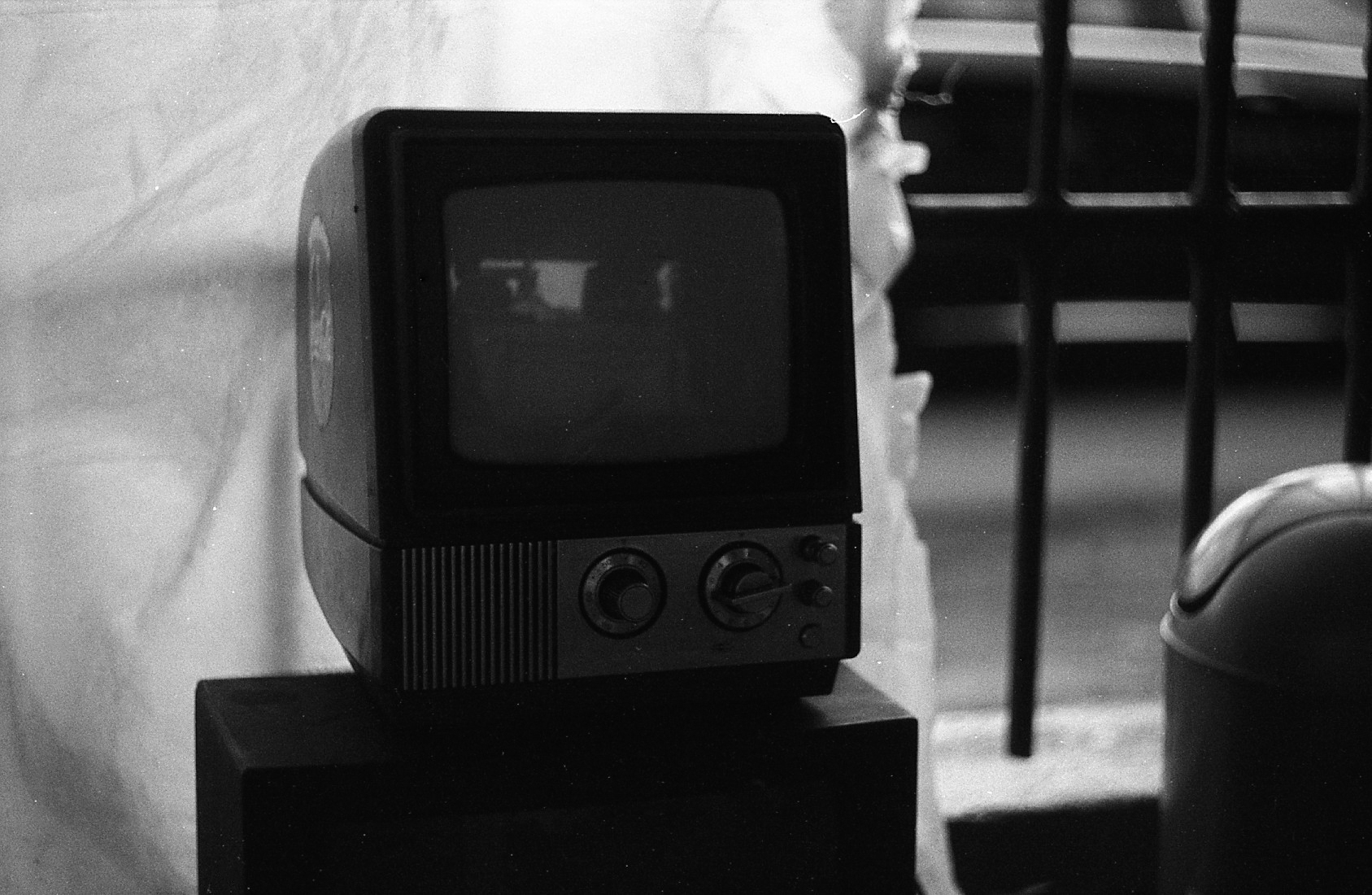
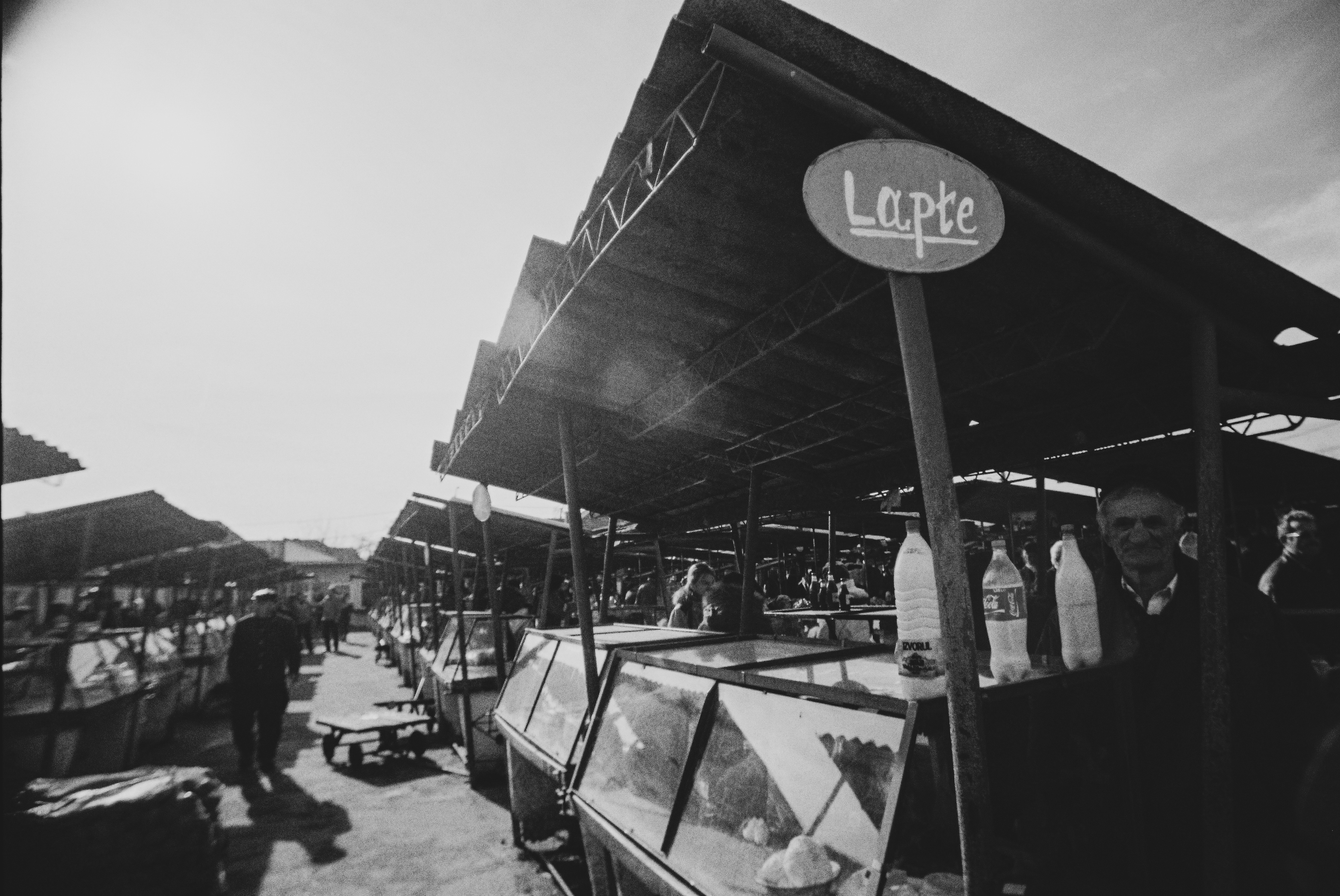
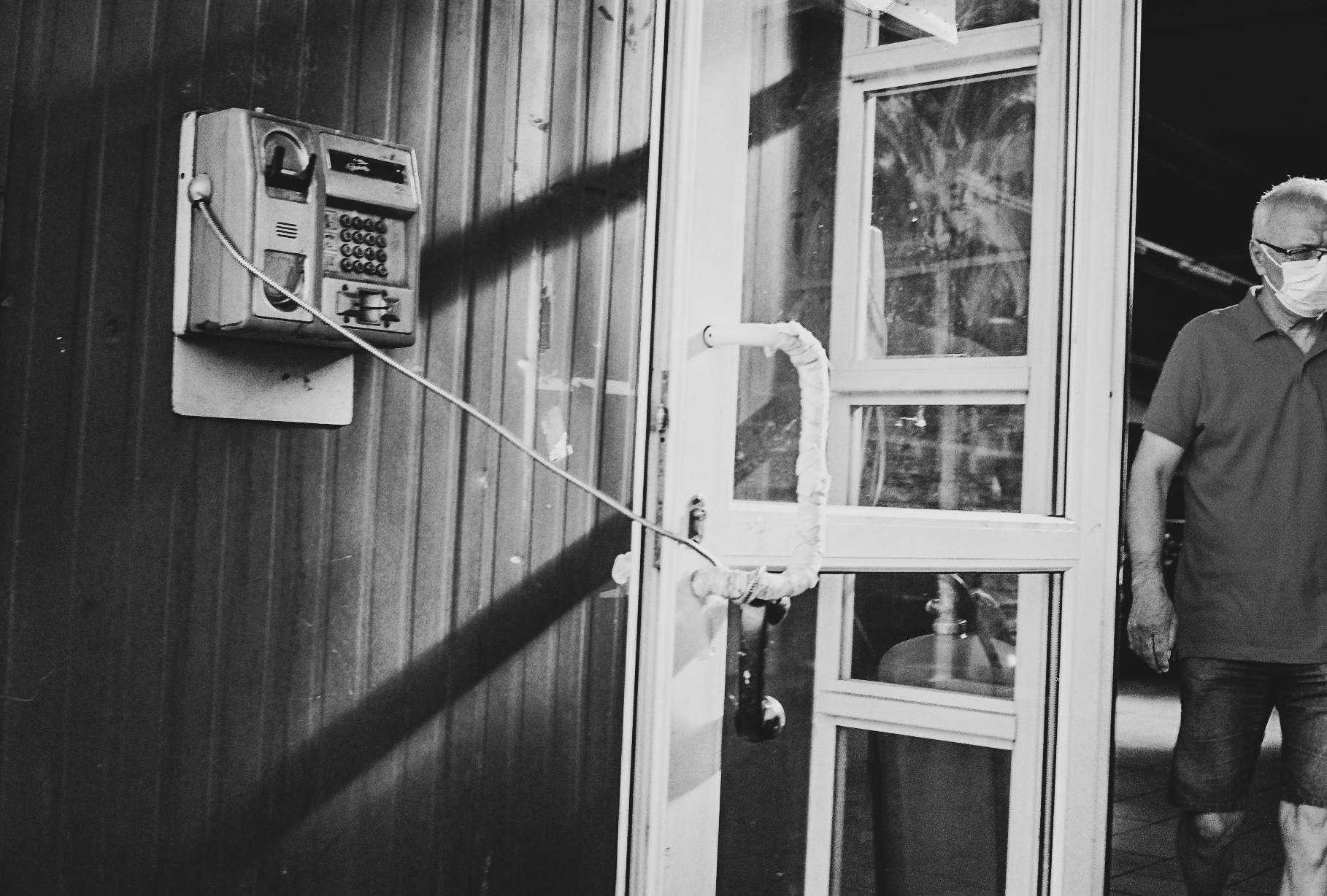
Flea markets and bazaars are true witnesses to the transition. They contain communist-era objects, such as Soviet-made appliances, alongside secondhand clothing imported from the West. This illustrates the overlapping of temporalities and the ambiguities of the postsocialist modernization process.
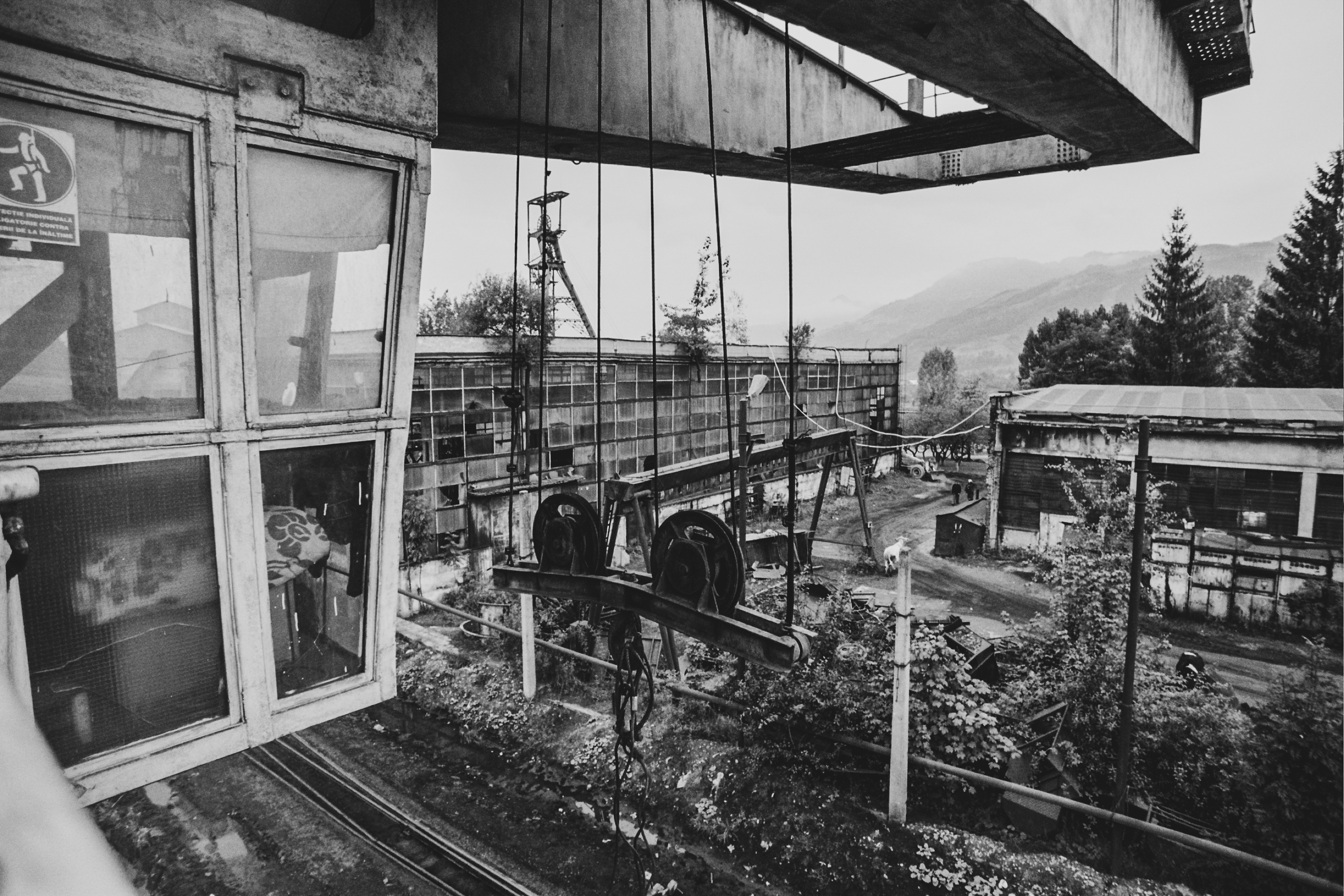
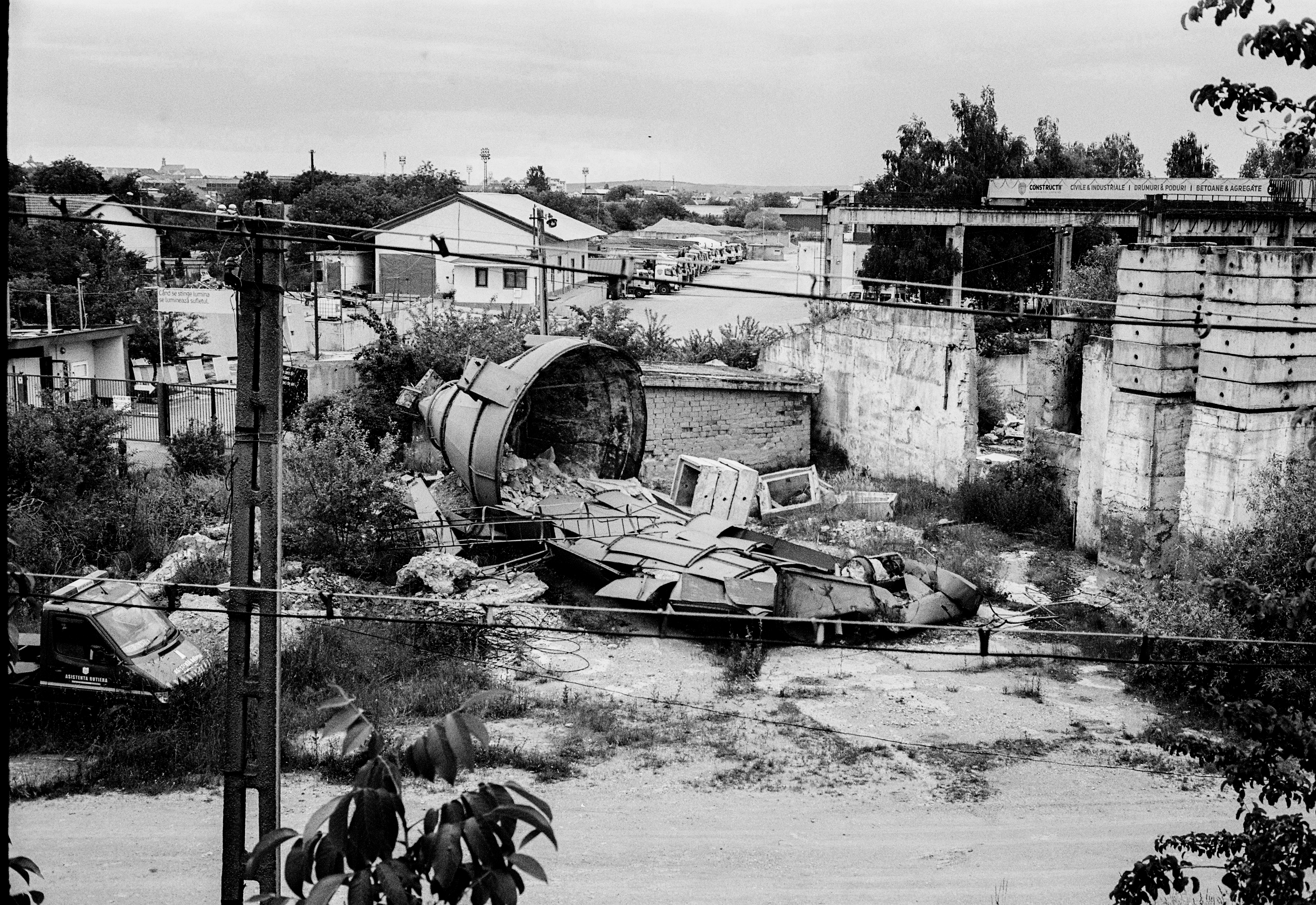
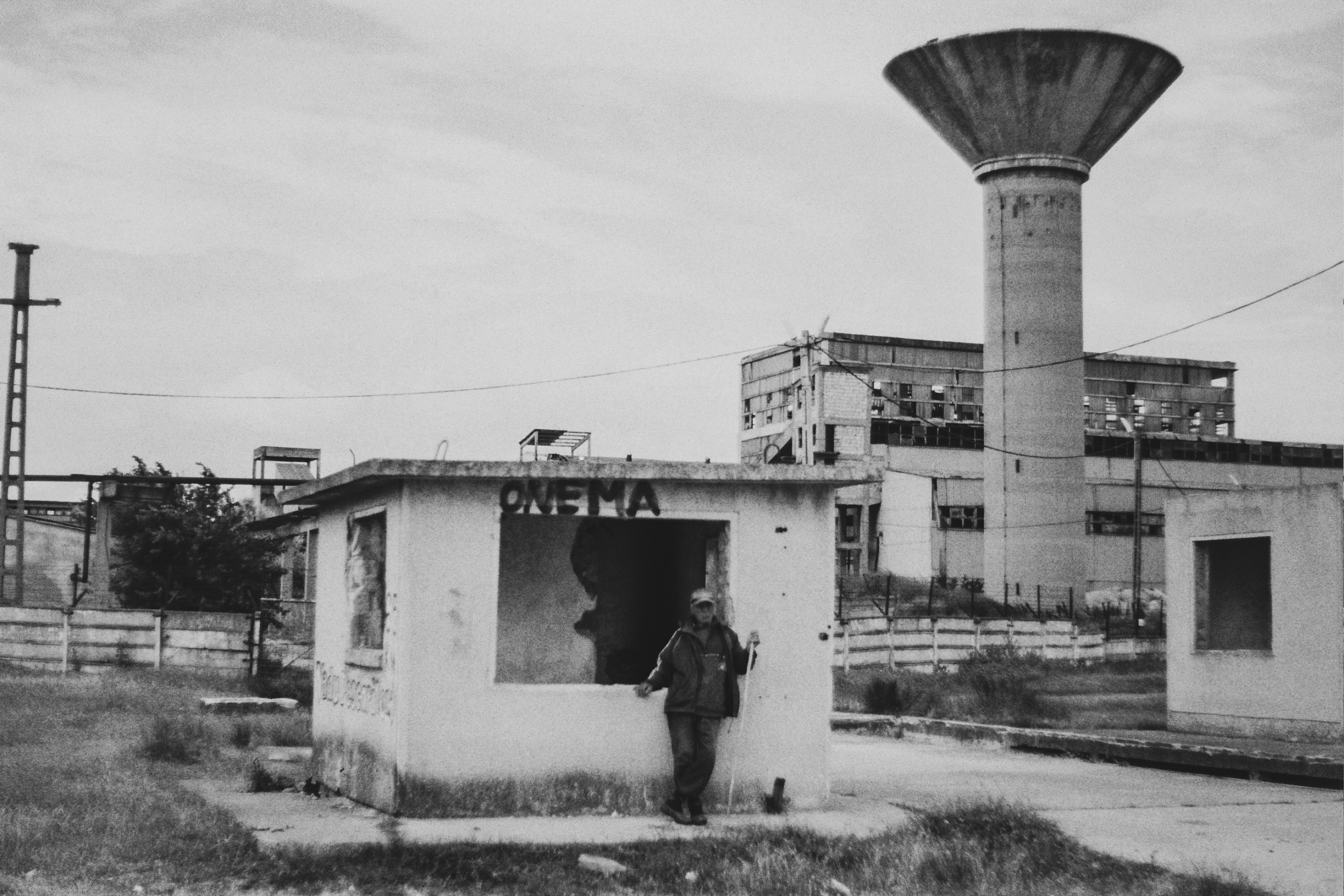
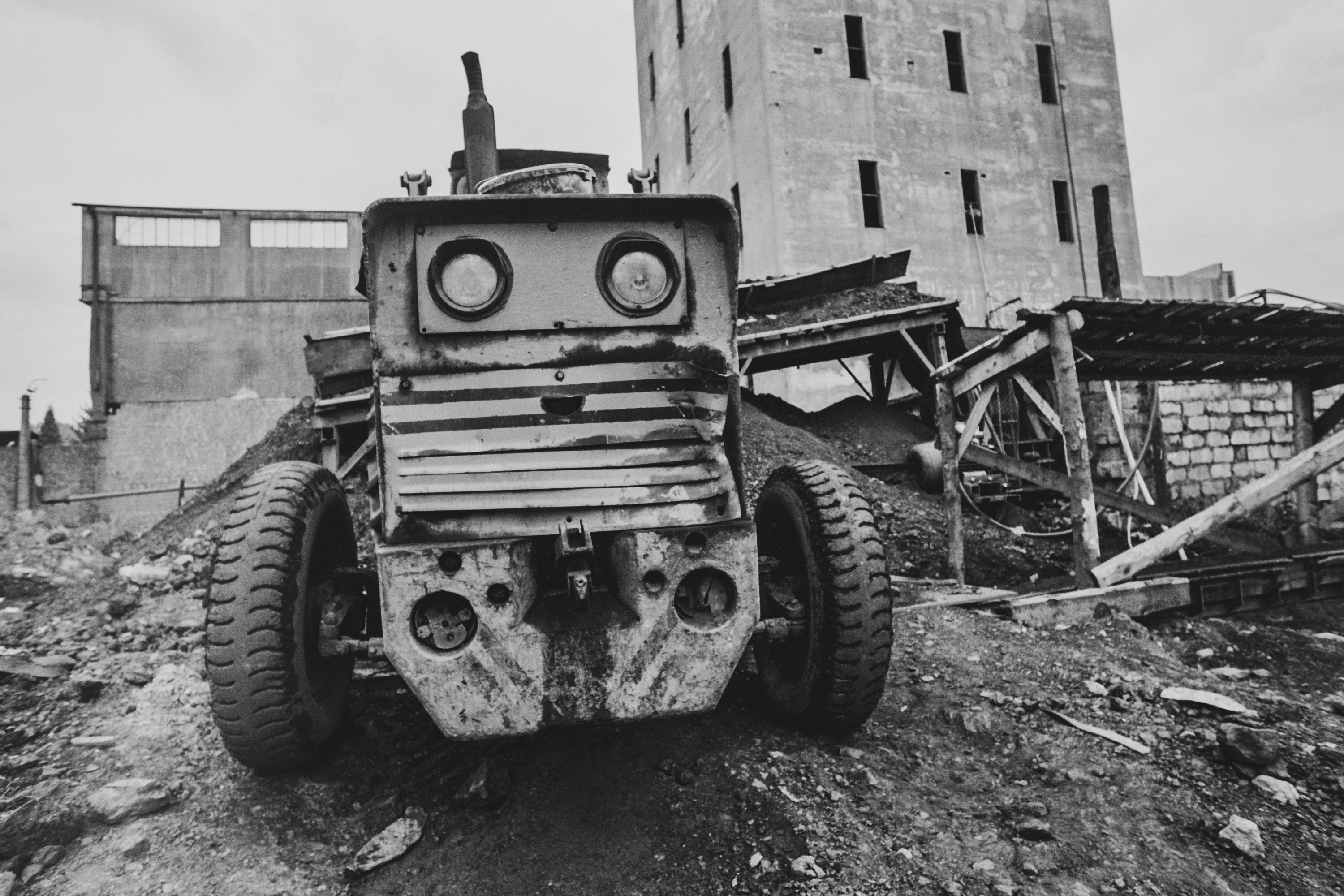
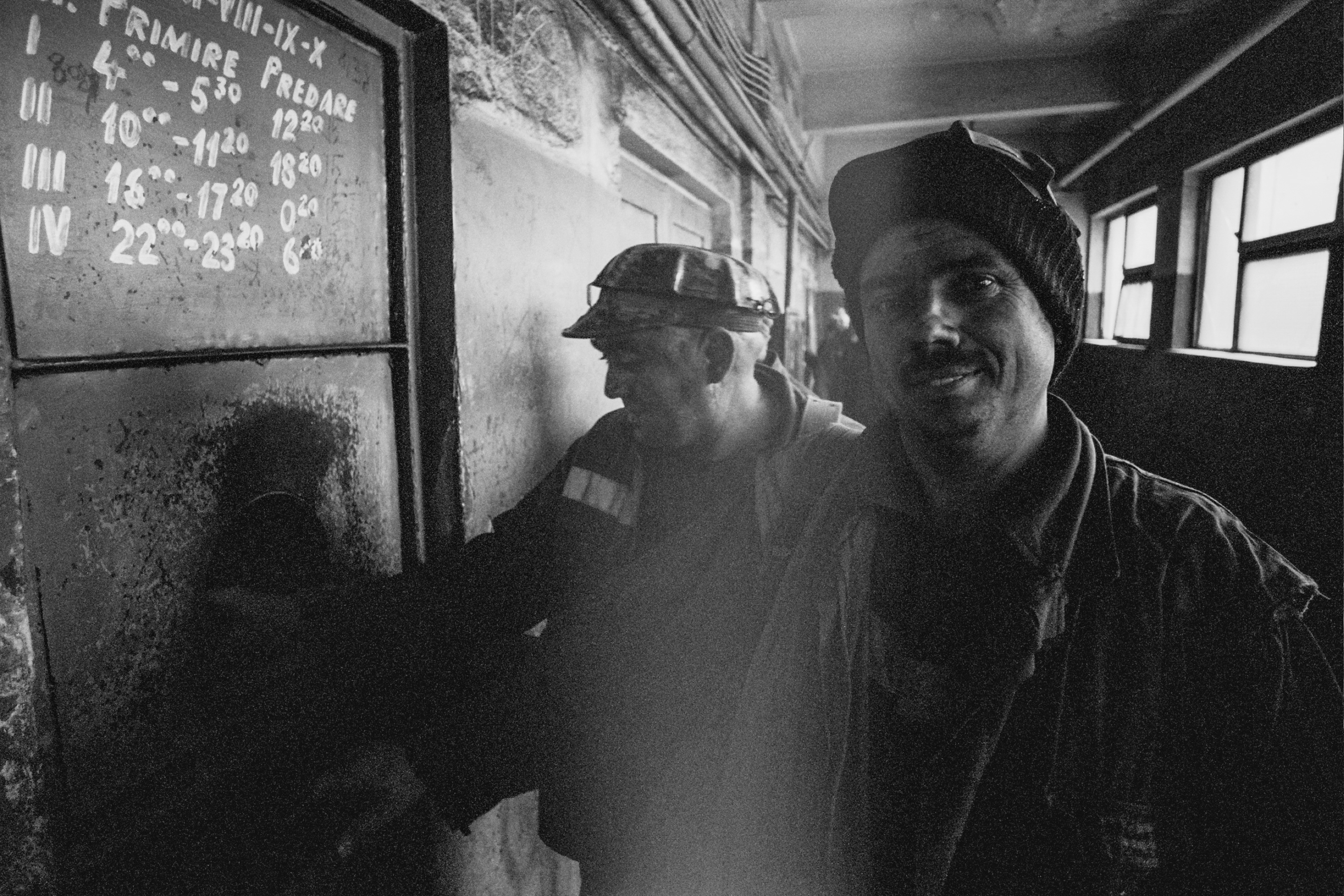
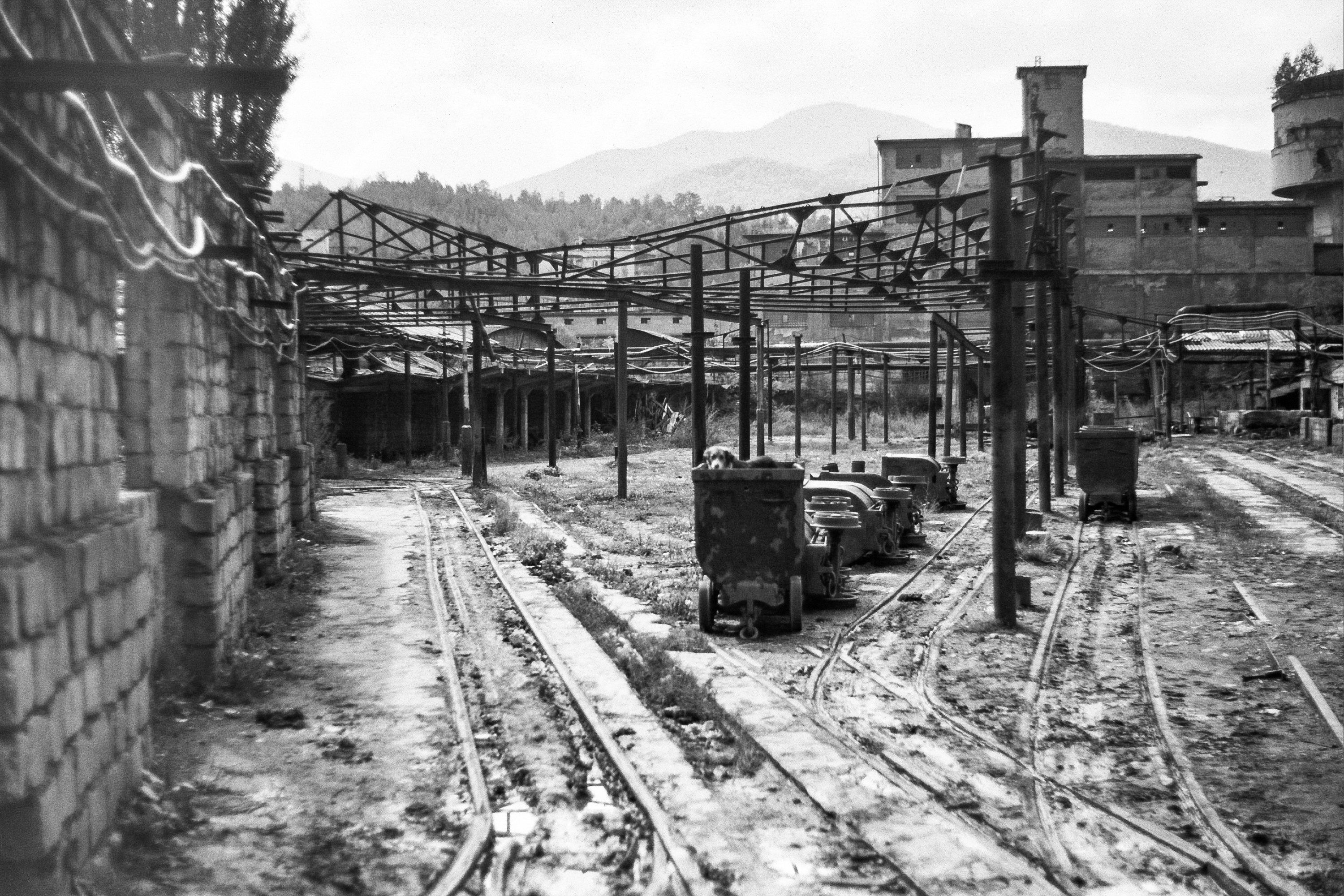
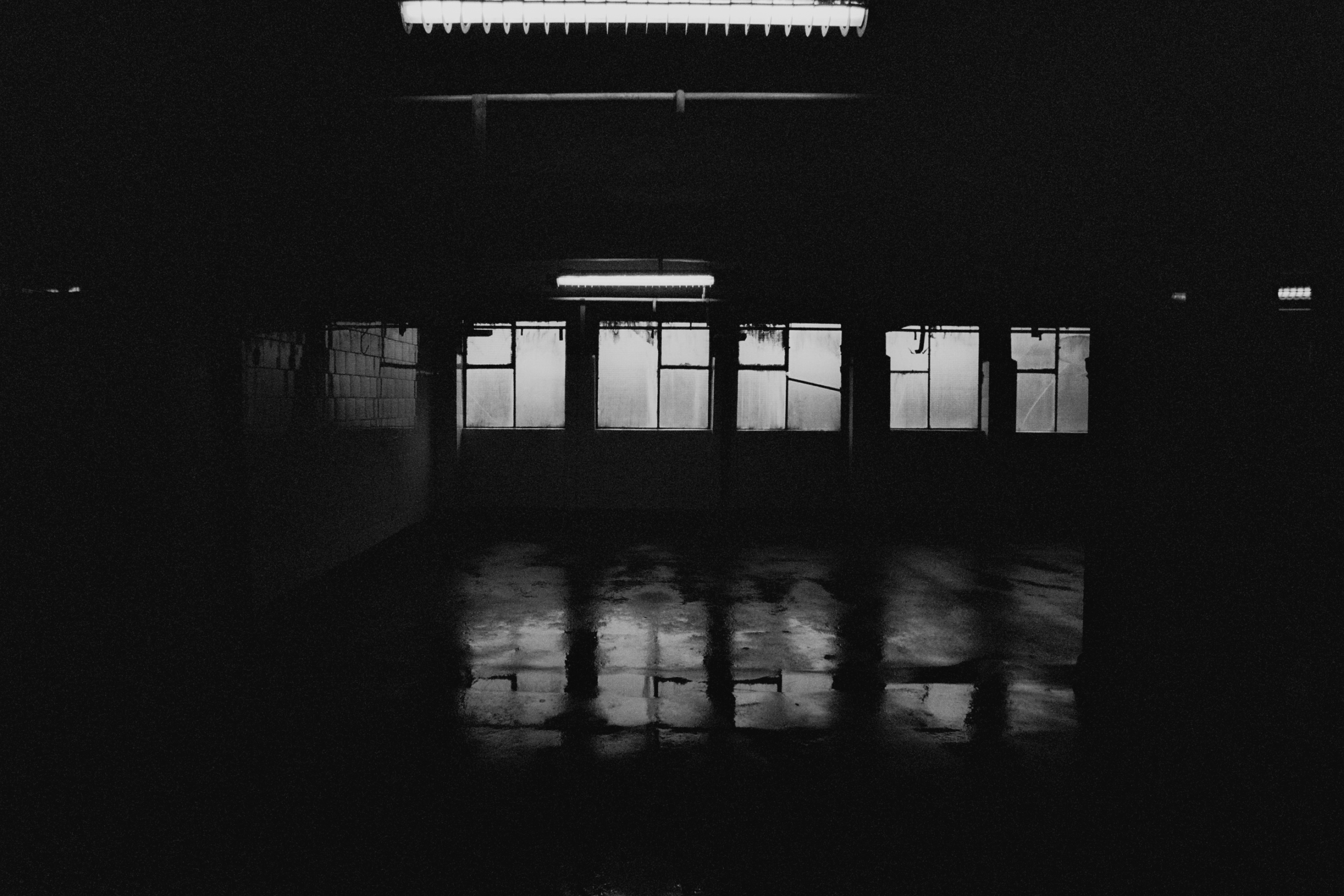
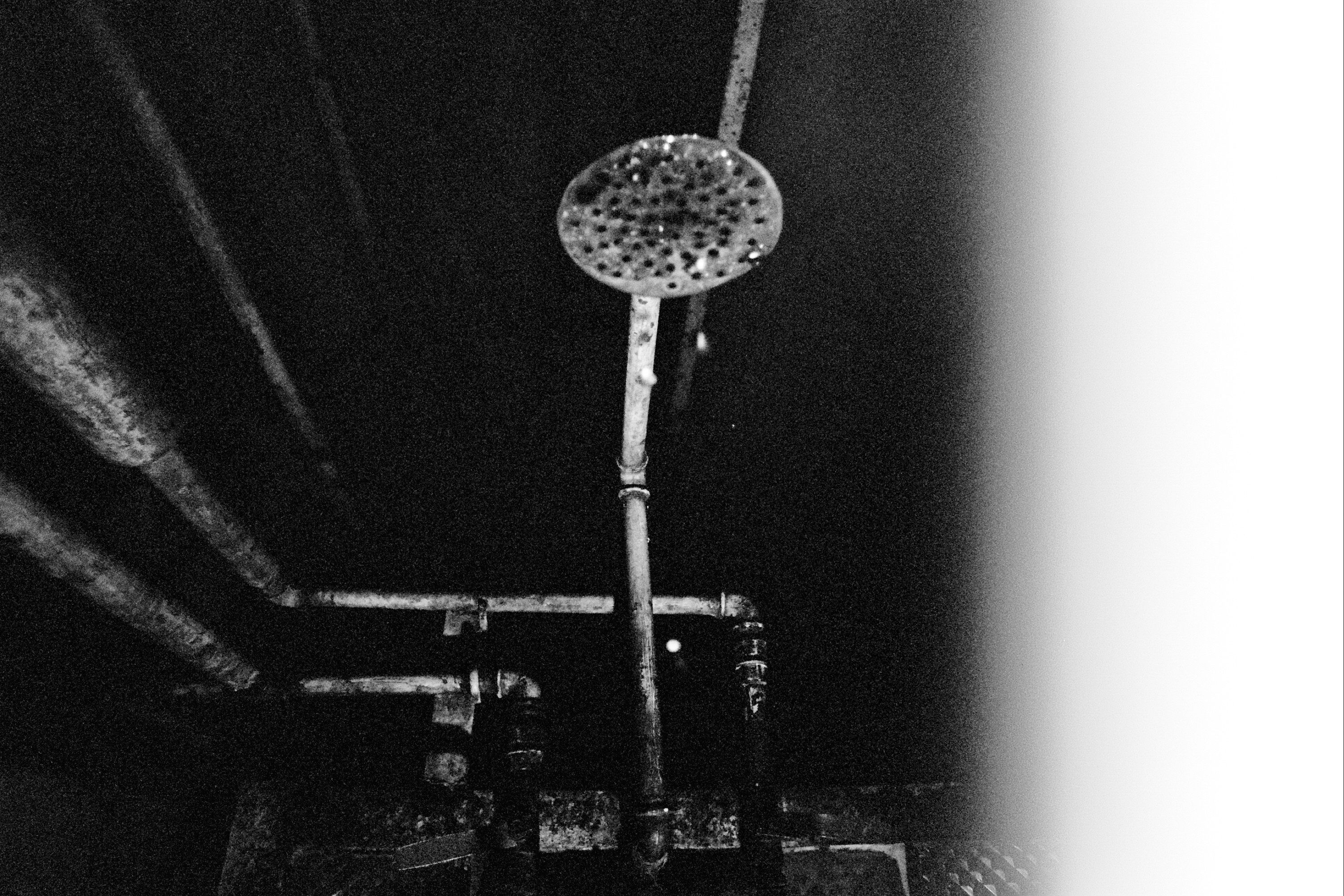
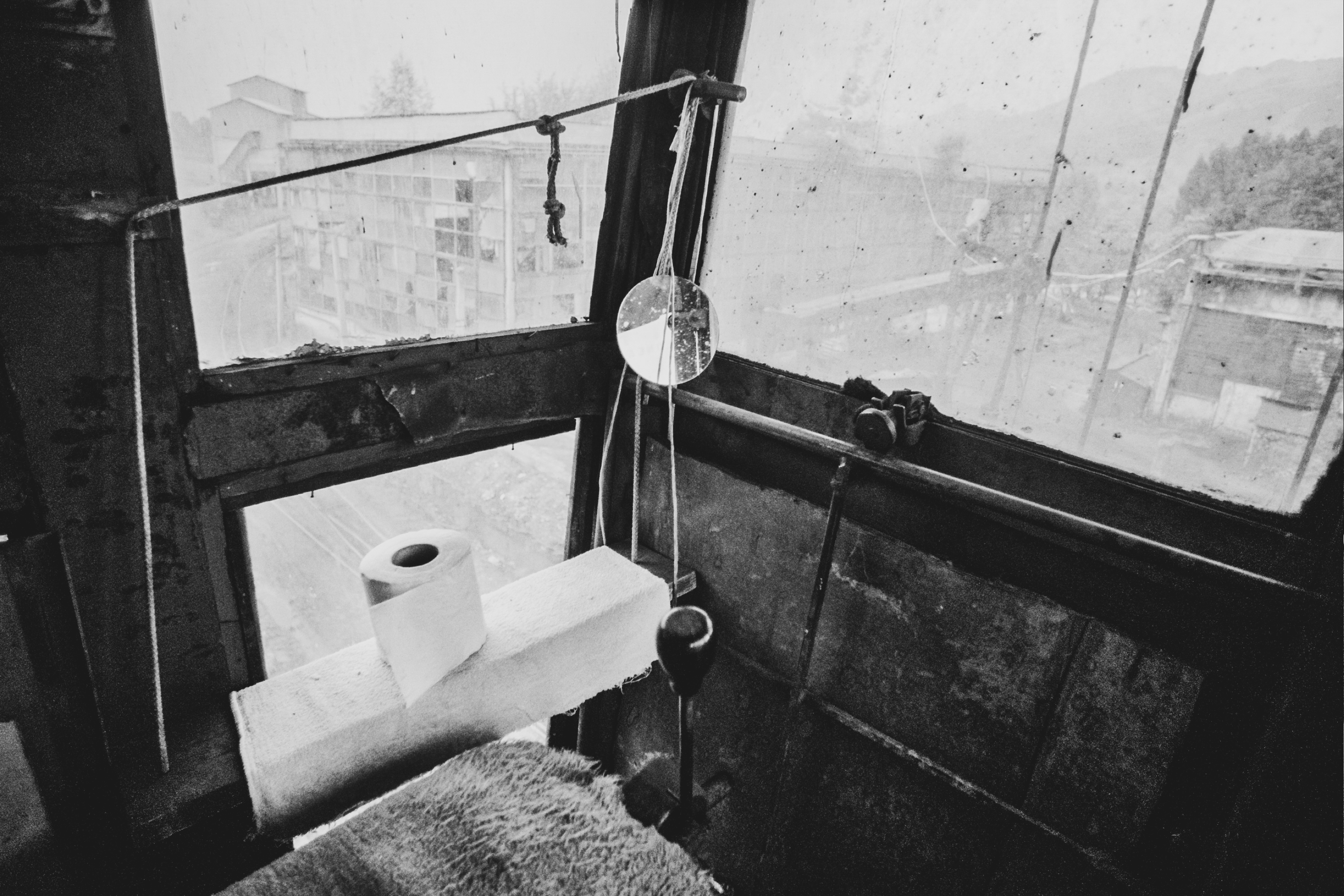
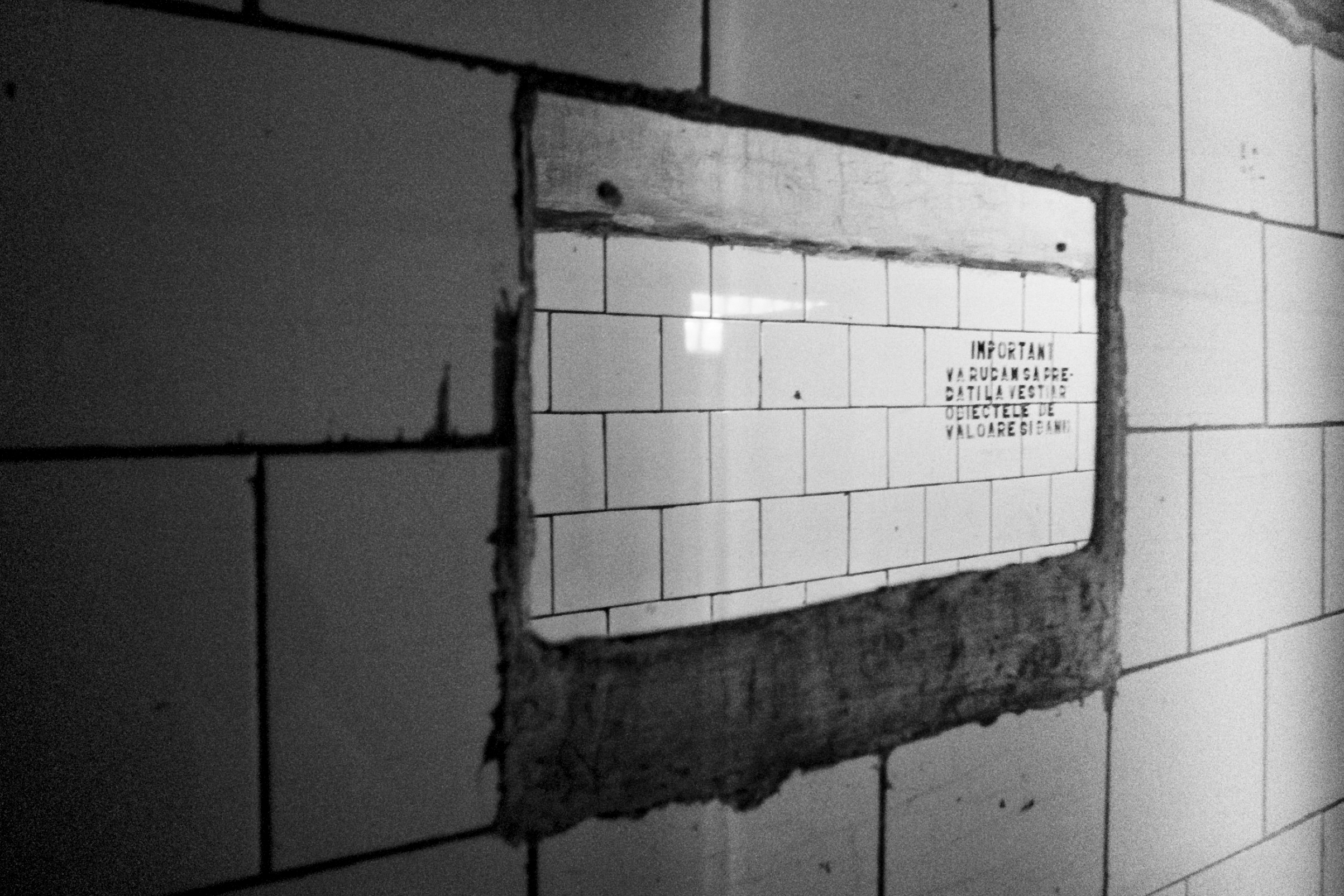
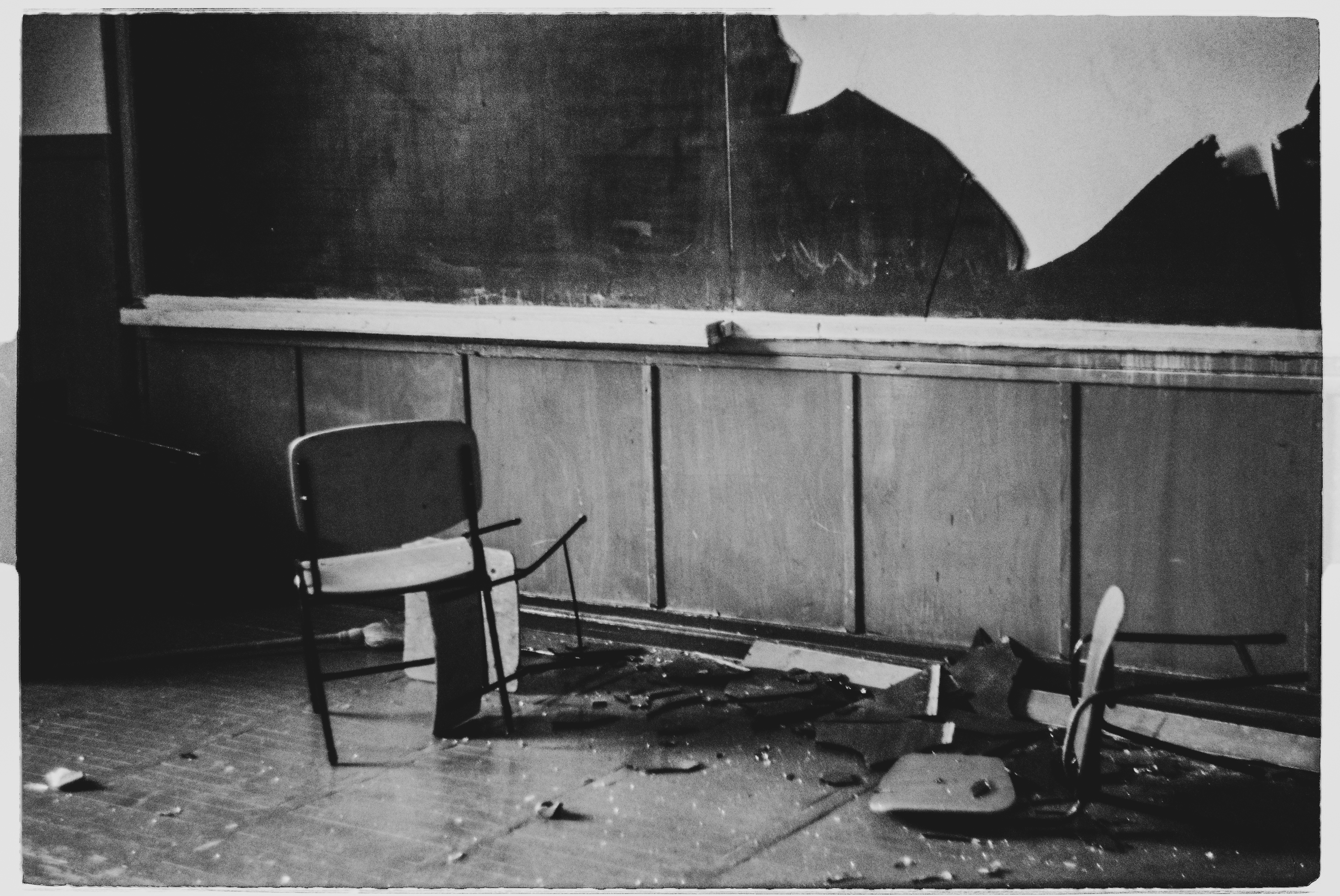
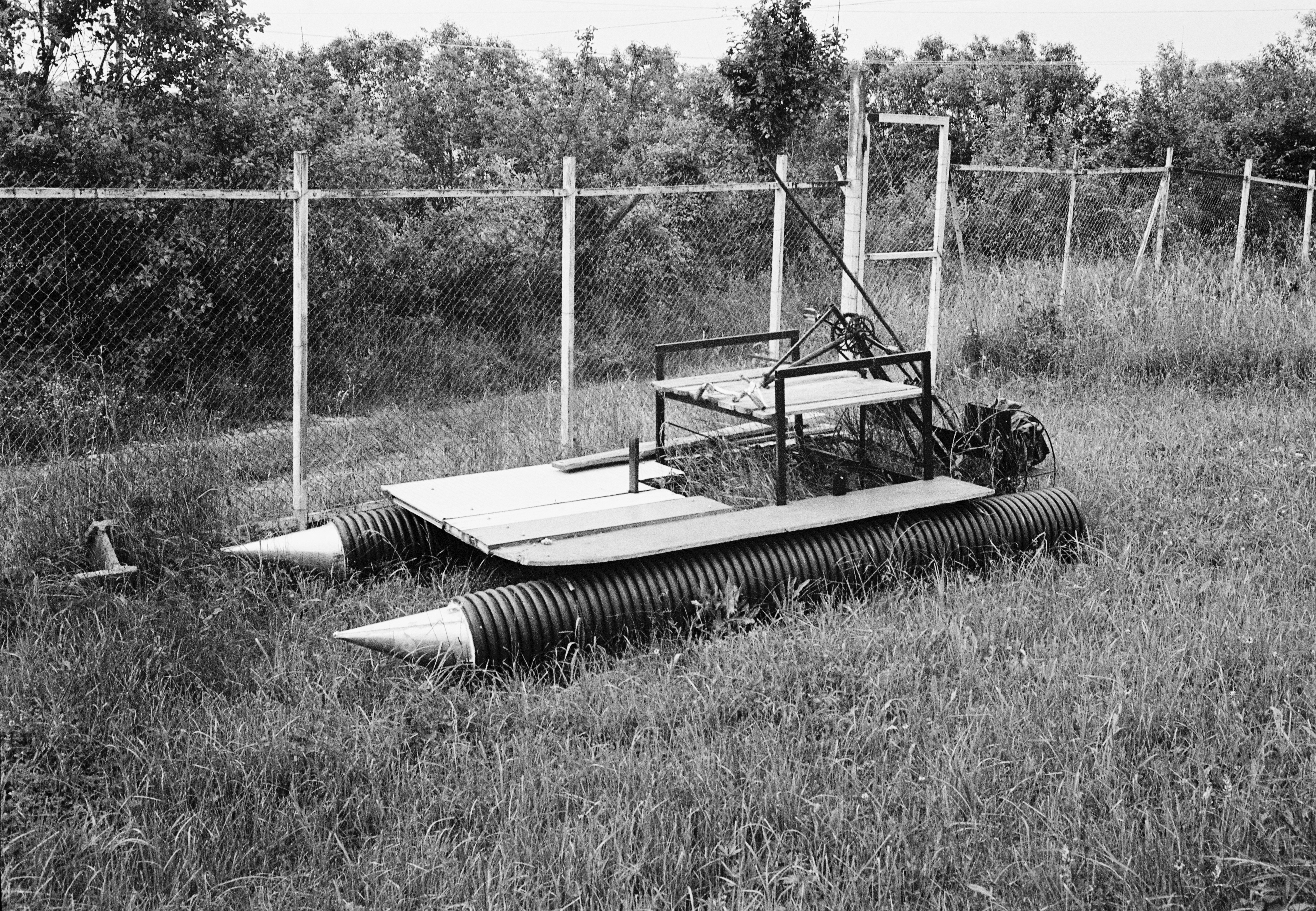
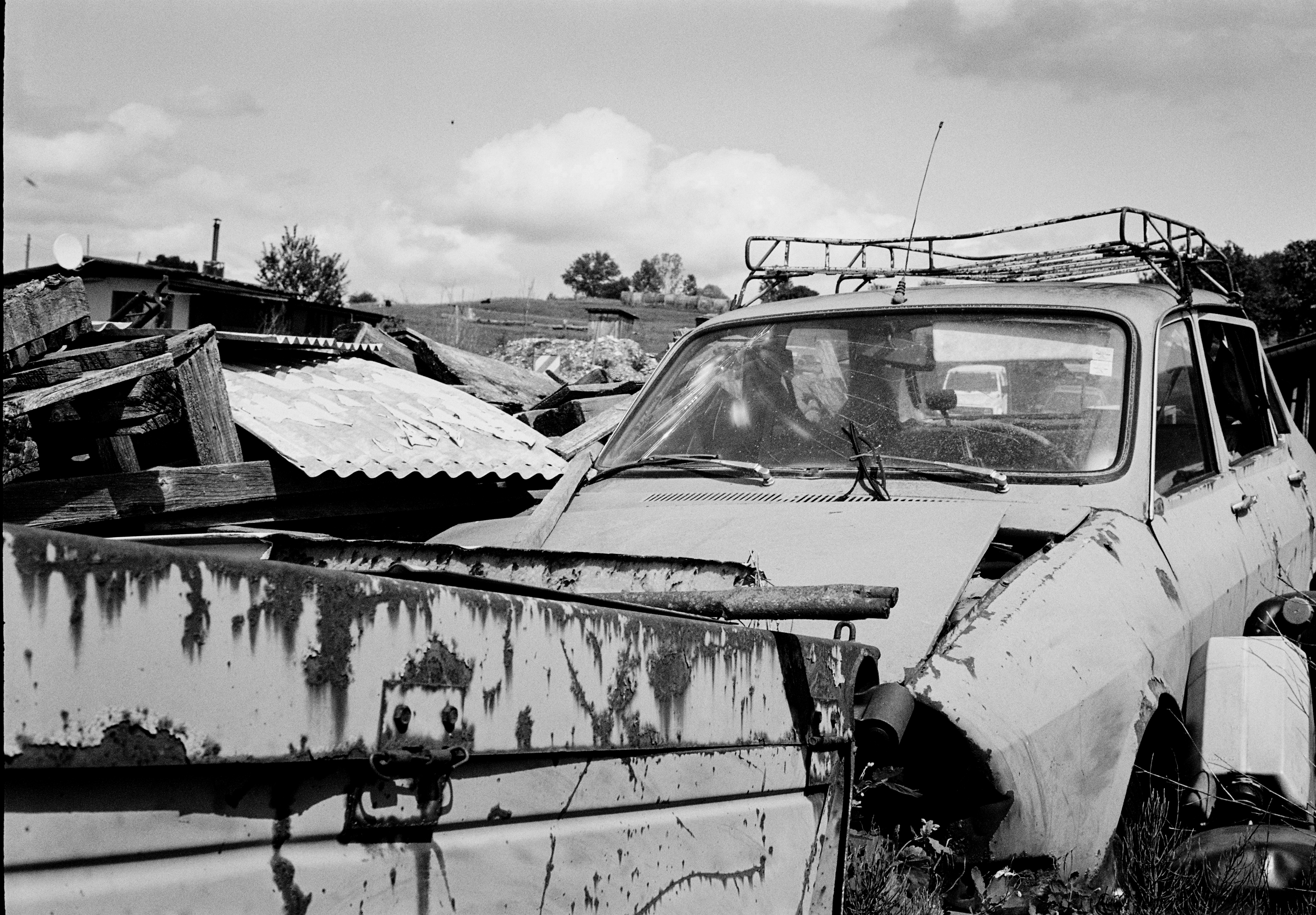
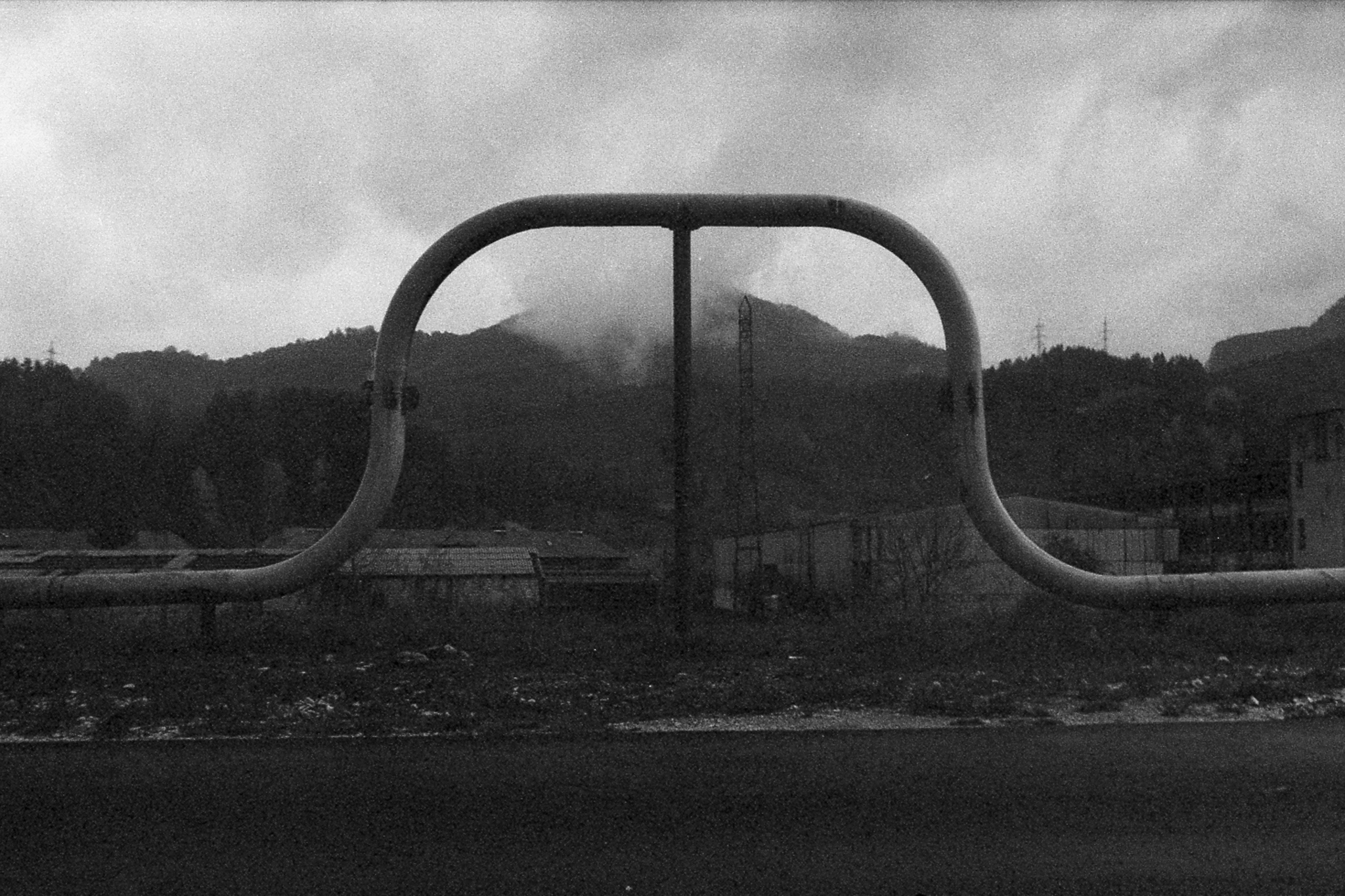
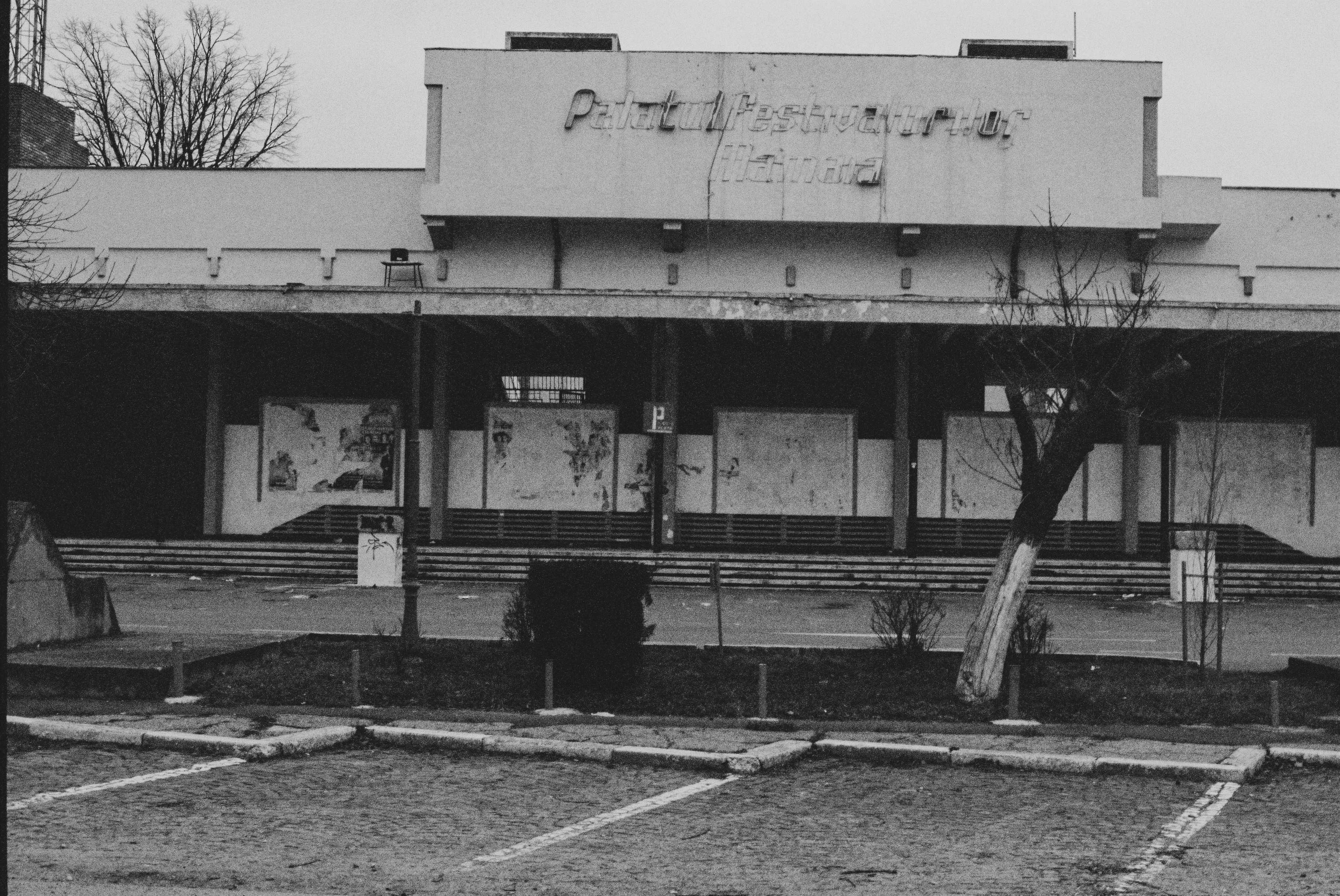
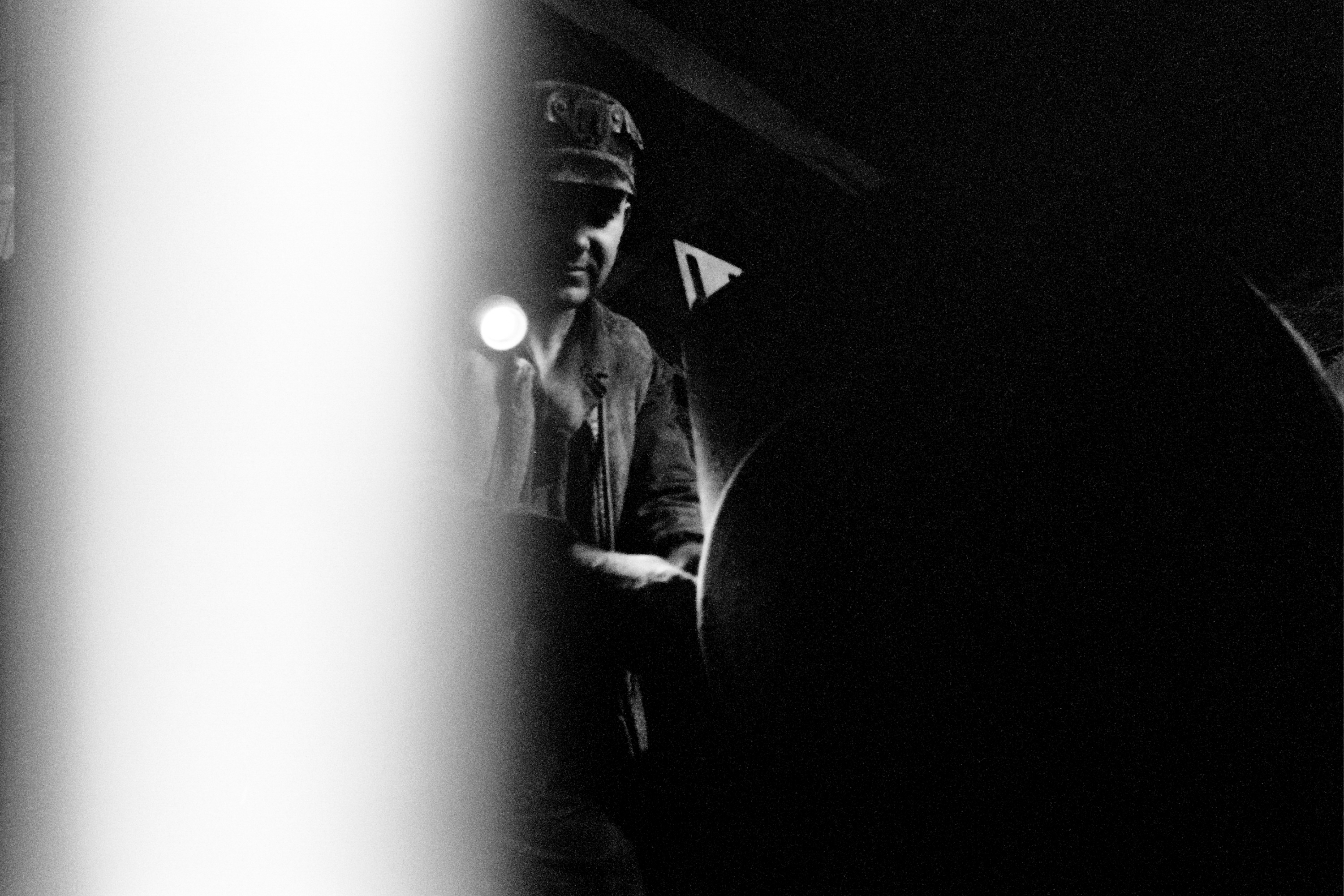
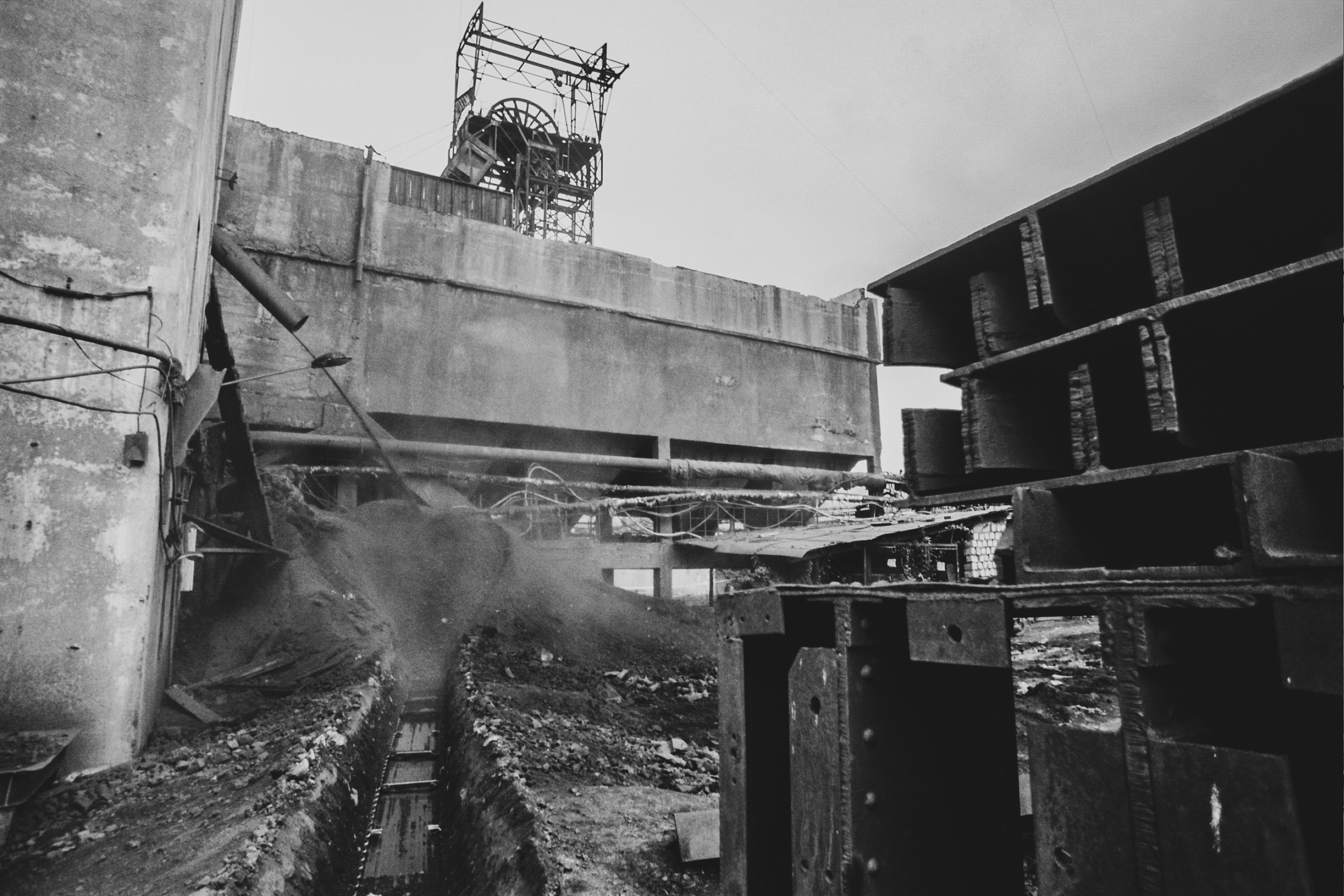
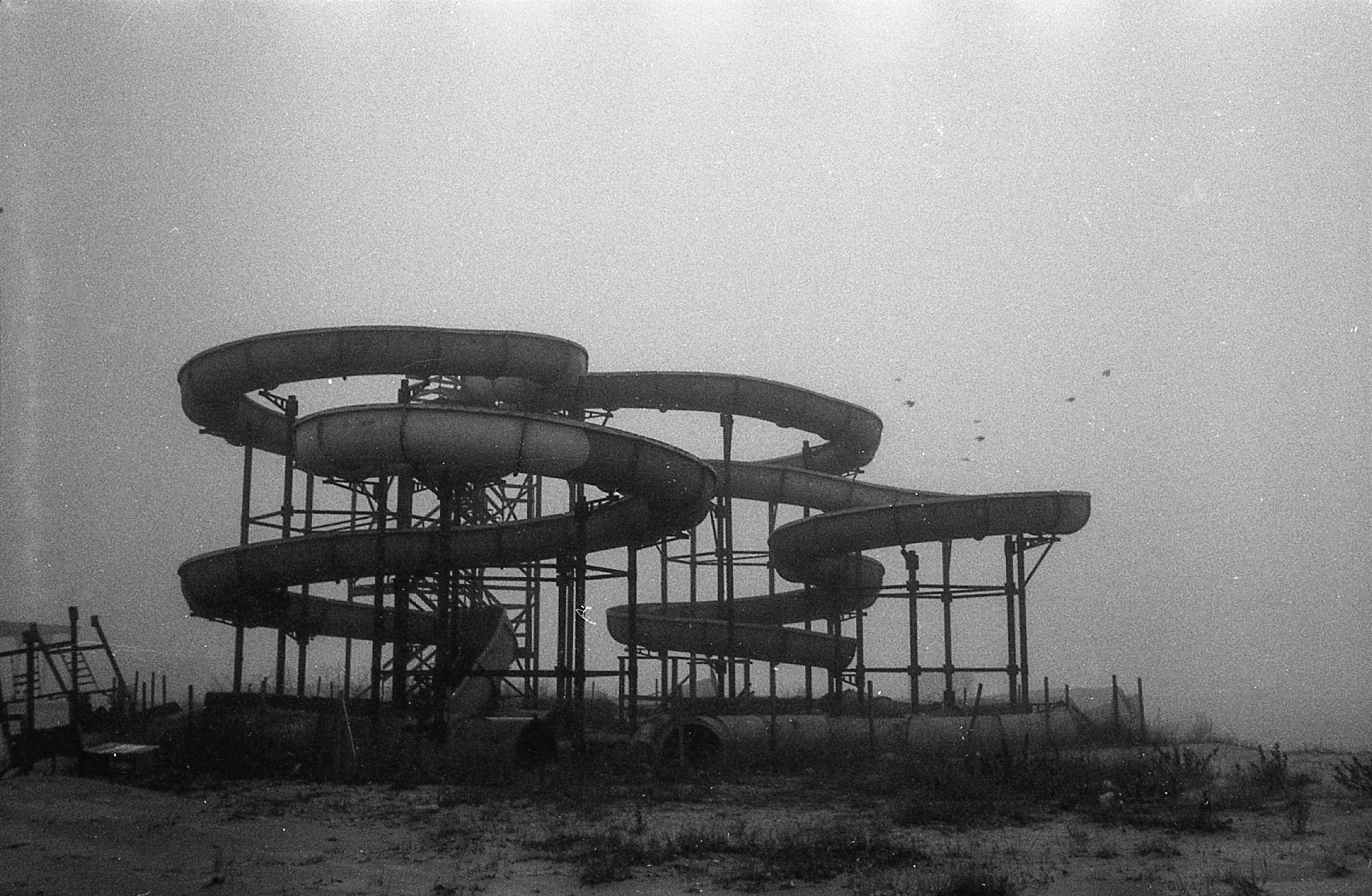
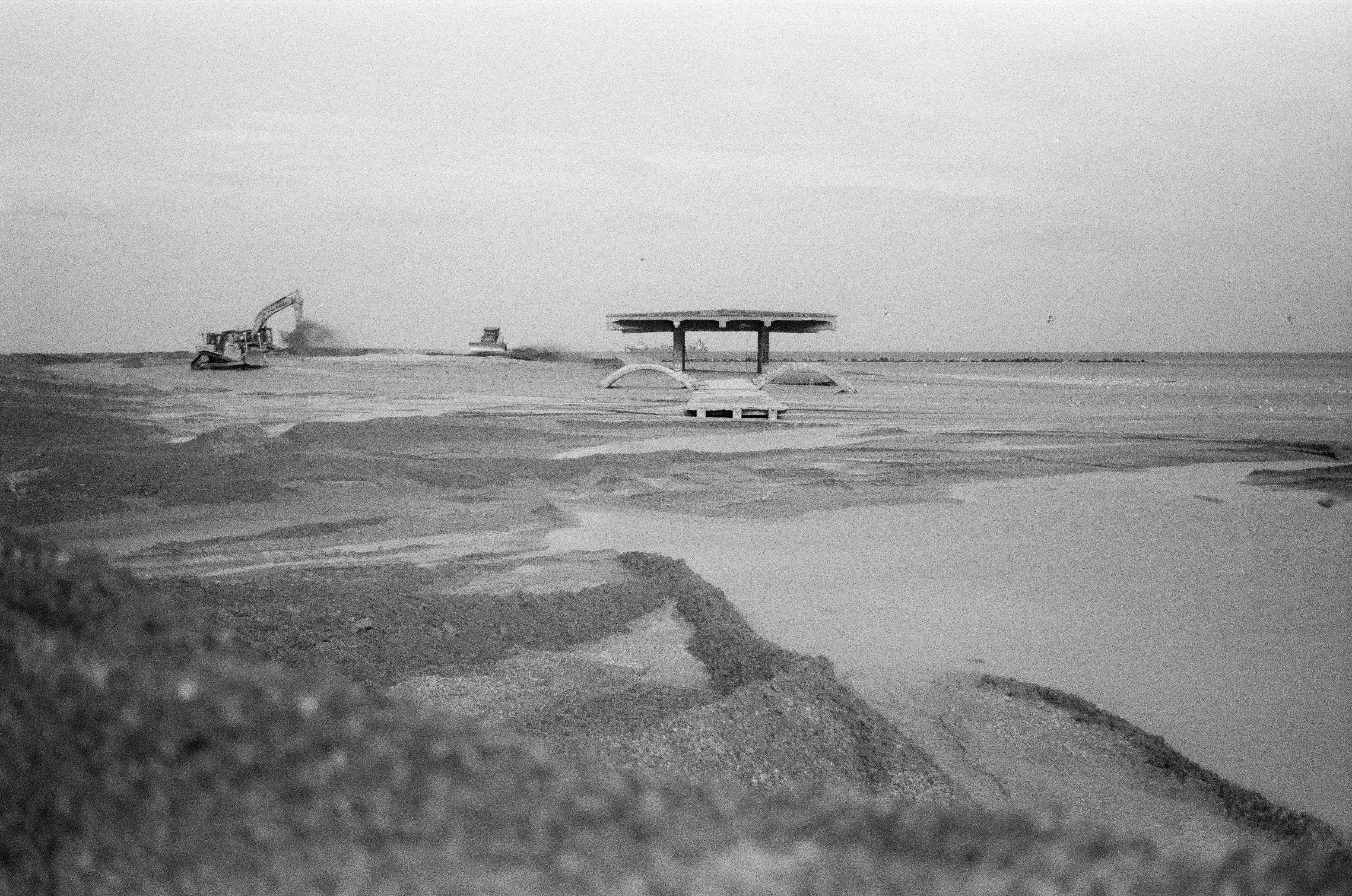
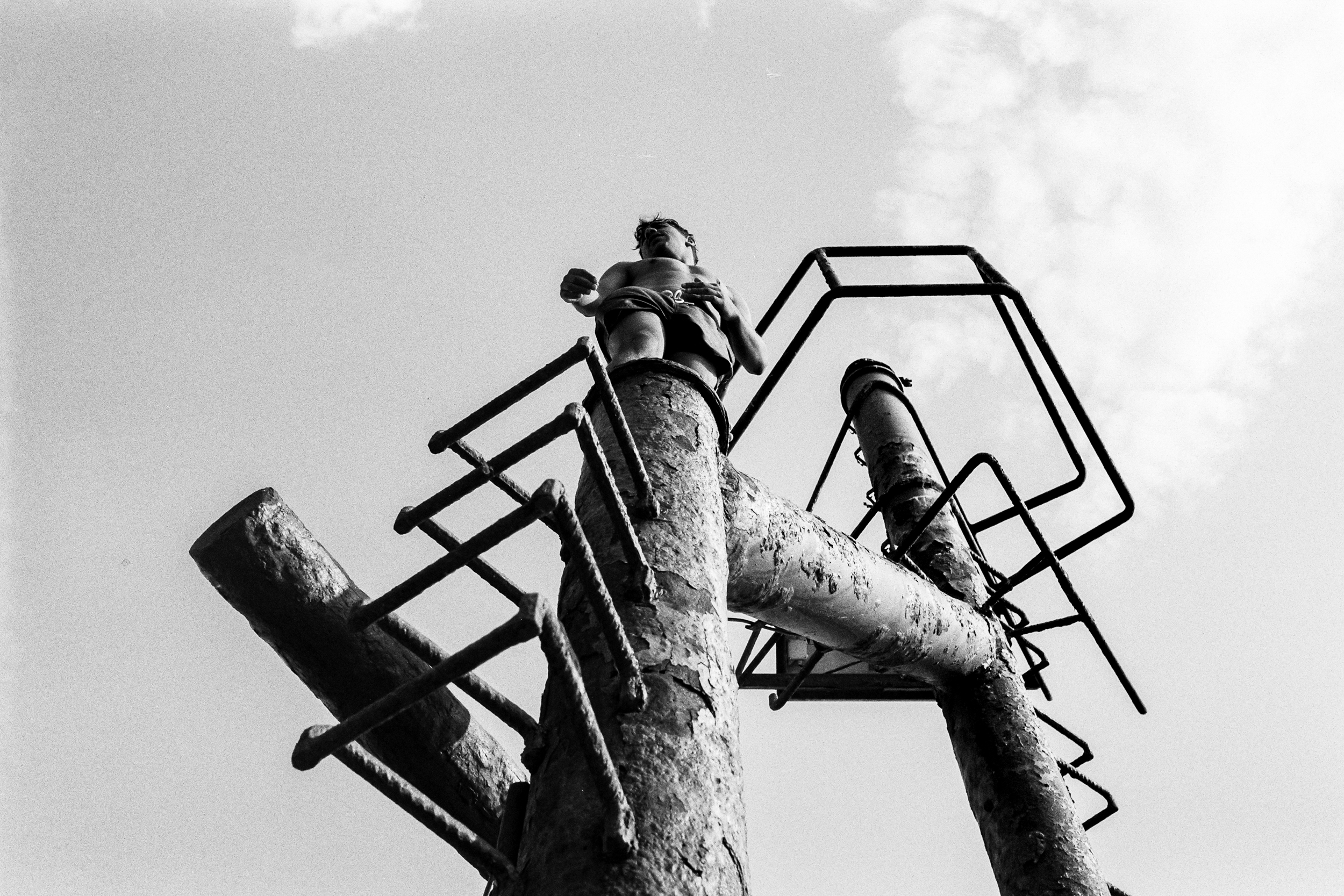
Meanwhile, industrial towns, factories, and mines were slowly declining due to systemic corruption or simply because they were no longer profitable. This, in turn, fueled a massive wave of migration, particularly to Germany, Italy, and Spain. This phenomenon reshaped the social and economic structures of many communities.
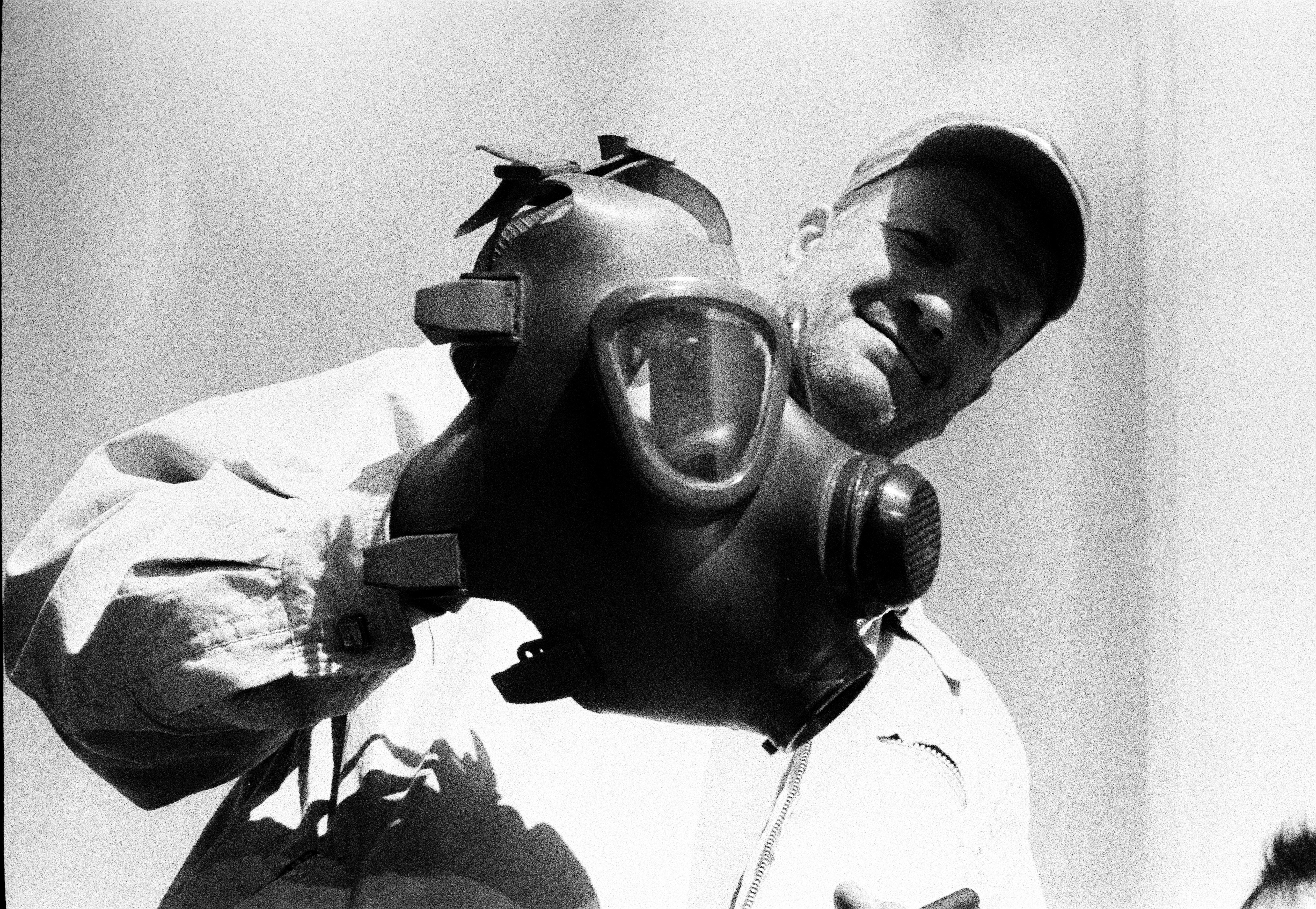
These processes can be situated within a broader Eastern European framework characterized by a shared history influenced by geographical proximity, the fluidity of national borders over time, and ethnic and cultural diversity in certain regions.Against this backdrop, delving into the multifaceted narratives of recent history is paramount, especially in contemporary Romania, where the memory of the past is often exploited for political gain.
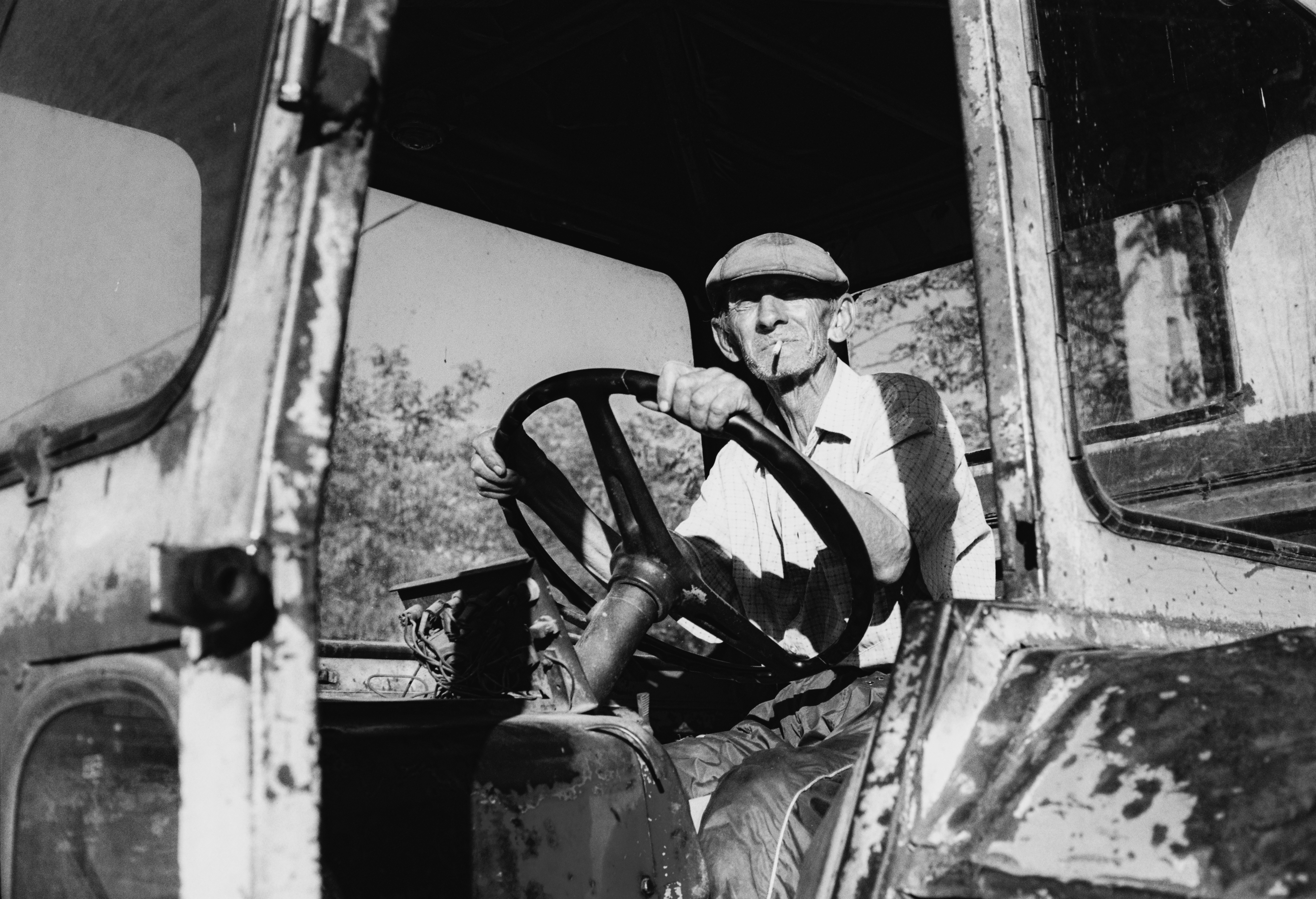
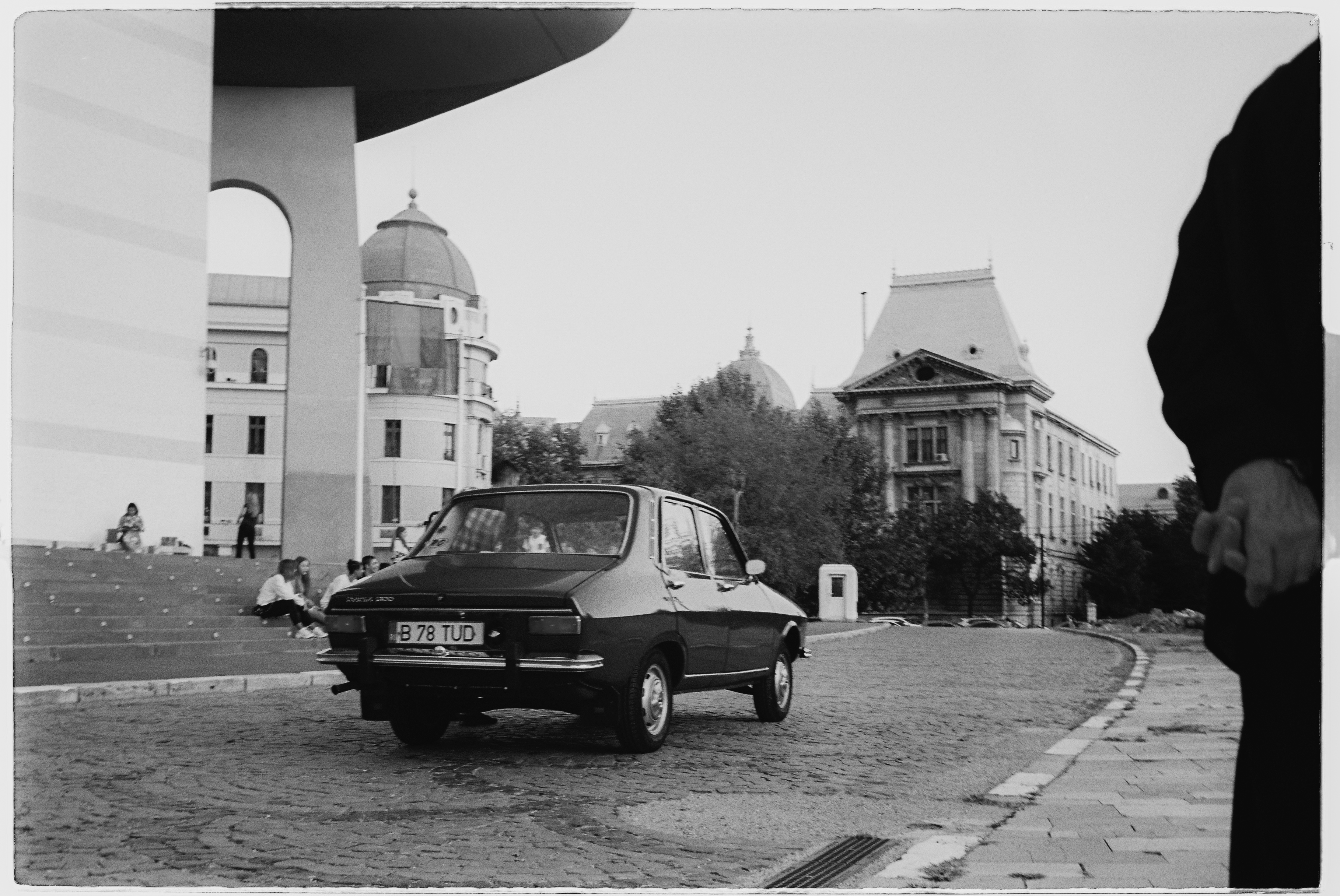
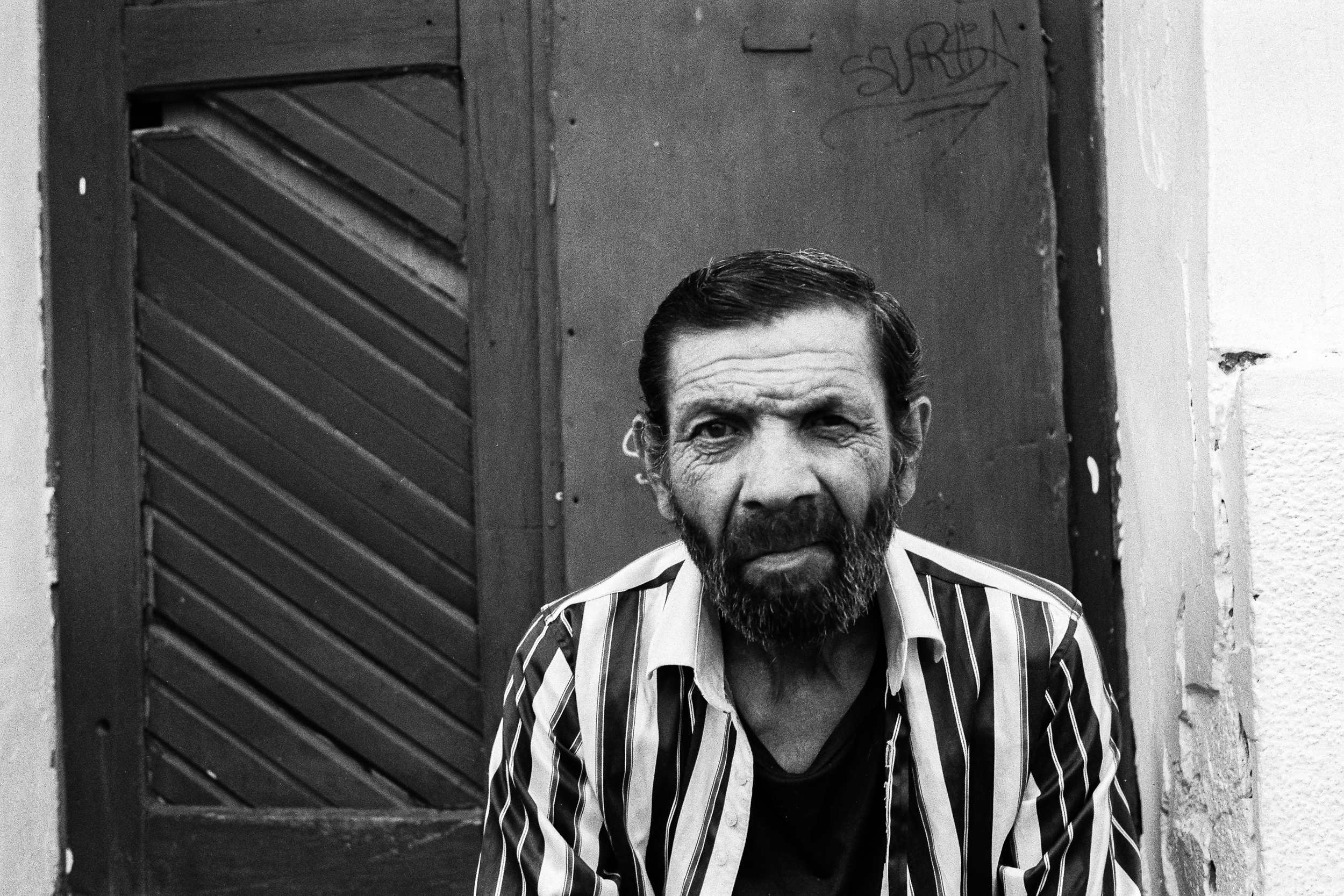
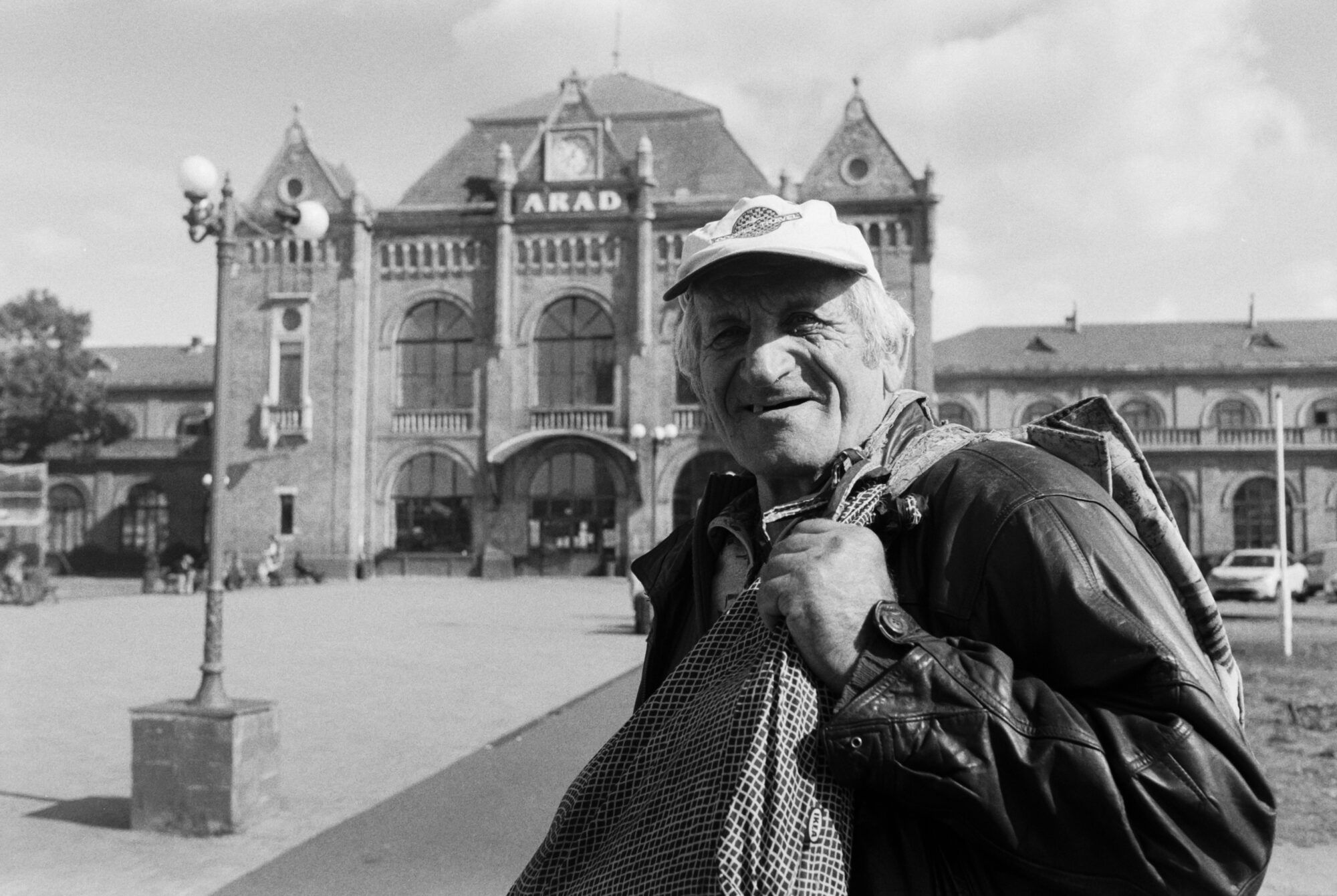
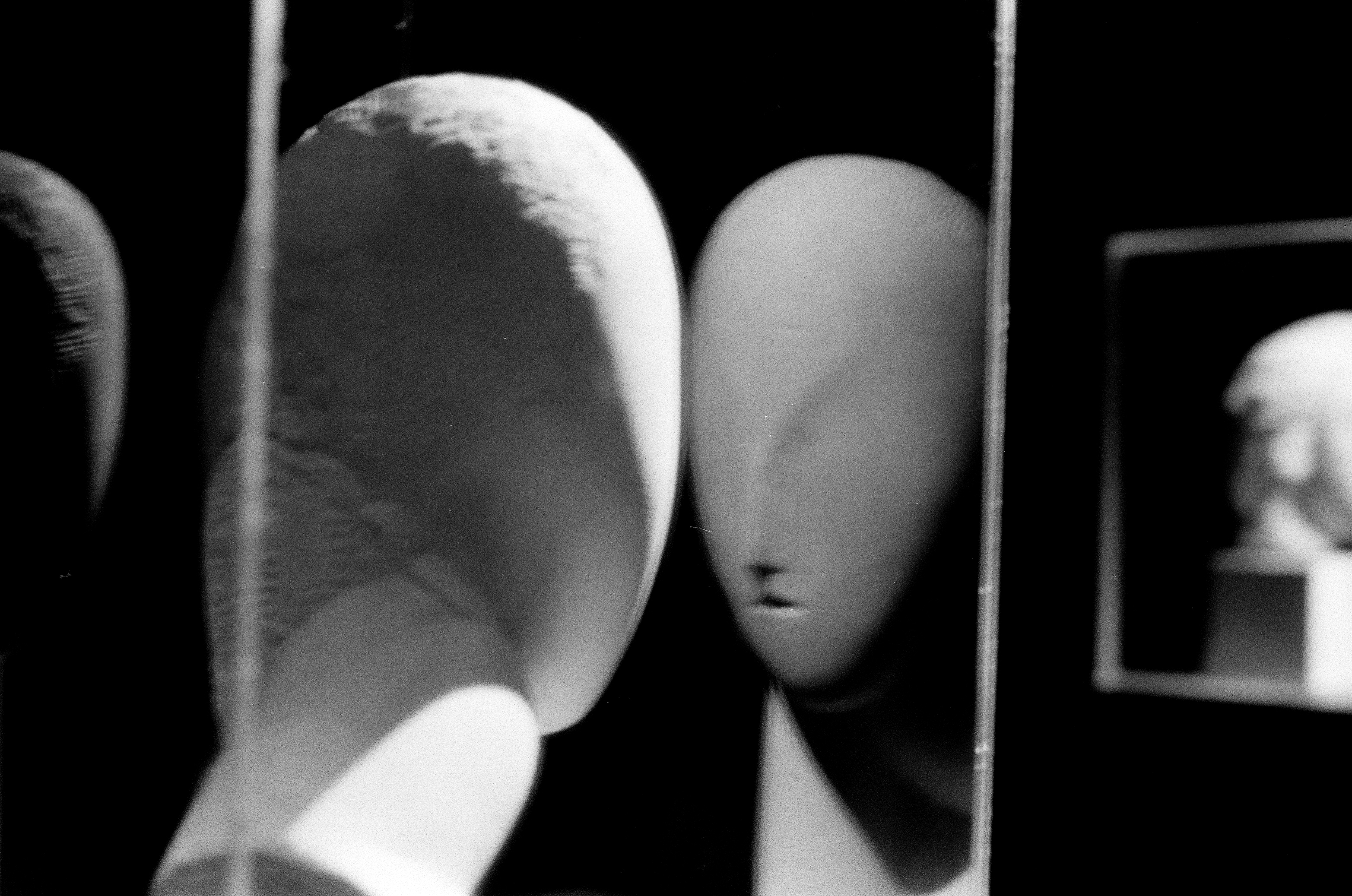
To me, “The Past That Does Not Pass” is more than just a photographic series, it’s also a way of documenting the changes of the last 20 years. With each new edition of this transition, Romania participates with a different team, generating expectations among its citizens.